

Finding a Good Electrician Near You in Sydney — Without the Guesswork
When you search “electrician near me Sydney,” you’re usually dealing with something that needs fixing today — a tripped circuit, a power point that’s stopped working, a ceiling fan installation, or something more significant like a switchboard upgrade. Choosing the right licensed electrician matters: electrical work in NSW must be performed by a licenced tradesperson, and poor-quality electrical work creates real safety and insurance risks. This guide helps you find a reliable local sparky, understand what jobs cost in 2026, and know when a problem genuinely needs a same-day call versus a booked appointment.
NSW Electrical Licensing — What You Need to Know
All electrical work in NSW must be performed by a person holding the appropriate licence under the Home Building Act 1989 and the Electricity (Consumer Safety) Act 2004. An Electrical Contractor Licence is required for businesses offering electrical services; individual tradespersons must hold an Electrician’s Licence (or be supervised by one).
You can verify any electrician’s licence number through the NSW Fair Trading licence check tool. A legitimate electrician will provide their licence number without hesitation — if they resist or can’t produce it, find someone else.
After completing any regulated electrical work, a licenced electrician in NSW must provide a Certificate of Compliance — Electrical Work (CCEW). This document confirms the work was completed safely and to the required standard. Keep all CCEWs — you’ll need them if you ever sell the property or make an insurance claim related to electrical faults.
Work That Requires a Licensed Electrician in NSW
- Installing, replacing, or repairing power points (GPOs)
- Installing light fixtures, ceiling fans, or exhaust fans
- Adding circuits or extending wiring
- Switchboard upgrades or safety switch (RCD) installation
- Installing or connecting electric hot water systems
- Installing air conditioning systems
- Any work inside a meter box or switchboard
- Underground cable installation
Common Electrical Jobs Sydney Homeowners Request
Power Point Installation and Replacement
Installing additional power points or replacing old single-outlet GPOs with modern double or USB-outlet versions is one of the most requested jobs in Sydney homes. In older homes with original wiring, a licenced electrician will also check the circuit condition before adding load — overloaded circuits on ageing wiring are a fire risk.
Safety Switch and RCD Installation
Under current NSW regulations, all new residential electrical work must be protected by safety switches (Residual Current Devices or RCDs). Many older Sydney homes — particularly those built before 2000 — have switchboards without RCDs on lighting or power circuits. Installing safety switches is one of the single most important electrical upgrades for home safety, and it’s not expensive relative to the protection it provides.
Switchboard Upgrades
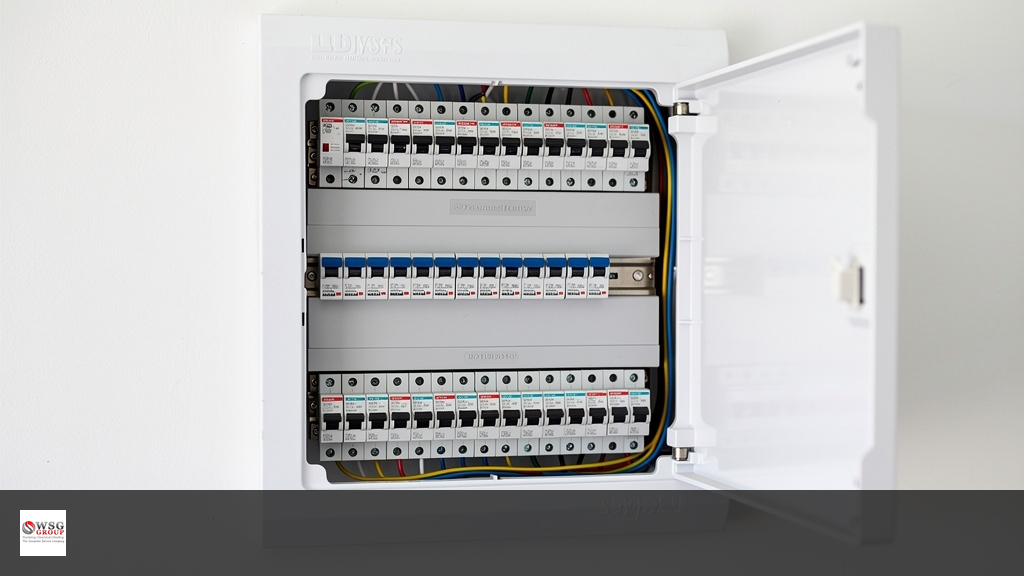
Original ceramic fuse-based switchboards found in many Sydney homes built before 1980 are overdue for replacement. Modern switchboards use circuit breakers and RCDs, provide better fault protection, and can accommodate the electrical load of modern appliances and EV chargers. A switchboard upgrade typically takes a full day’s work. Our dedicated switchboard upgrade guide covers costs, what’s included, and what to expect on installation day.
Ceiling Fan and Light Installation
Ceiling fan installation requires connection to the ceiling rose wiring — this is regulated electrical work and cannot be done by a homeowner. In older Sydney homes where the ceiling rose has only two conductors (no earth), an electrician must install an earth before fitting a modern fan. This is common in homes built before the 1960s and adds a small amount to the installation cost.
Air Conditioning Electrical Connection
Split-system air conditioners require a dedicated circuit from the switchboard. The installation involves both the licensed electrician (wiring the circuit and making connections) and the refrigeration mechanic (handling the refrigerant and mounting the unit). Always confirm both sides of the installation are licenced — some companies use unlicensed installers for the refrigerant work and this creates warranty and insurance issues.
Hot Water System Electrical Connection
Electric hot water storage tanks run on a dedicated circuit — usually off-peak where available. When replacing an old tank, the electrician must confirm the existing circuit is rated correctly for the new unit and that the connections are in good condition. Our hot water system replacement guide explains the full scope of electrical and plumbing work involved.
Electrician Costs in Sydney (2026)
Sydney electrician rates have increased in 2025–2026 alongside broader construction cost pressures. Below are typical market-rate costs for common residential electrical jobs.
| Job Type | Typical Cost (Sydney) | Notes |
|---|---|---|
| Callout / Service Fee | $80–$150 | Standard business hours |
| Power point installation (single) | $150–$300 | Per outlet, existing circuit |
| Safety switch (RCD) installation | $200–$400 | Per switch fitted to switchboard |
| Switchboard upgrade | $1,500–$3,500 | Full replacement, modern panel |
| Ceiling fan installation | $180–$350 | Per fan, existing wiring |
| Light fitting replacement | $120–$250 | Per fitting, standard height |
| New circuit installation | $400–$900 | Dedicated circuit to switchboard |
| Fault finding and diagnosis | $150–$300 | First hour; plus repair costs |
Typical costs for the Sydney metro area. Service fees vary between providers — always confirm pricing before booking.
After-hours and emergency callouts attract a higher rate, typically $180–$350 for the callout alone plus an elevated hourly rate of $200–$350/hr. Where possible, book non-urgent electrical work during standard business hours (Monday–Friday, 7am–5pm) to keep costs down.
How to Find a Reliable Electrician Near You in Sydney
Check the Licence First
Start with the NSW Fair Trading licence check. Type in the company name or individual name and confirm their electrical contractor or electrician licence is current and unrestricted. A licence with conditions or suspensions shows on this check — it takes two minutes and can save significant problems later.
Ask for a Written Quote
Any reputable Sydney electrician will provide a written quote for work over a basic callout. Be wary of companies that won’t commit to pricing until they’re on-site and the work has already started. For larger jobs (switchboard upgrades, new circuits, outdoor electrical), always get two quotes.
Look for Local Reviews
Google Business Profile reviews from local Sydney homeowners are generally reliable. Look at the volume of reviews (not just the star rating), how the business responds to complaints, and whether the reviews mention specific suburbs in your area. A company with 200 reviews mentioning Parramatta, Penrith, and Blacktown is likely genuinely active in western Sydney — not just showing up in your search results from the other side of the city.
Confirm Insurance
Any licensed electrical contractor in NSW must hold public liability insurance. Ask for the certificate of currency — it’s a standard document and any legitimate business can provide it on request. This protects you if property damage occurs during the work.
For properties with a mix of electrical and plumbing needs, using a multi-trade company reduces scheduling complexity and often reduces overall cost. Our emergency electrician cost guide covers after-hours rates and what to expect when you need someone fast.
What You Must Never DIY in NSW
NSW law is explicit: all electrical wiring work is licensed work and cannot be performed by a homeowner, even on their own property. The following are illegal to DIY in NSW regardless of your level of confidence or competence:
- Replacing or moving power points or light switches
- Installing or connecting any fixed appliance (hot water system, oven, air conditioner)
- Adding, extending, or modifying any electrical circuit or wiring
- Any work in a switchboard or meter box
- Installing light fittings hardwired to ceiling wiring
What you can do yourself: Replace a plug on a removable power cord, change a lightbulb, reset a tripped safety switch at the switchboard, or change a battery in a smoke alarm. That’s roughly where the line is.
The consequences of unlicensed electrical work include voiding your home insurance, losing the ability to sell the property without remediation work, and — most significantly — creating a fire or electrocution hazard. Electrical faults are a leading cause of house fires in NSW. It’s not worth the risk.
Electrical Safety Signs You Should Not Ignore
Certain electrical symptoms in a Sydney home warrant prompt attention from a licenced electrician — they indicate faults that can develop into fires or electrocution hazards if left unaddressed.
Act Within a Day or Two
- Burning smell from a power point or switch — turn it off at the switchboard and call an electrician the next morning
- Switchboard circuit breaker that keeps tripping — a sign of an overloaded circuit or a faulty appliance drawing excessive current
- Hot power points or switches to the touch — indicates excessive current draw or a loose connection
- Lights flickering on one circuit — usually a loose connection at a junction or the switchboard
Call Immediately (Potential Emergency)
- Sparking from a power point or switchboard
- Burning smell with no visible cause — could be wiring inside a wall or ceiling
- Electric shock from a tap, appliance, or surface — indicates an earth fault
- Safety switch tripping repeatedly — a safety switch that won’t stay reset indicates a live earth fault in the circuit
If you suspect a wiring fault inside a wall or ceiling, do not attempt to investigate yourself. Turn off the circuit at the switchboard and call a licensed electrician. Our guide on choosing a licensed electrician in Sydney covers the full checklist for vetting tradespeople before they start work.
Need a Licenced Electrician in Sydney?
WSG Group’s licensed electricians service the greater Sydney area and Central Coast. We provide written quotes and issue Certificates of Compliance for all regulated work.
Frequently Asked Questions
How do I find a licenced electrician near me in Sydney?
Search Google for electricians in your specific suburb (e.g., “electrician Parramatta” rather than “electrician Sydney”) for more relevant local results. Verify the licence at NSW Fair Trading before booking. Local Facebook community groups often have genuine recommendations from neighbours who’ve used a tradesperson recently.
What does an electrician charge per hour in Sydney?
Most licenced electricians in Sydney charge $100–$180 per hour during standard business hours, plus a callout or service fee of $80–$150. After-hours rates are higher, typically $200–$350 per hour plus a callout of $180–$350.
Do I need a Certificate of Compliance for electrical work in NSW?
Yes. A licenced electrician must issue a Certificate of Compliance — Electrical Work (CCEW) for all regulated electrical work in NSW. If an electrician won’t provide one, that’s a serious red flag — it may mean the work was unlicensed or doesn’t meet the required standard.
Can I change a light fitting myself in NSW?
No. In NSW, installing or replacing a hardwired light fitting is licensed electrical work and must be performed by a licenced electrician. Changing a lightbulb is not licensed work. Replacing a plug-in lamp is not licensed work. Anything involving wiring connected to your home’s fixed wiring system requires a licence.
How long does a switchboard upgrade take in Sydney?
A standard residential switchboard upgrade from a ceramic fuse board to a modern circuit breaker and RCD panel typically takes 4–8 hours (one full working day). During the upgrade, power to the house will be off for most of this time. Your electrician will coordinate with Ausgrid or Endeavour Energy to arrange any temporary disconnection from the network if required.
What is the difference between a safety switch and a circuit breaker?
A circuit breaker protects the wiring by tripping when too much current flows through the circuit — it protects the wires and appliances. A safety switch (RCD) protects people by detecting a tiny difference in current between active and neutral conductors, which occurs when current is flowing through a person to earth. Both are required in modern NSW homes. Safety switches trip in milliseconds — fast enough to prevent fatal electrocution.
My safety switch keeps tripping — what does that mean?
A safety switch that keeps tripping (and won’t stay reset) indicates there’s an earth leakage fault somewhere on that circuit — current is flowing where it shouldn’t be. Unplug all appliances on the circuit and try resetting. If it holds, plug appliances back in one at a time to identify the faulty item. If it trips with nothing plugged in, the fault is in the wiring and requires a licenced electrician to locate and repair it.