

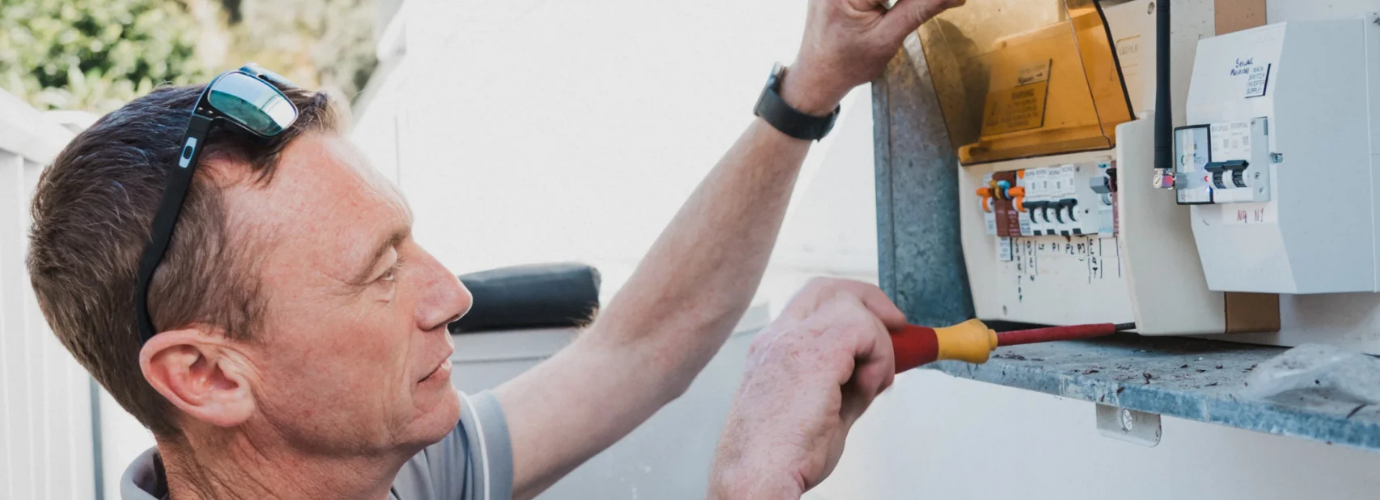
A switchboard is one of the most important parts of your electrical system. It controls how power moves through your home or business and helps protect the property from electrical faults. In 2026, many Sydney properties are using more power than ever before, from air conditioning and home offices to EV chargers, solar systems and modern kitchen appliances.
If your switchboard is old, overloaded or missing safety switches, it may be time to consider an upgrade.
What Does A Switchboard Do?
Your switchboard is the main control point for electricity in your property. It draws power from the main supply and distributes it to different circuits, such as lighting, power points, appliances, hot water systems, and outdoor areas.
A modern switchboard usually includes circuit breakers and safety switches. These parts help shut off power when there is a fault, an overload, or an electrical risk. This can help reduce the chance of fire, electric shock and damage to appliances.
Older switchboards, especially those with ceramic fuses, were not designed for today’s power demand. They may still work, but that does not always mean they are safe or suitable for modern use.
Common Signs You Need A Switchboard Upgrade
There are several warning signs that your switchboard may need attention. Some are easy to notice, while others may only be picked up during an inspection.
Common signs include:
- Old ceramic fuses
- Frequent power tripping
- Flickering or dimming lights
- Buzzing sounds from the switchboard
- Burning smells or heat near the board
- Power points that stop working often
- No safety switches installed
- Not enough room for new circuits
- Electrical problems after renovations or new appliances
If your lights flicker when you use large appliances, or your power trips often, your switchboard may be under pressure. If you notice a burning smell, black marks, melted parts or buzzing, you should arrange an inspection as soon as possible.
In some cases, the issue may only need a smaller fix, such as Switchboard Repair Sydney for damaged parts, loose connections or a faulty breaker. However, if the whole board is outdated or unsafe, an upgrade is usually the better long-term option.
How Much Does A Switchboard Upgrade Cost In Sydney?
The cost of a switchboard upgrade in Sydney can vary depending on your property, the condition of the current board and the amount of work required.
As a general guide, many standard residential switchboard upgrades can cost between $800 and $2,500. Larger or more complex jobs may cost more, especially if the property needs extra circuits, three-phase power, asbestos panel removal or major electrical work.
The final price may depend on:
- The size of the property
- Number of circuits required
- Whether the switchboard is single-phase or three-phase
- The age of the wiring
- Whether safety switches are needed
- Access to the switchboard
- Whether the board needs to be relocated
- Any urgent or after-hours work
For homeowners comparing Switchboard Upgrades Sydney, it is important to look beyond the lowest price. A safe and compliant upgrade should include proper testing, quality parts and work completed by a licensed electrician.
What Affects The Final Cost?
No two switchboard jobs are exactly the same. A newer townhouse with easy access may cost less than an older freestanding home with ceramic fuses and ageing wiring.
Age And Condition Of The Existing Board
Older switchboards often need more work. If the board has ceramic fuses, damaged parts, exposed wiring or signs of overheating, extra labour and replacement parts may be required.
Number Of Circuits
The more circuits your property needs, the more components may be required. For example, a larger home with air conditioning, outdoor power, a pool, workshop or EV charger may need more circuit protection than a small unit.
Single-Phase Or Three-Phase Power
Most standard homes use single-phase power, while larger homes, workshops and commercial properties may use three-phase power. Three-phase switchboard work can cost more because it is more detailed and may involve extra load assessment.
Compliance And Safety Upgrades
If your current switchboard does not meet modern safety expectations, your electrician may recommend extra protection, testing or upgrades to make the system safer.
Safety Switches And Modern Protection
Safety switches are designed to protect people from electric shock. They work by cutting power quickly when they detect electricity leaking from a circuit.
It is important to understand that circuit breakers and safety switches are not the same thing. Circuit breakers help protect wiring and appliances from overloads. Safety switches help protect people.
Modern switchboards usually include safety switch protection across important circuits. This is especially important for wet areas, outdoor power points, kitchens, laundries and high-use areas.
If your property does not have proper safety switch protection, you may need Safety switch installation in Sydney as part of your switchboard upgrade. A licensed electrician can test your current setup and explain what protection is missing.
NSW Safety And Compliance Considerations
Switchboard work in NSW must be completed by a licensed electrician. It is not a DIY job, even if the issue looks simple from the outside.
A proper upgrade should follow Australian electrical safety standards and include testing before power is fully restored. In some cases, the electrician may also need to consider network provider requirements, especially if there are changes to the main supply or meter area.
After the work is completed, the switchboard should be clearly labelled, tested and safe to use. This gives property owners more confidence that the electrical system is ready for everyday use.
What Happens During A Switchboard Upgrade?
A switchboard upgrade usually follows a clear process. The exact steps can vary, but most jobs include the following:
Initial Inspection
The electrician checks the current switchboard, wiring condition, number of circuits and any visible safety concerns.
Load Assessment
The property’s power demand is reviewed. This is important if you use large appliances, have recently renovated, or plan to add solar, air conditioning, or an EV charger.
Power Isolation
Power is safely turned off before work begins.
Removal Of Old Components
Old fuses, damaged breakers or outdated parts are removed.
New Switchboard Installation
The new board, circuit breakers, safety switches and other required parts are installed.
Testing And Labelling
The electrician tests the system, labels circuits and confirms that the board is working safely.
Many standard residential upgrades can be completed within several hours, but complex jobs may take longer.
When Should You Upgrade Instead Of Repair?
A repair may be suitable if the problem is small and isolated. For example, one faulty breaker or a loose connection may not always mean the whole board needs replacing.
However, an upgrade is often the smarter choice when:
- The switchboard has ceramic fuses
- The board trips regularly
- There is no safety switch protection
- The board is overloaded
- There is no room for extra circuits
- You are planning renovations
- You are adding high-power appliances
- There are visible signs of heat or damage
If the switchboard is old and keeps causing problems, repeated repairs may end up costing more over time. A full upgrade can provide better safety, more capacity and stronger long-term protection.
Conclusion
A switchboard upgrade is not just about replacing old parts. It is about making your property safer, more reliable and ready for modern power needs. If your switchboard is outdated, overloaded or missing safety switches, it is worth arranging a licensed inspection. Getting the right advice early can help prevent electrical faults, reduce safety risks, and ensure your property is better prepared for 2026 and beyond.