

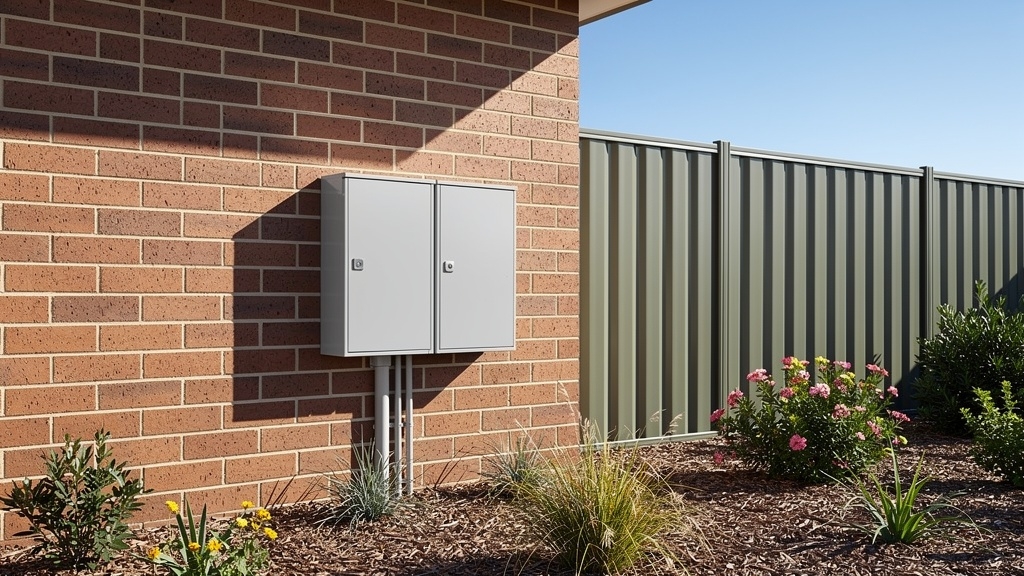
Understanding landlord electrical compliance in NSW is one of the most important obligations for property owners in 2026. The rules have tightened significantly over the past five years, and the consequences of non-compliance range from insurance voidance to personal liability if a tenant is harmed. This guide covers exactly what NSW landlords must do, what it costs, and when to call a licensed electrician.
Table of Contents
- The Legal Framework: What NSW Law Actually Says
- Safety Switch (RCD) Requirements for Rental Properties
- Smoke Alarm Obligations for NSW Landlords
- Switchboard and Wiring Obligations
- Electrical Inspections for Rental Properties
- Compliance Cost Guide: What to Budget in NSW 2026
- Tenant Rights and Landlord Liability
- FAQs
The Legal Framework: What NSW Law Actually Says
Landlord electrical obligations in NSW are governed by three primary pieces of legislation and regulation:
- Residential Tenancies Act 2010 (NSW) — requires landlords to provide premises that are fit for habitation and to maintain them in a reasonable state of repair.
- Residential Tenancies Regulation 2019 (NSW) — defines minimum requirements for smoke alarms and other safety equipment.
- Electricity (Consumer Safety) Act 2004 (NSW) and the AS/NZS 3000 Wiring Rules — govern the standard to which all electrical installations must be maintained.
Together, these create a clear framework: a rental property’s electrical systems must be functional, safe, and compliant with applicable standards at all times during the tenancy. The landlord bears responsibility for ensuring this — not the tenant.
The “Fit for Habitation” Standard
Under the Residential Tenancies Act, a property must be fit for habitation at the start of, and throughout, the tenancy. From an electrical standpoint, this means functional power points, working lights, no visible wiring faults, and all switchboard components in safe working order. A landlord who knowingly rents a property with unsafe electrical systems risks personal liability for any damage or injury resulting from those faults.
Safety Switch (RCD) Requirements for Rental Properties
Safety switches (Residual Current Devices, or RCDs) are the single most important electrical safety device in a home. They detect current leakage and disconnect power within milliseconds — fast enough to prevent electrocution in most circumstances.
What NSW Requires
In NSW, all new residential installations and major alterations since 1992 have required safety switches on power point circuits. However, many older properties still lack adequate RCD protection. While NSW does not yet mandate a blanket retrofit deadline for existing rental properties (unlike Queensland, which has had phased requirements), landlords are strongly advised to install RCDs proactively for several reasons:
- Home insurance policies increasingly require evidence of safety switch protection for claims arising from electrical faults
- An unprotected property with an electrocution injury creates significant landlord liability
- Fair Trading NSW can require upgrades as part of a tenancy dispute resolution
- Many property managers now include RCD retrofits in standard pre-tenancy checklists
Best Practice: Three-Switch Protection
Licensed electricians recommend three separate RCDs on the switchboard: one protecting power circuits, one protecting lighting circuits, and one protecting any hardwired appliances (range hood, dishwasher, oven). This ensures a fault on one circuit doesn’t black out the whole property, and that all circuits have independent protection.
For properties on the Central Coast, our Holgate electrical services and East Gosford electrical team regularly carry out RCD upgrades for investment properties.
Smoke Alarm Obligations for NSW Landlords
The smoke alarm requirements for NSW rental properties underwent significant strengthening under the Residential Tenancies Regulation 2019. This is one area where NSW landlords have clear, legally enforceable obligations with defined timeframes.
Current NSW Smoke Alarm Requirements
| Requirement | NSW Residential Rental Properties |
|---|---|
| Number of alarms | At least one on each level; in or near every bedroom; in hallways between bedrooms and living areas |
| Alarm type | Photoelectric (not ionisation) for new installations and replacements |
| Power source | Hardwired with battery backup, or 10-year sealed lithium battery |
| Interconnection | Required for new builds since 2014; strongly recommended for all rentals |
| Testing | Landlord must ensure alarms are functional at the start of each tenancy |
| Maintenance | Ongoing maintenance during tenancy is landlord’s responsibility |
What “Functional at Start of Tenancy” Means in Practice
Before handing over keys, the landlord (or their agent) must physically test each smoke alarm to confirm it activates correctly. A written record of this test — including the date, property address, and tester’s name — is best practice and provides evidence in any future dispute. Many property managers include smoke alarm compliance certificates from licensed electricians as a standard component of lease preparation.
Switchboard and Wiring Obligations
The switchboard is the electrical backbone of the property. For rental properties built before the 1990s, the switchboard may contain ceramic fuse holders rather than modern circuit breakers. This is a significant compliance and safety concern.
Ceramic Fuse Boards
Ceramic or “porcelain” fuse holders were standard in Australian homes built before roughly 1985. They present several problems for rental compliance:
- They cannot physically accommodate modern RCD (safety switch) protection
- They require fuse wire replacement after every blown fuse, which is often done incorrectly
- They do not provide the fault response speed of modern circuit breakers
- Many insurers treat ceramic fuse boards as an elevated risk and may require replacement
A full switchboard upgrade — replacing ceramic fuses with modern circuit breakers and adding RCD protection — typically costs $1,200–$3,000 in NSW and is tax-deductible as a capital improvement on a rental property. See our guide on switchboard upgrade costs in Sydney for current pricing.
Old or Damaged Wiring
Properties built before 1970 may have wiring insulated with rubber or cloth — materials that degrade over time. Signs of aging wiring include brown or crumbling insulation visible at power points and light fittings, a persistent burning smell, or switches and outlets that feel warm. These are not cosmetic issues — they are fire hazards that require a licensed electrician’s assessment before the property is tenanted.
Electrical Inspections for Rental Properties
NSW does not currently mandate a routine periodic electrical inspection certificate for residential rental properties (unlike commercial properties, which require regular testing and tagging). However, inspections are strongly recommended at these trigger points:
- Before the first tenancy in a property that hasn’t been recently rented or renovated
- After a known fault — any electrical fault report from a tenant should trigger a licensed inspection
- At major renovation — any electrical work requires a licensed electrician and, for substantial work, a Certificate of Compliance Electrical Work (CCEW)
- Every 5 years as a best-practice cycle — many landlord insurance policies recommend this
- After flood, storm, or fire — water or heat damage to wiring must be professionally assessed before restoring power
Certificate of Compliance Electrical Work (CCEW)
Any licensed electrical contractor carrying out electrical work in NSW must issue a CCEW for work that is required to be inspected under the NSW Fair Trading regulatory framework. Landlords should retain all CCEWs for the property — they serve as evidence of compliant work and are important for insurance claims.
Compliance Cost Guide: What to Budget in NSW 2026
| Task | Typical Cost Range (NSW 2026) | Notes |
|---|---|---|
| RCD (safety switch) installation — 1 circuit | $200–$450 | Per circuit; most properties need 2–3 |
| Full RCD upgrade (3 circuits) | $500–$1,000 | Most common investment property upgrade |
| Switchboard upgrade (ceramic to modern) | $1,200–$3,000 | Includes circuit breakers + RCDs |
| Smoke alarm installation (hardwired, each) | $150–$350 | Per alarm; interconnected systems cost more |
| Smoke alarm compliance check (per property) | $80–$150 | Test, report, and certificate |
| Electrical condition inspection and report | $250–$600 | Full property assessment with written report |
| Power point replacement (standard) | $100–$250 | Per point; volume discounts for multiple |
| Old wiring assessment | $200–$450 | Visual + thermal inspection; testing extra |
Tenant Rights and Landlord Liability
NSW tenants have the right to a safe and habitable property. When an electrical fault is reported and not addressed in a reasonable timeframe, tenants have several remedies under the Residential Tenancies Act:
- Apply to the NSW Civil and Administrative Tribunal (NCAT) for a maintenance order
- Terminate the tenancy if the fault makes the property uninhabitable
- Seek compensation for damage caused by the landlord’s failure to repair
If a tenant suffers injury due to an electrical fault that the landlord knew about (or should reasonably have known about) and failed to rectify, the landlord may face personal liability in a civil claim. This is separate from any insurance claim, and standard landlord insurance may not cover liability arising from known non-compliance.
The Tenants’ Union of NSW publishes detailed guidance on tenant rights relating to property maintenance and safety, including electrical obligations. Landlords should understand these rights — knowing what tenants can legally demand helps you stay ahead of compliance proactively.
For properties requiring full compliance checks, our team covers the Sydney metro area and Central Coast, including test and tagging services and RCD safety switch testing for investment properties.
Frequently Asked Questions
Do NSW landlords need to provide safety switches?
NSW does not have a blanket retrofit mandate for safety switches (RCDs) in existing rental properties the way Queensland does. However, all new electrical work must include RCD protection, and landlords have a general duty to provide safe premises. Most licensed electricians and property managers strongly recommend installing RCDs on all power circuits in rental properties, and many insurers require it for coverage of electrical fault claims.
How often do I need to test smoke alarms in my NSW rental property?
At minimum, smoke alarms must be tested and confirmed functional at the start of each new tenancy. Beyond that, annual testing is best practice. Hardwired alarms with battery backup are the recommended type for new installations and replacements. The landlord is responsible for maintenance throughout the tenancy — not the tenant.
Can a tenant withhold rent if there’s an electrical fault?
NSW tenants cannot unilaterally withhold rent, but they can apply to NCAT for orders requiring repairs and compensation. If the fault makes the property uninhabitable, a tenant may be entitled to terminate the lease. Landlords should address all reported electrical faults promptly and in writing to avoid escalation to the Tribunal.
Is an electrical inspection required before renting out a property in NSW?
NSW does not currently require a mandatory electrical inspection certificate before listing a property for rent. However, a pre-tenancy inspection is strongly recommended — especially for older properties, properties that have been vacant, or any property where the electrical history is unknown. It protects the landlord and demonstrates due diligence.
What is a CCEW and when do I need one?
A Certificate of Compliance Electrical Work (CCEW) is issued by a licensed electrical contractor after completing work that must be inspected under NSW regulations. You need a CCEW when new wiring is installed, when the switchboard is altered, when safety switches are installed, or when any work covered by the licensing requirements is performed. Retain all CCEWs — they are your proof of compliant work.
Does my landlord insurance cover electrical faults?
Most landlord insurance policies cover sudden and unforeseen electrical damage — such as a power surge causing a switchboard fault. They typically exclude damage from gradual deterioration, wear and tear, or known pre-existing conditions. If your property has known electrical defects that you haven’t rectified, your insurer may decline related claims. Always disclose the condition of the electrical system accurately on your policy application.
How do I find a licensed electrician for compliance work in NSW?
All licensed electricians in NSW can be verified via the Service NSW licence check. Look for a contractor who can issue a CCEW for all work performed, carries current public liability insurance, and is familiar with the AS/NZS 3000 Wiring Rules. Get at least two written quotes for any significant work, and retain all documentation.
Need Electrical Compliance Work for Your NSW Rental Property?
WSG Group’s licensed electricians handle RCD upgrades, smoke alarm compliance, switchboard inspections, and CCEWs across Sydney and the Central Coast.
Book a Compliance Inspection