

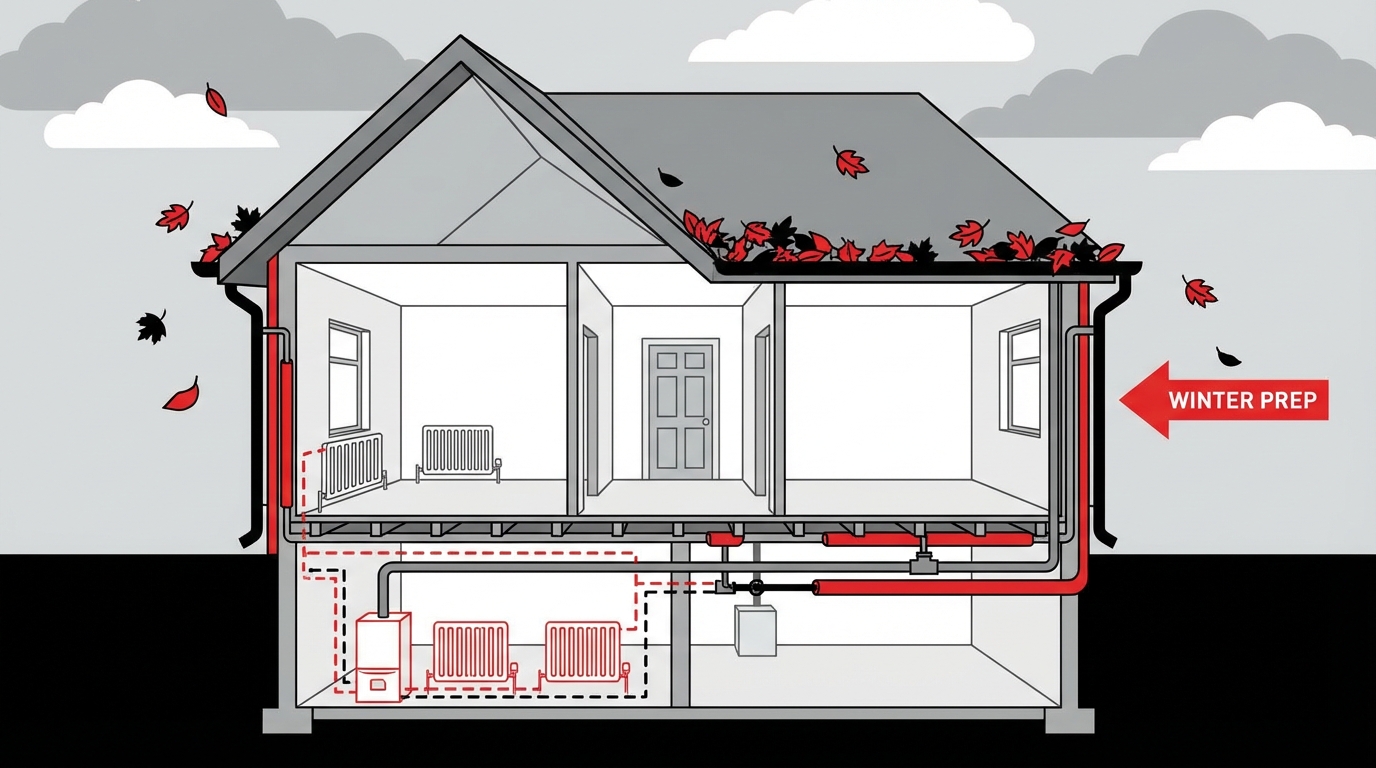
As summer fades and autumn arrives in Sydney, smart homeowners know this transitional season is the perfect time to prepare their properties for winter. While Sydney’s winters are milder than many parts of Australia, the combination of cooler temperatures (dropping to 8-17°C), increased rainfall, and occasional frosts still creates real challenges for unprepared homes.
Winter-related home emergencies—burst pipes, heating system failures, roof leaks, and electrical faults—spike dramatically between June and August across Sydney and the Central Coast. The Insurance Council of Australia reports that cold weather damage accounts for thousands of claims annually, with average repair costs exceeding $3,500 per incident. The frustrating reality? Most of this damage is entirely preventable through simple autumn preparation.
Taking action now, during the mild autumn months of March through May, allows you to address vulnerabilities before winter weather arrives. You’ll avoid the rush and premium pricing that comes with emergency repairs during peak cold periods, and more importantly, you’ll protect your family’s comfort and safety throughout the winter months.
Founded in 1947, WSG Group has helped Sydney and Central Coast homeowners prepare for over 75 winters. Our expert plumbers, electricians, and roofing specialists have identified the critical preparation steps that make the difference between a comfortable, worry-free winter and costly emergency callouts in the middle of July’s coldest nights.
This comprehensive pre-winter checklist covers everything your home needs before temperatures drop. Let’s ensure your property is ready for whatever winter 2026 brings.
Why Autumn Is Critical for Winter Home Preparation
Many Sydney homeowners underestimate the importance of winter preparation, assuming our relatively mild climate doesn’t warrant the same precautions as colder regions. This assumption leads to preventable problems every single winter.
Sydney’s winter presents unique challenges. Unlike consistently cold climates where homeowners maintain constant heating, Sydney’s fluctuating temperatures—warm days followed by cold nights—create thermal stress on building materials and systems. Pipes expand and contract, roofing materials undergo temperature cycling, and heating systems experience stop-start operation that accelerates wear.
Additionally, Sydney’s winter rainfall patterns are significant. June is typically Sydney’s wettest month, averaging 130-140mm of rainfall. When this heavy rain combines with cold temperatures and hasn’t been prepared for properly, it overwhelms drainage systems, finds weaknesses in roofs, and exposes inadequate insulation.
The Cost of Skipping Winter Preparation
Consider these common winter emergencies and their typical costs:
- Burst pipe from freezing: $800-2,500 for emergency repair plus water damage restoration ($2,000-8,000)
- Failed heating system during cold snap: $400-1,200 for emergency service call and repairs
- Roof leak discovery mid-winter: $600-2,000 for emergency repairs, more for water damage inside
- Blocked gutters causing overflow: $300-1,500 for gutter repair and water damage to fascia/walls
- Electrical faults from moisture: $350-900 for emergency electrician plus potential appliance damage
These emergency repairs also come with inconvenience: waiting times during peak demand, living without heating or hot water, and dealing with the stress of unexpected home crises. A few hours of autumn preparation prevents all of this.
Autumn Weather Windows for Preparation Work
Autumn in Sydney offers ideal conditions for home maintenance work:
- Mild temperatures (15-25°C) make outdoor work comfortable for tradespeople
- Lower rainfall than winter allows exterior work to proceed without weather delays
- Longer daylight hours compared to winter maximize work efficiency
- Less humidity than summer prevents issues with sealants and coatings
Most importantly, tradesperson availability is significantly better in autumn. Winter is peak season for heating repairs and emergency plumbing, meaning longer wait times and higher prices. Scheduling preventive maintenance in autumn ensures you get timely, non-emergency pricing.
Plumbing Preparations to Prevent Winter Problems
Your home’s plumbing system faces significant stress during Sydney’s winter months. Cold temperatures, increased hot water usage, and thermal cycling create conditions for failures that are easily prevented with proper autumn preparation.
Inspect and Insulate Exposed Pipes
While Sydney rarely experiences prolonged freezing conditions, overnight temperatures in western suburbs and elevated areas can drop below 2°C, creating genuine freezing risk for exposed pipes. Even pipes that don’t fully freeze experience contraction that stresses joints and connections.
Critical areas requiring inspection and insulation:
- Outdoor taps and garden plumbing: These are most vulnerable to freezing. Check for cracks, leaks, or damaged washers now. Consider installing tap covers or insulating exposed pipe runs.
- Pipes in unheated areas: Roof spaces, under-floor areas, garages, and external walls can harbor pipes at risk. Foam pipe insulation (available at hardware stores for $5-10 per meter) provides effective protection.
- Older galvanized steel pipes: If your home has original galvanized piping, cold weather can accelerate corrosion at weak points. Professional inspection identifies pipes nearing failure before they burst mid-winter.
- Hot water pipes: Insulating hot water pipes serves dual purposes—protecting against cold AND reducing heat loss as hot water travels through your home. This improves efficiency and provides hot water faster at taps.
- Professional plumbers can complete pipe insulation in a few hours, typically costing $200-400 for an average home. This small investment prevents thousands in burst pipe damage.
Service Your Hot Water System
Hot water demand increases by 30-50% during winter months as longer, hotter showers become the norm. Your hot water system needs to be in peak condition to handle this increased load without failure.
Essential hot water system autumn maintenance:
Tank inspection and servicing: Check for corrosion, test the temperature and pressure relief valve, inspect the anode rod (which prevents tank corrosion), and flush sediment buildup. Annual servicing extends system lifespan by 3-5 years.
Gas heater checks: For gas hot water systems, have a licensed gas fitter inspect burners, pilot lights, venting, and gas connections. Carbon monoxide risks increase when gas systems aren’t properly maintained.
Heat pump maintenance: Clean air filters, check refrigerant levels, inspect electrical connections, and ensure proper drainage. Heat pumps work harder in cold weather and need optimal condition.
Insulation upgrade: Adding a hot water cylinder jacket ($50-80) reduces heat loss by up to 45%, improving efficiency and reducing recovery time between hot water draws.
Thermostat adjustment: Most hot water systems are set to 60-65°C, which is optimal for both performance and legionella prevention. Confirm your setting is appropriate.
WSG Group recommends professional hot water system servicing every 12-18 months, ideally in autumn before winter demand peaks. Service costs $150-250 but prevents mid-winter failures that leave families without hot water for days.
Clear and Inspect Drainage Systems
Sydney’s winter rainfall tests your property’s drainage capacity. June rainfall can deliver 130mm+ in just a few weeks—that’s millions of liters channeled through your roof, gutters, downpipes, and stormwater drains. Any blockages or weaknesses cause problems fast.
Critical drainage preparation tasks:
- Professional gutter cleaning: Remove all leaves, sediment, and debris accumulated over summer and autumn. Even partial blockages reduce flow capacity by 50-70%. Clean gutters handle winter rain without overflow that damages walls, foundations, and landscapes.
- Downpipe inspection: Ensure downpipes are completely clear from top to bottom. Use a hose to test flow—water should discharge freely at the bottom without backup. Consider installing leaf guards on downpipe entrances.
- Stormwater drain testing: Run water from hoses to test all stormwater drains. Slow drainage indicates developing blockages (often tree roots). CCTV drain inspection identifies problems before heavy winter rain overwhelms your system.
- Surface drainage review: Walk your property during light rain to observe water flow. Water should drain away from your home’s foundation, not pool against walls or flow toward entry points.
- Valley gutter check: Valley gutters (where two roof planes meet) handle concentrated water flow and are prone to blockages and leaks. Professional inspection ensures they’re ready for winter.
Regular drainage maintenance prevents 80% of winter water damage claims. WSG Group’s plumbing specialists can complete comprehensive drainage inspections and cleaning in 2-4 hours, typically costing $250-450 depending on property size.
Fix All Leaks Before Winter Arrives
That dripping tap or running toilet isn’t just wasting water and money—it becomes a much bigger problem in winter. Cold weather exacerbates existing plumbing weaknesses, often turning minor leaks into major failures.
Why fix leaks in autumn:
- Water waste amplification: A dripping hot water tap wastes both water and the energy to heat it. In winter when hot water usage already peaks, this waste significantly impacts bills.
- Freeze risk: Even small leaks can create ice buildup in exposed areas during cold snaps, potentially blocking pipes or creating burst conditions.
- Moisture and mold: Leaks create dampness that, combined with reduced ventilation during winter (closed windows), promotes mold growth affecting indoor air quality and health.
- Progressive damage: Small leaks worsen over time. What’s manageable in autumn becomes an emergency requiring after-hours callout during winter.
Common leaks to address now:
- Dripping taps (indoor and outdoor)
- Running toilets (listen for constant water flow in cistern)
- Weeping pipe joints visible in accessible areas
- Hot water system pressure relief valve continuous discharge
- Shower base leaks (test for soft spots in flooring)
Most leak repairs are straightforward for licensed plumbers, typically costing $150-350 per fixture. Addressing them in autumn prevents costly winter emergencies and ongoing waste.
Electrical System Winter-Readiness Checks
Winter increases electrical load across your home—more lighting during shorter days, constant heating operation, additional appliance usage, and peak hot water heating demand. Your electrical system needs proper preparation to handle this safely and efficiently.
Heating System Electrical Inspection
Whether you have ducted heating, reverse-cycle air conditioning, or portable electric heaters, electrical preparation ensures safe, efficient operation throughout winter.
Ducted heating and reverse-cycle systems:
- Professional service: Have a licensed technician inspect electrical connections, test capacitors and contactors, clean filters, and verify proper operation. Systems that haven’t run since last winter often have failed components discovered only when needed.
- Thermostat check: Test your thermostat for accurate temperature reading and proper system control. Faulty thermostats cause systems to run inefficiently or not at all.
- Circuit breaker verification: Ensure the circuit breaker serving your heating system is in good condition and properly rated. Older breakers can become unreliable and trip unnecessarily.
Portable electric heaters:
- Safety inspection: Check power cords for damage, fraying, or exposed wires. Test heater functions and safety shutoffs. Discard any heaters that smell unusual when operating or have damaged cords.
- Outlet adequacy: Portable heaters draw 1500-2400 watts. Ensure they’re plugged directly into wall outlets (never power boards) on circuits that can handle the load without overheating.
- Smoke alarm verification: With increased heating equipment use, working smoke alarms are critical. Test all alarms and replace batteries even if they seem functional.
Professional electrical inspection of heating systems costs $150-250 and typically takes 1-2 hours. This prevents mid-winter heating failures that leave families uncomfortable during the coldest weeks of the year.
Test Safety Switches and Switchboard
Your home’s electrical safety depends on properly functioning safety switches (RCDs) and a well-maintained switchboard. Winter conditions—increased moisture, higher electrical loads, and more frequent appliance use—reveal any underlying issues.
Essential electrical safety checks:
- Safety switch testing: Press the test button on each safety switch monthly. It should trip immediately and cut power to protected circuits. If it doesn’t trip or won’t reset, replacement is urgent. In NSW, safety switches are mandatory on all power point circuits.
- Switchboard condition: Open your switchboard and look for signs of moisture ingress, corrosion, burning smells, or discoloration around connections. These indicate serious problems requiring immediate professional attention.
- Circuit breaker function: Old or damaged circuit breakers fail to trip during overload conditions, creating fire risks. If breakers frequently trip or feel loose, replacement is necessary.
- Proper labeling: Your switchboard should have clear labels identifying which circuits serve which areas. This enables quick power shutoff during emergencies.
- Moisture protection: Switchboards in garages or external areas need proper sealing against moisture. Winter condensation can cause electrical faults.
Licensed electricians can perform comprehensive switchboard inspections for $150-300. This identifies hazards before they cause fires or injuries, and ensures your home’s electrical system is winter-ready.
Lighting for Shorter Winter Days
Daylight hours drop significantly during Sydney’s winter—from 14+ hours in summer to just 10 hours in June and July. This means increased reliance on artificial lighting, making functionality and efficiency important.
Lighting preparations:
- Exterior lighting check: Test all outdoor lights including entry lights, path lighting, and security lights. Replace failed bulbs and consider upgrading to LED for efficiency and reliability. Proper exterior lighting improves safety during dark winter mornings and evenings.
- Interior lighting adequacy: With more time spent indoors during colder, wetter weather, ensure all interior lights function properly. Replace any flickering or dimming lights that indicate failing bulbs or electrical issues.
- Emergency lighting: Power outages are more common during winter storms. Ensure you have working torches with fresh batteries in accessible locations. Consider installing emergency lighting in hallways and key areas.
- Sensor light testing: Motion sensor lights often accumulate dirt or spider webs affecting performance. Clean sensors and test function. Adjust sensitivity and duration settings for winter conditions.
- LED conversion benefits: If you still have halogen or incandescent bulbs, autumn is ideal for LED conversion. LEDs use 75-85% less energy and last 15-25 times longer—valuable during winter when lights run longer hours.
WSG Group’s licensed electricians can complete whole-home LED conversions in a few hours, typically saving $150-250 annually on electricity while improving light quality and reducing replacement needs.
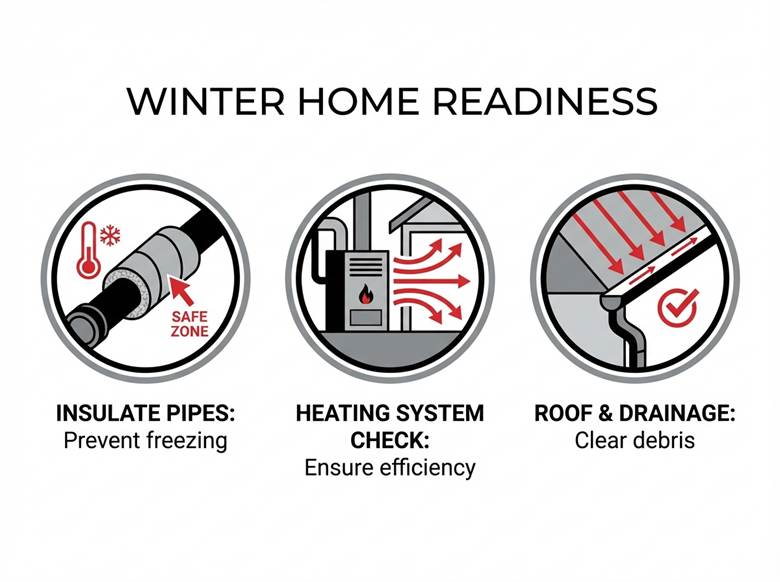
Roofing and Gutter Winter Preparation
Your roof is your home’s first line of defense against winter rain and wind. Proper autumn preparation ensures it performs flawlessly throughout the wettest, windiest months of the year.
Professional Roof Inspection
Small roof issues discovered in autumn are quick, affordable fixes. The same issues discovered during winter often involve emergency tarping, water damage restoration, and premium pricing for urgent repairs.
Comprehensive roof inspection checklist:
- Tile and sheet condition: Look for cracked, broken, or displaced tiles. Check metal roofing for rust spots, lifted edges, or loose fixings. Even small roof damage allows water penetration during heavy rain.
- Flashing integrity: Flashing seals joints between roof surfaces and penetrations (chimneys, vents, skylights). Check for rust, gaps, or cracked sealant. Failed flashing is the #1 cause of roof leaks.
- Ridge capping security: High winds can lift ridge capping (the tiles capping your roof’s peak). Check that all ridge tiles are securely fastened with no gaps or movement.
- Valley condition: Roof valleys channel concentrated water flow. They’re prone to rust (metal valleys) or debris accumulation (tiled valleys). Any valley issues cause major leaks during heavy rain.
- Roof space inspection: If accessible, inspect your roof space for daylight showing through (indicates gaps), water stains on timber (previous leaks), and adequate ventilation (prevents condensation).
- Sarking/membrane: Check roof sarking (waterproof membrane under roofing) for tears or degradation. This is your secondary water barrier.
Professional roof inspections by licensed roof plumbers typically cost $200-350 and take 1-2 hours. They identify vulnerabilities invisible from ground level and provide detailed reports on any required repairs. Addressing identified issues in autumn prevents winter emergency situations.
Gutter Cleaning and Maintenance
We mentioned gutter cleaning under plumbing preparations, but it deserves emphasis in the roofing context as well. Your gutters are integral to roof system performance.
Why pre-winter gutter cleaning is non-negotiable:
- Volume handling: A single millimeter of rain on a 200 square meter roof generates 200 liters of water. Heavy winter storms can deliver 20-30mm in an hour—that’s 4,000-6,000 liters your gutters must handle efficiently.
- Overflow damage: When gutters overflow, water cascades down external walls, penetrating brick joints and window seals. It pools against foundations causing structural issues. It saturates external wall insulation reducing thermal performance.
- Ice dam prevention: In colder Sydney suburbs and elevated areas, partially blocked gutters combined with cold weather can create ice damming—water freezes in gutters, forcing subsequent water under roofing materials.
- Weight load: Debris-filled gutters holding water weigh significantly more than designed for, potentially damaging gutter brackets and fascia boards.
- Corrosion acceleration: Wet debris sitting in gutters accelerates corrosion, particularly in older metal gutters. Regular cleaning extends gutter lifespan.
Gutter cleaning should include:
- Complete debris removal from all gutter runs
- Flushing downpipes to confirm full clearance
- Inspection of gutter joints and brackets
- Check for rust spots or failing gutter sections
- Verification of proper fall toward downpipes
WSG Group recommends professional gutter cleaning twice annually—autumn (before winter rain) and late spring (after leaves fall). Professional gutter cleaning costs $150-300 for average homes and takes 2-3 hours.
Prepare for Wind Damage
Winter storms can bring destructive winds. While Sydney’s worst winds typically occur during spring and summer storms, winter can deliver sustained strong winds and gusts exceeding 80-90 km/h.
Wind damage prevention:
- Tree trimming: Any branches overhanging your roof should be cut back at least 2-3 meters. Even healthy branches become hazards during high winds, potentially puncturing roofing or damaging gutters.
- Loose item removal: Remove or secure anything on your roof that could blow away—loose antennas, unsecured solar panel edges, old satellite dishes, temporary repairs with loose materials.
- Roof fixture security: Check that whirlybird vents, skylights, and roof-mounted equipment are securely fastened. Wind gets under loose fixtures and can rip them off entirely.
- Replace damaged roofing: Any already-damaged roofing is particularly vulnerable during wind events. Cracked tiles or loose sheets become projectiles during storms.
- Check roof-to-wall connections: In homes with attached patios or carports, verify the connection points between structures are secure. These junction points are vulnerable to wind uplift.
Professional arborists can safely trim trees for $300-800 depending on size and accessibility. This investment protects not just your roof but also prevents tree damage to structures, vehicles, and power lines.
Indoor Comfort and Safety Preparations
Beyond the major systems, several smaller preparations significantly improve winter comfort, safety, and energy efficiency.
Seal Drafts and Improve Insulation
Cold air infiltration through gaps and inadequate insulation makes homes uncomfortable and drives heating costs up dramatically. Autumn is the perfect time to address these issues.
Critical areas for draught-proofing:
- Doors and windows: Check weather stripping around all external doors and windows. Replace any that’s worn, compressed, or missing. Install door snakes for under-door gaps. Consider window film or heavy curtains for single-pane windows.
- Electrical outlets and switches: External walls often have cold air leaking around outlets and switches. Install foam insulation gaskets behind outlet covers (available at hardware stores for under $20 per pack).
- Ceiling access points: Roof access hatches are major heat loss points. Ensure they’re properly sealed and insulated.
- Skirting board gaps: Check where skirting boards meet floors and walls. Small gaps allow significant air infiltration. Use flexible caulk to seal.
- Exhaust fan covers: Bathroom and kitchen exhaust fans without dampers allow significant heat loss. Install or replace with dampered models.
- Roof insulation check: If your roof insulation is over 15 years old, compressed, or showing gaps, upgrading to modern R4.0-R6.0 insulation dramatically improves comfort and reduces heating costs by 20-35%.
Professional draught-proofing audits (often offered by energy companies) identify air leakage points and can cost $100-200. DIY draught-proofing materials cost $50-150 and provide immediate comfort improvements.
Smoke Alarm and Carbon Monoxide Detector Checks
Winter brings increased fire and carbon monoxide risks due to heating equipment use, fireplaces, and reduced ventilation. Safety device functionality is literally life-saving.
Essential safety device maintenance:
- Smoke alarm testing: Test every smoke alarm in your home using the test button. Replace batteries in battery-powered alarms even if they’re working (don’t wait for low-battery chirps).
- Smoke alarm age: Smoke alarms have a 10-year maximum lifespan. Check manufacture dates (printed on the alarm body). Replace any over 10 years old.
- Coverage adequacy: NSW regulations require smoke alarms on every level, in hallways connecting bedrooms, and between living areas and sleeping areas. Ensure compliance.
- Carbon monoxide detectors: If you have gas heating, gas hot water, or any fuel-burning appliances, carbon monoxide detectors are essential. Install them near bedrooms and near fuel-burning appliances.
- Fire extinguisher check: Inspect home fire extinguishers for proper pressure (gauge in green zone) and no visible damage. Ensure family members know their locations and how to use them.
- Escape plan review: With family members, review fire escape plans. Ensure everyone knows two ways out of every room and a designated meeting point outside.
These simple checks cost nothing but ensure critical safety systems work when needed. WSG Group’s electricians can install interconnected photoelectric smoke alarms (the gold standard) throughout your home for $150-250 per alarm installed.
Creating Your Personalized Pre-Winter Action Plan
Not every home needs every item on this checklist. Your property’s age, condition, and previous maintenance history determine priorities. Here’s how to create your customized autumn preparation plan.
Step 1: Conduct a Walk-Through Inspection
Set aside 1-2 hours to systematically inspect your property. Use this checklist as a guide, making notes of anything requiring attention. Take photos of problem areas for reference when discussing with tradespeople.
Focus on:
- Visible signs of water damage or leaks
- Heating system operation when tested
- Outdoor plumbing condition
- Roof condition (from ground level)
- Gutter blockages visible from below
- Drafts felt near windows and doors
- Any electrical issues (flickering lights, outlets not working)
Step 2: Categorize Tasks by Urgency
Divide identified issues into three categories:
Urgent (address within 2 weeks):
- Any active leaks
- Safety hazards (exposed wiring, damaged outlets)
- Heating system that won’t operate
- Major roof damage visible from ground
- Blocked drainage causing water pooling
Important (address within 4-6 weeks):
- Gutter cleaning
- Hot water system service
- Heating system professional service
- Minor roof repairs
- Pipe insulation in vulnerable areas
- Switchboard inspection
Beneficial (address as budget allows):
- Draught-proofing improvements
- LED lighting conversion
- Insulation upgrades
- Cosmetic repairs
Step 3: Budget for Professional Services
Typical autumn preparation costs for comprehensive approach:
- Plumbing: $400-800 (gutter cleaning, drainage check, leak repairs, hot water service)
- Electrical: $300-600 (heating system check, switchboard inspection, safety switch testing)
- Roofing: $350-700 (roof inspection, minor repairs, gutter maintenance)
- Total: $1,050-2,100 for comprehensive professional preparation
This investment prevents winter emergencies typically costing $2,000-8,000 plus the stress and inconvenience of mid-winter home failures.
Step 4: Schedule Services in Early Autumn
March and April are ideal months for winter preparation work. Tradesperson availability is good, weather is mild for outdoor work, and you have time to address discovered issues before winter arrives.
Contact WSG Group early in autumn to schedule comprehensive inspections and maintenance. Our team coordinates plumbing, electrical, and roofing services efficiently, often completing all preparation work in a single day or across two half-day visits.
Frequently Asked Questions About Pre-Winter Home Preparation
Q: When is the best time to start winter home preparation in Sydney?
A: March through early May is ideal. This gives you time to discover and address issues before winter weather arrives, and tradesperson availability is significantly better than during peak winter demand. Early preparation also allows you to spread costs over several months if needed.
Q: What’s the single most important winter preparation task?
A: Gutter cleaning and drainage system checking prevents the most common and costly winter problems—water damage from overflow and blocked drains. For a typical Sydney home, this single task prevents 70% of potential winter water damage.
Q: Do Sydney homes really need winter preparation given our mild climate?
A: Absolutely. While Sydney winters are milder than southern states, we still experience cold snaps with overnight temperatures below 5°C in many suburbs, plus June rainfall averaging 130mm+. More importantly, Sydney’s fluctuating temperatures (warm days, cold nights) create thermal stress that reveals system weaknesses. The thousands of winter emergency calls WSG Group receives annually prove preparation isn’t optional.
Q: Can I do winter preparation myself or do I need professionals?
A: Many tasks are DIY-friendly: testing smoke alarms, replacing door weather stripping, checking for obvious leaks, and basic draught-proofing. However, professional services are essential for: gutter cleaning at height, roof inspections, electrical system checks, hot water system servicing, and any repairs requiring licenses. The mixed approach—DIY for simple tasks, professional for technical work—is most effective.
Q: How much does professional pre-winter preparation typically cost?
A: For a comprehensive approach including plumbing, electrical, and roofing inspections and basic maintenance, expect $1,000-2,100. Individual services range from $150-800 depending on scope. While this seems significant, it’s far less than a single winter emergency (typical burst pipe: $800-2,500 + water damage restoration $2,000-8,000).
Q: What if I discover major issues during my autumn inspection?
A: Discovering issues in autumn is actually fortunate—you have time to plan and budget for repairs before they become emergencies. WSG Group provides detailed assessments and can help prioritize repairs, spread work over several months if needed, and identify any issues that truly require immediate attention versus those that can wait.
Q: Should I prepare rental properties for winter, or is that the tenant’s responsibility?
A: Landlords are responsible for maintaining properties in good repair, which includes ensuring systems function properly. Professional pre-winter inspections and maintenance protect your investment, prevent costly emergency repairs, and demonstrate proper property management. Tenants are generally responsible for minor maintenance like replacing light bulbs and keeping gutters clear between professional services.
Start Your Winter Preparation Today
Winter will arrive in Sydney and the Central Coast whether your home is ready or not. The choice is yours: take a few hours and invest modestly in autumn preparation, or risk the stress, expense, and discomfort of preventable winter emergencies.
The benefits of proper preparation extend beyond avoiding disasters. You’ll enjoy improved comfort throughout winter, lower heating costs from reduced drafts and efficient systems, peace of mind knowing your home’s critical systems are ready, and the convenience of avoiding emergency tradesperson callouts during the coldest weather.
Autumn 2026 is already here. By the time you’re reading this, winter is just weeks or months away. Every day you delay preparation is another day closer to potential problems without time to address them properly.
WSG Group makes winter preparation straightforward. As Sydney’s most experienced home service provider—serving the region since 1947—we understand exactly what local homes need to weather winter safely and comfortably. Our comprehensive approach covers all three critical systems—plumbing, electrical, and roofing—ensuring nothing is overlooked.
Don’t wait for the first cold snap or heavy winter rain to reveal your home’s vulnerabilities. Act now while autumn weather is pleasant, tradesperson availability is excellent, and you have time to address any discovered issues without pressure.
Ready to prepare your home for winter 2026? Contact WSG Group today for comprehensive pre-winter inspections and maintenance. Our licensed professionals will ensure every aspect of your home is ready for whatever winter brings.
Call 1800 186 597 to schedule your autumn home preparation service, or request a free quote online. Let’s make this winter the most comfortable, worry-free season your home has ever experienced.