

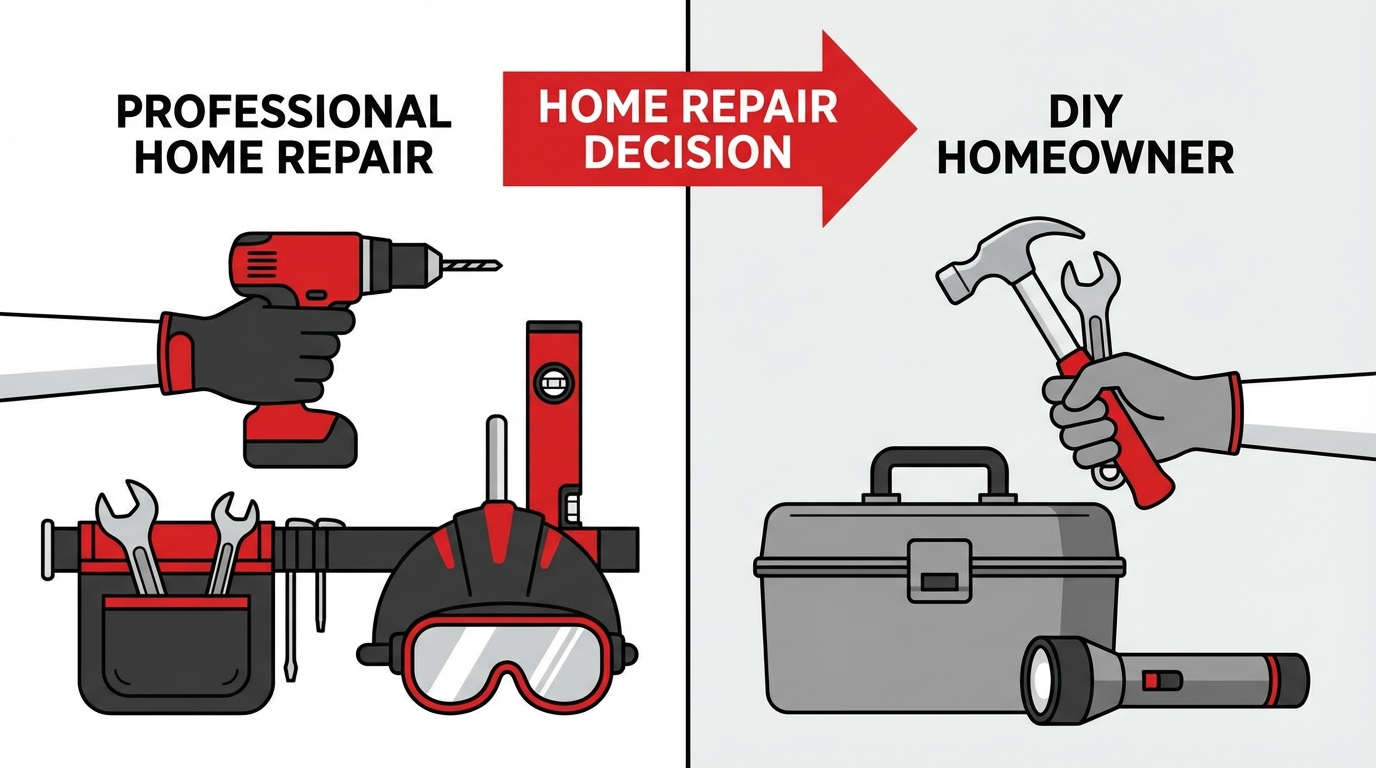
Every homeowner faces this critical question: should I tackle this repair myself or call a professional? With the rise of DIY culture and countless YouTube tutorials promising easy fixes, it’s tempting to grab your toolbox and save money. But the wrong decision can lead to costly mistakes, safety hazards, property damage, and even voided insurance coverage. As autumn 2026 settles across Sydney and the Central Coast, homeowners are assessing post-summer damage and preparing for winter—making this the perfect time to understand when DIY makes sense and when professional expertise is non-negotiable.
This comprehensive guide helps you make informed decisions about home repairs by examining the real costs, safety considerations, legal requirements, and long-term implications of professional vs DIY home repairs. Whether you’re dealing with plumbing leaks, electrical issues, roofing damage, or general maintenance, you’ll discover clear frameworks for choosing the right approach—and when to trust licensed professionals like the expert team at WSG Group.
Understanding the True Cost of DIY vs Professional Repairs
Many homeowners choose DIY repairs based solely on upfront cost savings, but this narrow view often overlooks hidden expenses that can quickly turn a budget-friendly project into a financial nightmare.
The Hidden Costs of DIY Home Repairs
When calculating DIY costs, consider these often-overlooked expenses:
- Specialized Tools & Equipment: Professional-grade tools for plumbing, electrical, or roofing work can cost hundreds to thousands of dollars. That pipe wrench, voltage tester, or roof jacks you need might cost more than hiring a professional for a single job.
- Materials & Supplies: Without trade accounts, homeowners pay retail prices—often 30-50% more than professionals pay for the same materials. Buying incorrect materials means additional trips and wasted money.
- Learning Curve Mistakes: First-time mistakes are expensive. A incorrectly installed hot water system, misdiagnosed electrical fault, or improper roof flashing can cause thousands in additional damage.
- Time Investment: Your time has value. A task taking a professional 2 hours might take you 8 hours—plus research time, multiple hardware store trips, and potential do-overs.
- Opportunity Costs: Every weekend spent on DIY repairs is time away from family, income-generating activities, or simply enjoying your home.
- Rectification Costs: When DIY goes wrong, you still need to call a professional—but now they must undo your work first, often doubling the final cost.
When Professional Services Offer Better Value
Professional services often prove more cost-effective when you factor in:
- Guaranteed workmanship and warranties (typically 5-10 years for quality work)
- Trade pricing on materials and access to commercial-grade products
- Efficiency from experience (jobs completed in hours, not weekends)
- Proper diagnosis the first time, avoiding trial-and-error expenses
- Compliance with Australian Standards and building codes
- Insurance coverage protecting you from liability
- Preventative insights that identify problems before they become expensive
“We regularly see homeowners who attempted DIY electrical or plumbing repairs spend 2-3 times more fixing the damage than if they’d called us initially,” notes the team at WSG Group, Sydney’s trusted plumbing, electrical, and roofing experts since 1947.
The Safety Factor: When DIY Becomes Dangerous
Safety should always be your primary consideration when deciding between DIY and professional repairs. Some home repairs carry serious risks of injury, death, or catastrophic property damage.
High-Risk Repairs That Require Professionals
These home repairs are dangerous and, in many cases, legally require licensed professionals in Australia:
- Electrical Work
Risk: Electrocution, fire, death. In NSW, ALL electrical work must be performed by licensed electricians—it’s illegal for homeowners to DIY. Risks include electric shock (potentially fatal), electrical fires from incorrect wiring, damage to appliances and devices, and voided home insurance. Even seemingly simple tasks like replacing light switches involve live electricity and require proper training, testing equipment, and compliance certificates. - Gas Fitting & Appliances
Risk: Gas leaks, explosions, carbon monoxide poisoning. Gas fitting in Australia MUST be performed by licensed gas fitters. DIY gas work is illegal and extraordinarily dangerous. Carbon monoxide is odorless and deadly, gas leaks can cause explosions, and improper connections void manufacturer warranties and insurance coverage. Never attempt DIY repairs on gas hot water systems, stoves, heaters, or gas lines. - Structural Modifications
Risk: Collapse, catastrophic property damage. Removing or altering load-bearing walls, beams, or supports can compromise your home’s structural integrity. These modifications require engineering assessments, council approval, and licensed builders. DIY structural work can lead to progressive failure, ceiling or wall collapse, and massive repair costs. - Roof Work
Risk: Falls, serious injury, death. Roof work is among the most dangerous DIY activities. Working at heights requires proper safety equipment, training, and often scaffolding. Falls from roofs are a leading cause of DIY-related deaths in Australia. Additionally, improper roof repairs can cause leaks, water damage, mold growth, and invalidated roof warranties. - Asbestos Removal
Risk: Cancer, fatal lung disease. Homes built before 1990 may contain asbestos in walls, roofs, eaves, and insulation. Asbestos exposure causes mesothelioma and lung cancer. Asbestos removal MUST be performed by licensed asbestos removalists following strict protocols. Never cut, drill, or disturb materials that may contain asbestos. - Major Plumbing Work
Risk: Flooding, water damage, contamination. While minor plumbing tasks might seem manageable, major work involving drainage systems, sewer lines, backflow prevention, or water mains requires licensed plumbers. Mistakes can cause catastrophic water damage, sewage backups, contaminated water supply, and structural damage from water infiltration.
Safety Red Flags: When to Stop and Call a Professional
Stop immediately and contact a professional if you encounter:
- Uncertainty about what you’re doing or how systems work
- Need for specialized tools you don’t own or know how to use
- Electrical panels, live wires, or anything involving electricity
- Gas lines, gas appliances, or the smell of gas
- Water shut-off issues or inability to control water flow
- Working at heights above 2 meters without proper safety equipment
- Asbestos or suspected asbestos-containing materials
- Structural elements, load-bearing walls, or foundation issues
- Building code requirements or permit needs
- Situations where mistakes could cause injury or major property damage
Legal & Compliance Requirements in Australia
Beyond safety, Australian law specifically prohibits homeowners from performing certain repairs without proper licensing. Understanding these legal requirements protects you from fines, insurance issues, and liability.
Work That Legally Requires Licensed Professionals
- Electrical Work (NSW)
ALL electrical work in New South Wales must be performed by licensed electricians who provide compliance certificates. This includes installing light fixtures, switches, outlets, ceiling fans, hot water systems, and any wiring work. Penalty: Fines up to $22,000 for unlicensed electrical work. Voided insurance: Most home insurance policies explicitly exclude coverage for damage caused by unlicensed electrical work. - Plumbing Work (NSW)
Plumbing work involving water supply, drainage, sewerage, or backflow prevention must be performed by licensed plumbers. While homeowners can perform minor repairs like replacing tap washers, any work requiring permits or affecting shared systems (especially in strata properties) needs licensed professionals. Penalty: Fines and potential liability for water damage or contamination. - Gas Fitting (National)
Gas fitting work throughout Australia MUST be performed by licensed gas fitters. No exceptions. This covers installation, maintenance, and repair of gas appliances, gas lines, and gas hot water systems. Penalty: Substantial fines, criminal charges, and complete loss of insurance coverage. - Building Work Requiring Permits
Structural changes, extensions, major renovations, and certain repairs require Development Approval (DA) or Complying Development Certificate (CDC) from your local council. Licensed builders must perform this work and arrange inspections. Penalty: Council orders to rectify or demolish, fines, and difficulty selling property.
Insurance Implications of DIY Repairs
Your home insurance policy likely excludes coverage for damage caused by unlicensed or improper repairs. Key insurance considerations:
- Most policies require licensed professionals for electrical, plumbing, and gas work
- DIY repairs that cause subsequent damage (fire, flooding, structural failure) may void entire claims
- Lack of compliance certificates can prevent insurance payouts
- Selling your home becomes complicated without proper documentation for past work
- Professional repairs include public liability insurance protecting you if workers are injured
- Warranties from licensed professionals provide long-term protection
DIY-Friendly Home Repairs for Capable Homeowners
Not all home repairs require professionals. Many routine maintenance tasks are perfectly safe and appropriate for capable DIY homeowners with basic tools and common sense. These beginner-friendly repairs can save money while building confidence and home maintenance knowledge.
Safe & Simple DIY Home Repairs
- Painting Interior Walls
Equipment needed: Paint, brushes, rollers, drop cloths, painter’s tape. Skill level: Beginner. Painting is one of the most rewarding DIY projects with immediate visible results. Proper preparation (cleaning, patching holes, taping) ensures professional-looking outcomes. Autumn is ideal for interior painting in Sydney with comfortable temperatures and lower humidity. - Replacing Tap Washers
Equipment needed: Adjustable wrench, replacement washers, cloth. Skill level: Beginner. Dripping taps waste water and money. Replacing worn tap washers is straightforward: turn off water supply, disassemble tap, replace washer, reassemble. If the leak persists after replacement, call a professional plumber as the issue may be valve seats or cartridge damage. - Cleaning Gutters
Equipment needed: Ladder, gloves, bucket, hose. Skill level: Beginner-Intermediate. Safety first: Use a stable ladder, never overreach, and consider safety harnesses for steep roofs. Regular gutter cleaning prevents water damage, roof leaks, and pest problems. Autumn is crucial in Sydney as falling leaves clog gutters before winter rains. For multi-story homes or steep roofs, hire professional gutter cleaners. - Replacing Air Filters (HVAC)
Equipment needed: Replacement filters (correct size). Skill level: Beginner. Regular filter changes (every 3 months) improve air quality, system efficiency, and reduce energy costs. Simply locate filter compartment, note arrow direction on old filter, insert new filter same direction. Mark calendar for next replacement. - Caulking & Sealing
Equipment needed: Caulk gun, appropriate caulk, scraper, cleaning supplies. Skill level: Beginner. Sealing gaps around windows, doors, and bathrooms prevents drafts, water infiltration, and pest entry. Remove old caulk completely, clean surface, apply smooth bead of new caulk, smooth with wet finger. Kitchen and bathroom caulking should use mold-resistant products. - Basic Garden Maintenance
Equipment needed: Garden tools, mulch, fertilizer. Skill level: Beginner. Autumn garden maintenance in Sydney includes pruning, mulching, fertilizing, and preparing garden beds for winter. Check outdoor taps for leaks, clean outdoor drainage, and ensure downpipes direct water away from foundations. - Replacing Door Hardware
Equipment needed: Screwdriver, new hardware. Skill level: Beginner. Updating door handles, cabinet pulls, and curtain rods freshens your home’s appearance. Measure existing hardware before purchasing replacements to ensure proper fit. - Minor Drywall Repairs
Equipment needed: Spackling compound, putty knife, sandpaper, paint. Skill level: Beginner. Small nail holes and minor dents are easy to repair. Clean area, apply spackling compound, let dry, sand smooth, prime, and paint to match.
DIY Success Tips
Maximize your DIY success with these professional insights:
- Research thoroughly: Watch multiple tutorials, read instructions completely before starting
- Start small: Build skills with simple projects before attempting complex repairs
- Invest in quality tools: Cheap tools break, create frustration, and produce poor results
- Know your limits: Recognize when a project exceeds your skill level
- Take your time: Rushing causes mistakes and potential injuries
- Follow safety protocols: Use proper safety equipment and procedures
- Document your work: Take photos, keep receipts, maintain records
- Know when to pivot: If something goes wrong, stop and call a professional immediately
Decision-Making Framework: DIY or Professional?
Use this practical framework to confidently decide whether to DIY or hire a professional for any home repair.
The WSG Group Decision Matrix
Answer these critical questions honestly:
- Is it legal?
Can I legally perform this work without a license? (Electrical, gas, and major plumbing work require licensed professionals in Australia) - Is it safe?
Can I complete this work without risk of serious injury or death? Do I have proper safety equipment? - Do I have the skills?
Have I successfully completed similar tasks before? Do I understand the systems involved? - Do I have the tools?
Do I own the necessary tools, or will I need to purchase specialized equipment? - Do I have the time?
Can I realistically complete this within a reasonable timeframe? What happens if I can’t? - What’s the cost of mistakes?
If something goes wrong, what’s the potential damage cost? Could mistakes create safety hazards? - Are permits required?
Does this work require council approval, inspections, or compliance certificates? - What about insurance?
Will DIY work affect my insurance coverage? Am I protected if something goes wrong? - Is warranty important?
Do I need guaranteed workmanship and warranty protection for this repair? - Is it an emergency?
Does this require immediate professional attention to prevent further damage?
Clear Decision Guidelines
ALWAYS Call a Professional For:
- Electrical work (required by law in NSW)
- Gas fitting and gas appliance repairs (required by law)
- Major plumbing installations or repairs
- Structural work or modifications
- Roof repairs (safety hazard)
- Asbestos-related work
- Work requiring building permits
- Emergency repairs (burst pipes, gas leaks, power outages)
- Repairs affecting insurance coverage
- Hot water system installation or repair
- Switchboard or electrical panel work
- Drainage and sewer line repairs
Consider DIY For:
- Basic painting (interior walls, not high ceilings)
- Replacing tap washers (if comfortable with plumbing basics)
- Cleaning gutters (single-story homes with safe access)
- Changing air filters
- Caulking and sealing small gaps
- Garden maintenance and landscaping
- Replacing door hardware
- Minor drywall patching
- Cleaning and organizing
- Furniture assembly
Seasonal Considerations: Autumn 2026 in Sydney
As autumn 2026 progresses across Sydney and the Central Coast, seasonal factors influence the DIY versus professional decision. This transition period from summer heat to winter rains creates specific maintenance priorities and timing considerations.
Post-Summer Home Assessment
Summer 2025-2026 brought intense heat, UV exposure, and seasonal storms to Sydney. Common post-summer issues requiring professional assessment include:
- Roof damage from summer storms, UV degradation, or thermal expansion
- Gutter damage and blockages from debris accumulation
- Air conditioning systems stressed by heavy summer use
- Electrical system strain from peak cooling demands
- Plumbing issues from ground movement during dry periods
- Hot water system efficiency decline
- Outdoor drainage problems revealed by late summer storms
Autumn is the ideal time to address these issues before winter rains arrive, preventing minor problems from becoming expensive emergencies.
Pre-Winter Preparation Tasks
Smart homeowners use autumn to prepare for winter. Professional services offer the best value for:
- Professional roof inspections before winter rains (identifying leaks costs less than repairing water damage)
- Hot water system servicing ensuring reliability during peak winter use
- Heating system maintenance and safety checks
- Electrical system assessment preventing winter outage emergencies
- Gutter cleaning and downpipe checks directing water away from foundations
- Weatherproofing and draft prevention (professionals ensure proper sealing)
- Plumbing insulation in frost-prone areas
The WSG Group team recommends scheduling professional inspections in March-April, ensuring your home is winter-ready before the busy season when emergency call-outs increase and availability tightens.
When to Call Emergency Services Immediately
Some situations demand immediate professional intervention—attempting DIY during emergencies often worsens damage and creates safety hazards.
Plumbing Emergencies
Call emergency plumbing services immediately for:
- Burst pipes with active flooding
- Sewage backups or overflows
- Gas hot water system leaks or malfunctions
- Complete water supply failure
- Major water leaks with unknown source
- Water penetrating electrical systems or outlets
- Broken water mains
- Blocked drains causing flooding
Electrical Emergencies
Call emergency electrical services immediately for:
- Burning smells from outlets, switches, or electrical panels
- Sparking or smoking electrical fixtures
- Complete power outages
- Repeated circuit breaker tripping
- Exposed or damaged wiring
- Electrical shocks from appliances or fixtures
- Water near or in electrical systems
- Flickering lights throughout the house
Roofing Emergencies
Call emergency roofing services immediately for:
- Active roof leaks with water entering your home
- Storm damage with missing roofing materials
- Fallen trees or large branches on your roof
- Visible structural damage to roof framing
- Major gutter or downpipe failure during rain
- Emergency tarping needs after storm damage
WSG Group provides 24/7 emergency services across Sydney and the Central Coast. Don’t risk safety or property damage by attempting DIY solutions during genuine emergencies—professional rapid response prevents catastrophic damage and protects your family.
The Real Value of Professional Expertise
Beyond completing the immediate repair, professional tradespeople bring invaluable experience, diagnostic skills, and preventative insights that DIY approaches simply cannot match.
What Professionals Provide Beyond the Repair
- Accurate Diagnosis
Professionals identify root causes, not just symptoms. That dripping tap might indicate pressure problems, worn fixtures, or hidden leaks—issues you might miss. Correct diagnosis prevents recurring problems and wasted money on ineffective fixes. - Quality Materials & Techniques
Professional tradespeople use commercial-grade materials unavailable to retail customers and employ industry best practices refined over thousands of jobs. This ensures repairs last longer and perform better. - Compliance & Documentation
Licensed professionals provide compliance certificates, warranties, and proper documentation required for insurance, council records, and property sales. This paperwork has real value protecting your investment. - Preventative Insights
During repairs, professionals spot developing problems before they become expensive emergencies. A plumber notices corroded pipes, an electrician identifies overloaded circuits, a roofer detects early deterioration—insights that save thousands in prevented damage. - Warranty Protection
Quality tradespeople guarantee their work, typically for 5-10 years. If problems arise, they return to fix them at no additional cost. DIY repairs have no such protection—mistakes are entirely your financial responsibility. - Safety Assurance
Professionals follow safety protocols, use proper equipment, and carry insurance protecting you from liability. DIY injuries can be catastrophic, and DIY damage often isn’t covered by insurance. - Time Efficiency
Experienced professionals complete in hours what might take you days or weeks. Your time has value—spending weekends on repairs costs more than you realize in lost opportunities and quality of life. - Peace of Mind
Perhaps most valuable: knowing the work is done correctly, safely, and with professional accountability provides genuine peace of mind. You can sleep soundly knowing your home’s critical systems are properly maintained.
Choosing the Right Professional
Not all tradespeople offer equal value. When hiring professionals, look for:
- Proper licensing and qualifications for their trade
- Comprehensive insurance (public liability and workers compensation)
- Established reputation with verifiable reviews and references
- Transparent pricing with detailed written quotes
- Clear warranties on workmanship and materials
- Prompt communication and professional conduct
- 24/7 emergency availability for urgent issues
- Local knowledge of Australian Standards and NSW building codes
- Family-owned or long-established businesses with community ties
- Membership in professional trade associations
WSG Group, serving Sydney and the Central Coast since 1947, exemplifies professional excellence with licensed tradespeople, guaranteed workmanship, transparent pricing, and genuine commitment to customer satisfaction. When you need expert plumbing, electrical, or roofing services, trusted professionals make all the difference.
Frequently Asked Questions
Q: How do I know if a home repair requires a licensed professional?
A: In Australia, electrical work, gas fitting, and major plumbing work legally require licensed professionals. Additionally, any work requiring building permits, affecting structural elements, or involving significant safety risks should be performed by qualified tradespeople. When in doubt, contact a licensed professional for assessment—consultations are often free.
Q: What happens if I do DIY work that should have been done by a professional?
A: DIY work that legally requires licensing can result in fines up to $22,000 for electrical work in NSW, voided insurance coverage, difficulty selling your property, council orders to rectify work, and personal liability for any damage or injuries resulting from improper work. The risks far outweigh any perceived savings.
Q: Are there home repairs that definitely don’t need professionals?
A: Yes. Basic tasks like painting interior walls, replacing tap washers (if comfortable), cleaning gutters (single-story homes), changing air filters, minor caulking, and garden maintenance are generally safe for capable DIY homeowners. However, always prioritize safety and know your skill limits.
Q: How much can I realistically save with DIY repairs?
A: For genuinely DIY-appropriate tasks, you might save 30-70% on labor costs. However, factor in tool purchases, your time value, potential mistakes, and lack of warranties. For complex repairs, DIY often costs more when accounting for errors, rectification, and opportunity costs. Professional services frequently offer better total value.
Q: What should I do in a plumbing, electrical, or roofing emergency?
A: Immediately call 24/7 emergency services. For plumbing, shut off water supply if possible. For electrical, turn off power at the switchboard if safe to do so. For roofing, place buckets under active leaks and move valuables. Never attempt DIY solutions during emergencies—professional rapid response prevents catastrophic damage.
Q: Can I do my own electrical work if I’m careful and follow YouTube tutorials?
A: Absolutely not. In NSW, ALL electrical work must be performed by licensed electricians—it’s illegal for homeowners to DIY. Electrical work is deadly dangerous; electrocution can kill instantly. Additionally, DIY electrical work voids your home insurance and creates serious fire risks. Always hire licensed electricians.
Q: How do I choose between multiple quotes from different professionals?
A: Don’t choose solely on price—the cheapest quote often indicates corner-cutting or hidden fees. Evaluate licensing and insurance, detailed scope of work, warranty terms, reviews and reputation, communication and professionalism, and timeline. Quality professionals provide detailed, transparent quotes with clear warranties.
Q: When is the best time to schedule preventative home maintenance?
A: Autumn (March-May) is ideal in Sydney for scheduling preventative maintenance. Post-summer assessments catch damage before winter rains, and professionals have better availability than during emergency-heavy winter. Regular professional maintenance prevents expensive emergencies and extends system lifespans.
Conclusion: Making Smart Decisions for Your Home
Understanding when to call a professional versus tackling DIY home repairs empowers you to make informed decisions that protect your safety, property, and finances. While DIY approaches work wonderfully for simple maintenance tasks—painting, basic gardening, minor repairs—complex work involving electricity, gas, plumbing systems, structural elements, or height-related risks demands professional expertise.
The decision framework is straightforward: if work is legally regulated, potentially dangerous, requires specialized tools or skills, affects insurance coverage, or could cause significant damage if done incorrectly, hire licensed professionals. The upfront cost pales in comparison to the value of guaranteed workmanship, safety assurance, compliance documentation, and peace of mind.
As autumn 2026 progresses across Sydney and the Central Coast, now is the perfect time to assess your home’s condition after summer’s stress and prepare for winter’s challenges. Whether you need professional plumbing services, licensed electrical work, expert roofing repairs, or simply trustworthy advice about whether a repair needs professional attention, the experienced team at WSG Group is here to help.
With over 75 years of family-owned service, 24/7 emergency availability, transparent pricing, and guaranteed workmanship, WSG Group provides Sydney homeowners with the professional expertise they need for safe, reliable, lasting home repairs. Don’t risk your safety, property, or insurance coverage with DIY work beyond your capabilities—call the professionals you can trust.
━━━━━━━━━━━━━━━━━━━━━━━━━━━━━━━━
📞 Need Professional Home Repairs in Sydney or Central Coast?
Contact WSG Group Today
24/7 Emergency Service Available
Licensed • Insured • Guaranteed