

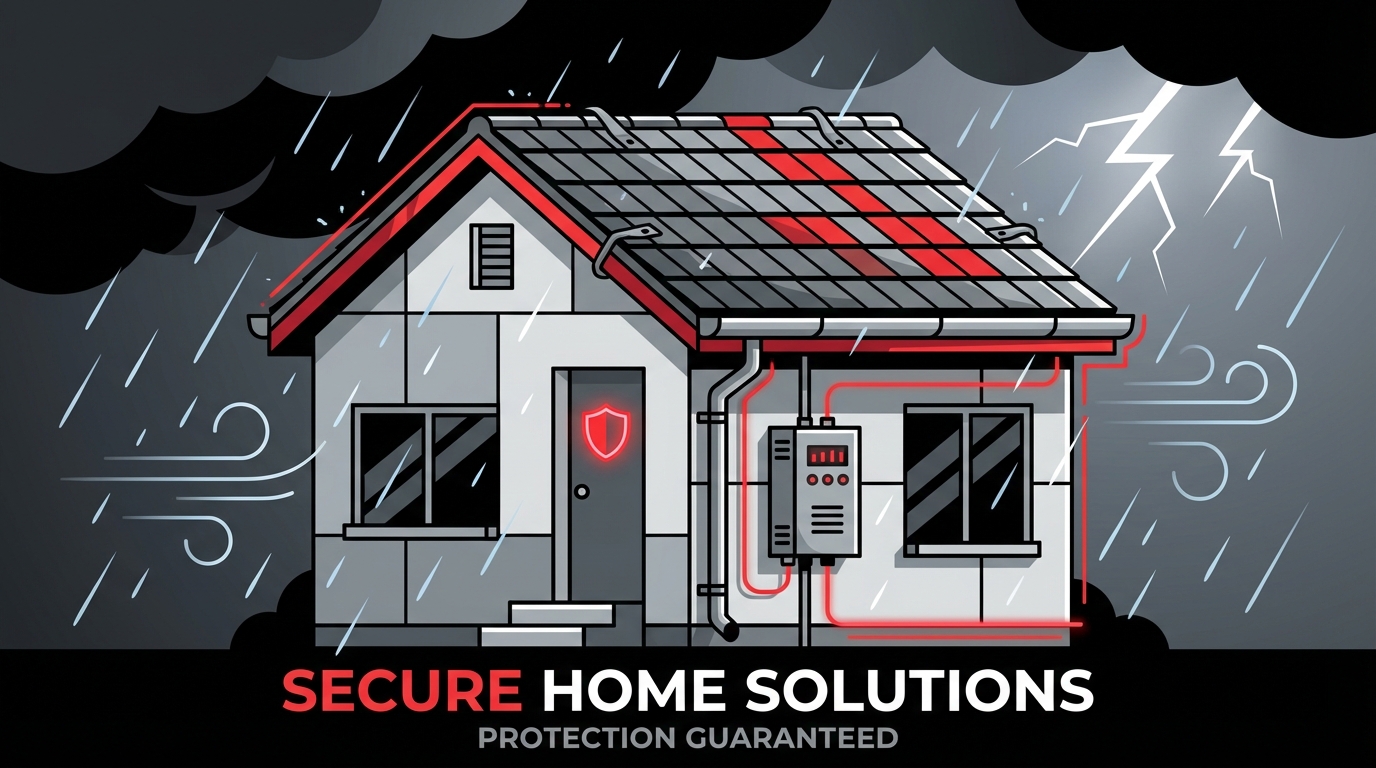
As January 2026 kicks off, Sydney homeowners face a critical window of opportunity: preparing for the approaching storm season. With severe weather events becoming more frequent and intense across New South Wales, proper storm preparation Sydney homes can mean the difference between minor inconvenience and catastrophic damage.
Storm season in Sydney and the Central Coast typically runs from January through March, bringing heavy rainfall, damaging winds, flash flooding, and the potential for significant property damage. According to the Insurance Council of Australia, storm damage accounts for millions of dollars in claims each year, with much of this damage being preventable through proper preparation.
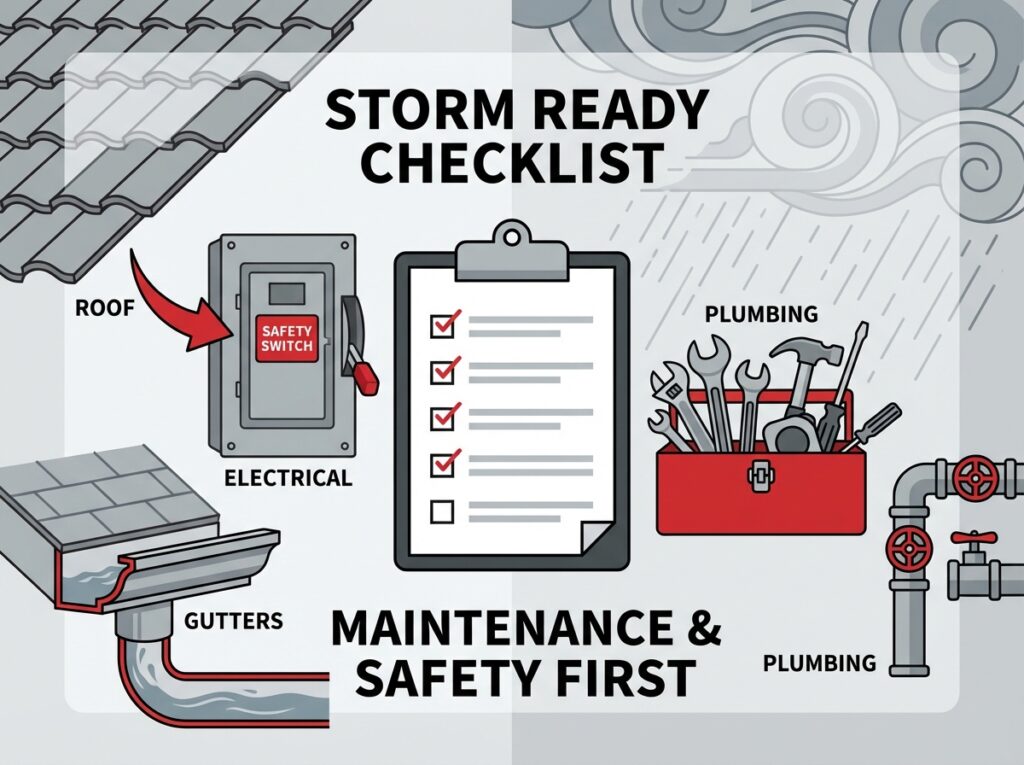
This comprehensive guide provides a complete storm emergency checklist covering three critical areas: plumbing, electrical systems, and roofing. Whether you’re a first-time homeowner or a seasoned property manager, these actionable steps will help you protect your home from storms Sydney residents can expect this season. Let’s ensure your property is ready before the next severe weather warning hits.
Why Storm Preparation is Critical for Sydney Homes
Sydney’s unique geography and climate patterns create perfect conditions for severe storms. The combination of coastal weather systems, urban heat islands, and topographical variations means that storm intensity can vary dramatically even between neighboring suburbs.
Recent years have shown a concerning trend: more frequent extreme weather events, increased rainfall intensity, and flash flooding in areas previously considered low-risk. The Bureau of Meteorology reports that Sydney experiences an average of 20-30 severe storm days annually, with peak activity during the summer months.
From a financial perspective, the cost of prevention pales in comparison to emergency repairs and insurance deductibles. A blocked gutter might cost $200 to clean professionally, but the water damage from overflow during a storm can easily exceed $10,000. Similarly, a pre-storm electrical inspection costing $300 could prevent fire hazards that destroy entire homes.
Insurance considerations also come into play. Many policies have specific clauses regarding preventable damage. If insurers determine that basic maintenance like gutter cleaning or roof repairs were neglected, they may reduce or deny claims. Documented pre-storm inspections and maintenance can protect both your property and your insurance coverage.
Beyond financial implications, storm preparedness is about safety. Electrical hazards, structural failures, and flood risks pose genuine threats to your family’s wellbeing. Taking proactive steps now ensures you won’t face dangerous situations when severe weather strikes.
Understanding Sydney’s Storm Season: What to Expect in 2026
Being prepared starts with understanding what you’re preparing for. Sydney’s storm season has distinct patterns, and 2026 brings its own considerations based on current climate forecasts.
Peak Storm Months in Sydney
January through March represents the peak danger period for Sydney storms, with February typically seeing the highest frequency of severe weather events. During these months, the combination of warm ocean temperatures, atmospheric instability, and moisture-laden air masses creates ideal conditions for storm development.
Summer storms in Sydney often develop rapidly in the afternoon and evening hours. These “pop-up” storms can catch homeowners off guard, with conditions deteriorating from clear skies to severe weather in as little as 30 minutes. This rapid onset makes pre-season preparation absolutely critical—there’s simply no time to react once storms are imminent.
Common Types of Storm Damage
Sydney homes face multiple storm-related threats:
- Heavy rainfall damage: Overwhelmed gutters, roof leaks, and water intrusion through weak points
- Wind damage: Lifted roof tiles, broken branches, damaged fencing, and flying debris
- Flash flooding: Rapidly rising water affecting ground floors, basements, and drainage systems
- Lightning strikes: Electrical system damage, power surges, and fire risks
- Hail damage: Roof punctures, broken windows, and vehicle damage
Understanding these risks helps prioritize your storm preparation efforts and ensures comprehensive protection.
Emergency Plumbing Checklist for Storm Season
Your home’s plumbing and drainage systems form the first line of defense against water damage during storms. Proper preparation can prevent thousands of dollars in damage and protect your property from the most common storm-related issues.
Inspect and Clear Gutters and Downpipes
Blocked gutters are the number one cause of preventable storm damage in Sydney homes. When gutters can’t channel water away effectively, overflow cascades down external walls, pools around foundations, and finds its way inside through any available gap.
Professional gutter cleaning should be completed before storm season begins. This involves removing leaves, debris, and sediment buildup, then testing water flow with a hose. Pay special attention to valley gutters and areas beneath overhanging trees, as these accumulate debris fastest.
Don’t forget downpipes—these vertical channels must be completely clear to handle the volume of water from your roof. A blocked downpipe creates a backup effect, overwhelming gutters even if they’re otherwise clear. Consider installing downpipe guards to prevent future blockages.
Check for Existing Leaks and Weak Points
Pre-existing plumbing issues always worsen during storms. That slow drip becomes a gusher when water pressure increases. That slightly loose pipe connection fails completely when subjected to storm stress.
Conduct a thorough inspection of all visible plumbing, paying attention to:
- Under-sink connections and supply lines
- Hot water system pressure relief valves
- Outdoor taps and hose connections
- Toilet cistern components
- Any areas with previous water staining
Small repairs made now prevent emergency callouts during the storm. Remember, emergency plumbing services during severe weather can be difficult to secure and more expensive due to dangerous working conditions.
Ensure Proper Drainage Systems
Your property’s stormwater drainage system must handle significant volume quickly. Walk your property after light rain to observe how water flows and where it pools. Any low spots or slow-draining areas indicate problems that will become serious during heavy rainfall.
Check that:
- Stormwater drains are clear and flowing freely
- Surface water drains away from your home’s foundation
- No garden beds or landscaping block natural drainage paths
- Driveway and patio drainage directs water appropriately
Tree roots are a common cause of blocked stormwater drains. If you notice slow drainage or gurgling sounds, professional drain inspection with a camera can identify blockages before they cause flooding.
Install Backflow Prevention Devices
In severe flooding conditions, sewerage systems can become overwhelmed, potentially causing contaminated water to back up through household drains. This creates not just property damage but serious health hazards.
Backflow prevention devices install on your main sewer line and automatically close when reverse flow is detected. While not required on all properties, they’re highly recommended for:
- Low-lying properties
- Areas with known flooding history
- Properties in older suburbs with combined stormwater/sewer systems
- Homes with valuable ground-floor or basement areas
Professional plumbers can assess your risk and recommend appropriate backflow protection.
Know Your Water Main Location
In emergency situations, you may need to shut off your home’s water supply quickly. Every household member should know:
- The exact location of the water main shut-off valve
- How to operate it (clockwise to close)
- Where the water meter is located
- Emergency contact numbers for your plumber
Take photos of these locations and share them with family members. In the stress of an emergency, this simple preparation can prevent confusion and additional water damage.
Electrical Safety Checks Before Storms Hit
Electrical hazards during storms pose serious risks including fire, electrocution, and expensive equipment damage. A comprehensive electrical safety check before storm season is essential for protecting both your family and your property.
Test Safety Switches and Circuit Breakers
Safety switches (also called RCDs – Residual Current Devices) are life-saving devices that cut power in milliseconds when they detect electrical faults. Testing these before storm season ensures they’ll function when needed most.
To test your safety switch:
- Locate your switchboard and identify the safety switch (look for a “Test” button)
- Press the test button—power should cut immediately
- Reset the switch by flipping it back to the “ON” position
- If it doesn’t trip instantly or won’t reset, contact a licensed electrician immediately
Safety switches degrade over time, and failure during a storm-related electrical fault could be fatal. This simple test takes seconds but provides critical safety assurance.
Circuit breakers should also be checked for smooth operation. Older or corroded breakers may not trip reliably during overload conditions, creating fire risks during storms.
Inspect Outdoor Electrical Systems
Outdoor electrical components face direct storm exposure and require special attention during preparation:
- Check all outdoor power points for damage, water intrusion, or corrosion
- Ensure weatherproof covers are intact and sealing properly
- Inspect outdoor lighting fixtures for secure mounting and sealed connections
- Examine any external electrical conduits for damage or loose fittings
- Test GFCI outlets (if installed) to ensure proper operation
Pay particular attention to pool and spa electrical systems. These present especially high electrocution risks during storms and should be professionally inspected if you have any concerns.
Consider having surge protection installed on external circuits. This provides an additional layer of protection for outdoor equipment like air conditioning units, pool pumps, and security systems.
Secure Loose Wiring and Connections
Loose or exposed wiring becomes dangerous during storms. Water intrusion into electrical connections can cause short circuits, power surges, and fires.
Areas to inspect include:
- Ceiling spaces where storm damage might expose wiring to water
- Wall cavities near windows and external walls
- Any areas with previous water damage or staining
- Junction boxes and connection points
- Wiring to outbuildings, sheds, and garages
Never attempt electrical repairs yourself unless you’re a licensed electrician. Even seemingly simple fixes can create dangerous situations, especially during wet conditions. Professional electrical inspections cost a fraction of potential damage costs.
Prepare for Power Outages
Storm-related power outages are common across Sydney. Being prepared ensures safety and comfort during blackouts:
- Have working torches with fresh batteries in easily accessible locations
- Consider a portable power bank to charge phones and essential devices
- Know how to manually operate electric garage doors
- Have a battery-powered radio for emergency updates
- Plan for medication requiring refrigeration if you have medical needs
For properties requiring continuous power (medical equipment, business systems, etc.), consider investing in a backup generator or UPS system. These provide automatic power switching during outages.
Protect Valuable Electronics
Power surges during storms can destroy expensive electronics instantly. Lightning strikes and grid fluctuations send voltage spikes through electrical systems, frying sensitive equipment.
Protection strategies include:
- Install quality surge protectors on valuable electronics
- Unplug non-essential devices during severe storm warnings
- Consider whole-house surge protection installed at your switchboard
- Back up important data regularly to cloud storage
- Document valuable items for insurance purposes
High-end electronics like home theatre systems, computers, and smart home hubs are particularly vulnerable. The small investment in surge protection pays for itself by preventing a single device loss.
Roofing and Structural Preparation Checklist
Your roof is your home’s primary defense against storm elements. A well-maintained roof sheds water effectively, withstands wind forces, and protects everything beneath it. Neglected roofs, however, can fail catastrophically during severe weather.
Conduct a Professional Roof Inspection
While homeowners can spot obvious issues, professional roof inspections identify problems invisible from the ground. Qualified roof plumbers and roof specialists know exactly where failures typically occur and what signs indicate vulnerability.
A comprehensive pre-storm roof inspection examines:
- Overall structural integrity and load-bearing capacity
- Roof membrane or sarking condition
- Flashing around chimneys, vents, and roof penetrations
- Valley conditions (where two roof planes meet)
- Ridge capping security
- Signs of previous repairs or patch jobs
Professional inspections typically cost $200-400 but can identify thousands of dollars in potential storm damage before it occurs. Many roofing companies offer free quotes that include basic inspections, making this an accessible option for budget-conscious homeowners.
Replace Damaged or Missing Tiles
Individual broken or missing roof tiles create entry points for massive water volumes during storms. What starts as a small leak becomes structural damage as water penetrates roof spaces and walls.
During dry weather, carefully inspect your roof from ground level using binoculars:
- Look for obviously broken, cracked, or missing tiles
- Check for tiles sitting at odd angles
- Note any visible gaps in tile coverage
- Pay attention to areas that have required previous repairs
Terracotta and concrete tiles can crack from heat stress, impact damage, or simple age. Metal roofing develops corrosion and loose fasteners. All roofing materials eventually degrade and require maintenance.
Tile replacement is relatively affordable when done before emergency situations arise. Emergency roof repairs during or after storms carry premium pricing and long waiting periods.
Trim Overhanging Trees and Branches
Tree-related storm damage is among the most catastrophic and preventable. Large branches breaking during high winds can punch through roofs, damage structure, and create dangerous situations.
Any branch overhanging your roof should be professionally trimmed back. Even healthy branches become hazards during storm conditions—they collect more wind resistance, accumulate weight from rain, and create points of impact if they fail.
Consider the following tree maintenance priorities:
- Branches within 3 meters of your roof
- Dead wood anywhere on your property
- Trees showing signs of disease or structural weakness
- Species known for brittle wood or shallow roots
Professional arborists can assess tree health and recommend appropriate trimming or removal. Many councils have regulations about tree work, so verify requirements before proceeding. The investment in professional tree work is substantially less than roof repair and structural remediation after storm damage.
Secure Loose Roofing Materials
Wind damage often begins with small, loose components becoming projectiles that cause additional damage. A thorough check of all roof-mounted items can prevent cascading failures.
Items requiring security checks:
- Roof-mounted antennas and satellite dishes
- Solar panel mounting systems
- Whirlybird vents and roof ventilators
- Skylights and their surrounding flashings
- Ridge capping and barge capping
- Loose roof sheets or tiles
Any component that moves when manually tested requires immediate attention. High winds will exploit any weakness, potentially ripping away large sections of roofing.
For properties with solar panels, ensure mounting systems are regularly inspected by qualified solar technicians. Panels themselves can become dangerous flying objects if mounting fails.
Check Flashing and Sealants
Roof flashing—the metal strips that seal joints and transitions—is critical for water-tightness. Flashing failures allow water to penetrate behind surface materials, causing damage that’s expensive to remediate.
Pay particular attention to flashing around:
- Chimneys and chimney bases
- Roof valleys
- Wall and roof junctions
- Vent pipes and plumbing penetrations
- Skylight perimeters
- Any roof-to-wall connections
Sealants degrade over time from UV exposure and thermal cycling. Cracked or missing sealant allows water intrusion during storms. Professional roofers can quickly assess and replace failing sealants before they cause leaks.
Modern flashing and sealants have improved dramatically. If your roof is over 15 years old, consider having all flashing and sealants professionally assessed and upgraded.
Creating Your Home Emergency Kit
A well-stocked emergency kit ensures your family can remain safe and comfortable during severe weather and its aftermath. Storms can leave homes without power, water, or safe access for days.
Essential items for your storm emergency kit:
- Drinking water (3 liters per person per day for at least 3 days)
- Non-perishable food supplies
- Battery-powered or hand-crank radio
- Multiple torches with spare batteries
- First aid kit with essential medications
- Important documents in waterproof container (insurance policies, identification, property documents)
- Cash (ATMs may not function during power outages)
- Mobile phone power banks, fully charged
- Basic tools (multi-tool, duct tape, rope)
- Sanitation supplies (toilet paper, garbage bags, personal hygiene items)
Store emergency kits in easily accessible, elevated locations. Ground-level storage may become inaccessible during flooding. Ensure every family member knows where emergency supplies are kept.
Update your kit annually, replacing expired items and adjusting for changing family needs. Include specific provisions for pets, babies, elderly family members, or anyone with special requirements.
Emergency contact information should include:
- Local emergency services (000)
- NSW State Emergency Service (132 500)
- Your insurance company’s emergency line
- WSG Group 24/7 emergency services
- Family members and emergency contacts
- Your doctor and any specialists
During and After the Storm: Emergency Response
Even with perfect preparation, knowing how to respond during and after storms is crucial for safety.
What to Do When a Storm Hits
When severe weather warnings are issued:
- Bring outdoor furniture, potted plants, and loose items inside
- Close all windows and doors securely
- Unplug sensitive electrical equipment
- Stay indoors, away from windows
- Never shelter under trees or in vehicles
- Keep your phone charged for emergency communications
- Monitor weather updates via radio or phone
- Stay away from floodwaters—never walk or drive through flooded areas
If you experience electrical issues, water intrusion, or structural damage during the storm, contact emergency services immediately. Never attempt repairs during active storm conditions—wait for the all-clear.
Post-Storm Safety Checks
After the storm passes, careful assessment prevents injury and identifies urgent repairs:
- Check for electrical damage—look for exposed wires, water near electrical components, or burning smells
- Inspect your roof for visible damage (from the ground only—never climb onto wet roofs)
- Assess for water intrusion and begin drying immediately to prevent mould
- Photograph all damage for insurance documentation
- Check gutters and downpipes for blockages from storm debris
- Inspect trees for damage that might cause delayed failures
If you’re unsure about any electrical, structural, or roofing issues, contact professionals before entering affected areas. Hidden damage can create dangerous situations.
For insurance claims, document everything before beginning cleanup. Take extensive photos and videos, note damaged items, and keep records of all emergency repair expenses.
Why Choose Professional Storm Preparation Services
While homeowners can complete many storm preparation tasks, professional assessments provide expertise and thoroughness that DIY approaches can’t match.
WSG Group’s comprehensive storm preparation services include:
- Complete plumbing system inspections by licensed professionals
- Electrical safety audits and testing
- Professional roof inspections with detailed reporting
- Gutter cleaning and maintenance
- Emergency repair services available 24/7
- Insurance documentation support
With over 75 years of experience serving Sydney and the Central Coast, WSG Group’s team understands exactly what local homes need for effective storm protection. Our professionals spot potential problems before they become emergencies, providing peace of mind throughout storm season.
Pre-storm inspections often identify issues that would otherwise remain hidden until catastrophic failure occurs. Professional documentation also supports insurance claims if damage does occur, demonstrating due diligence in property maintenance.
For comprehensive storm preparation that covers all critical systems, contact WSG Group to schedule your pre-season inspection.
Frequently Asked Questions
Q: When should I complete storm preparation for my Sydney home?
A: Complete all storm preparation tasks by early January, before Sydney’s peak storm season (January-March). This provides adequate time to address any issues discovered during inspections without the pressure of imminent severe weather.
Q: How often should gutters be cleaned before storm season?
A: Clean gutters at least twice annually—once before storm season (December/January) and again in autumn (April/May). Properties with overhanging trees may require more frequent cleaning, potentially quarterly, to prevent blockages during storms.
Q: Can I conduct my own pre-storm roof inspection?
A: Ground-level visual inspections are safe for homeowners, but professional roof inspections are strongly recommended. Professionals identify issues invisible from the ground and can safely access the roof to inspect areas homeowners shouldn’t attempt to reach.
Q: What should I do if I notice electrical issues during a storm?
A: Never attempt to address electrical issues during active storms. If you smell burning, see sparks, or experience electrical problems, shut off power at the main switchboard if safe to do so and evacuate if necessary. Contact emergency services immediately for dangerous situations, then call licensed electricians like WSG Group’s 24/7 emergency team once safe to do so.
Q: Are storm preparation costs covered by insurance?
A: Preventative maintenance typically isn’t covered by insurance—it’s considered a homeowner responsibility. However, proper maintenance and documentation can strengthen insurance claims if storm damage occurs, as it demonstrates due diligence in property care.
Q: How do I know if my property is at high risk for storm damage?
A: High-risk indicators include: low-lying locations, flood zone designations, older roofing materials, large trees near structures, previous storm damage history, and properties in areas with known drainage issues. Professional assessments can evaluate your specific risk factors.
Conclusion
Storm season 2026 is already upon us, and Sydney homeowners have a brief but critical window to prepare. The comprehensive storm preparation checklist outlined in this guide covers the three most vulnerable systems in your home: plumbing, electrical, and roofing.
Taking action now—clearing gutters, testing safety switches, inspecting your roof, and preparing emergency kits—protects your property from the most common and costly storm damage. More importantly, it protects your family’s safety during severe weather events.
Remember that professional assessments often identify problems that homeowners miss. The relatively small investment in pre-storm inspections and maintenance can prevent thousands of dollars in emergency repairs and insurance deductibles.
Don’t wait for severe weather warnings to take action. By then, it’s too late to adequately prepare, and emergency services become overwhelmed with urgent calls. Schedule your storm preparation assessment today and face this storm season with confidence.
WSG Group provides comprehensive storm preparation services across Sydney and the Central Coast, with 24/7 emergency response when you need it most. Our experienced team of licensed plumbers, electricians, and roofing specialists can assess your property’s readiness and complete necessary preparations before severe weather arrives.
Contact WSG Group today to schedule your pre-storm season inspection. Protect your home, protect your family, and enjoy peace of mind throughout storm season.
Ready to protect your home this storm season? Contact WSG Group for professional storm preparation services. Call us 24/7 for emergency assistance or schedule your pre-season inspection today.