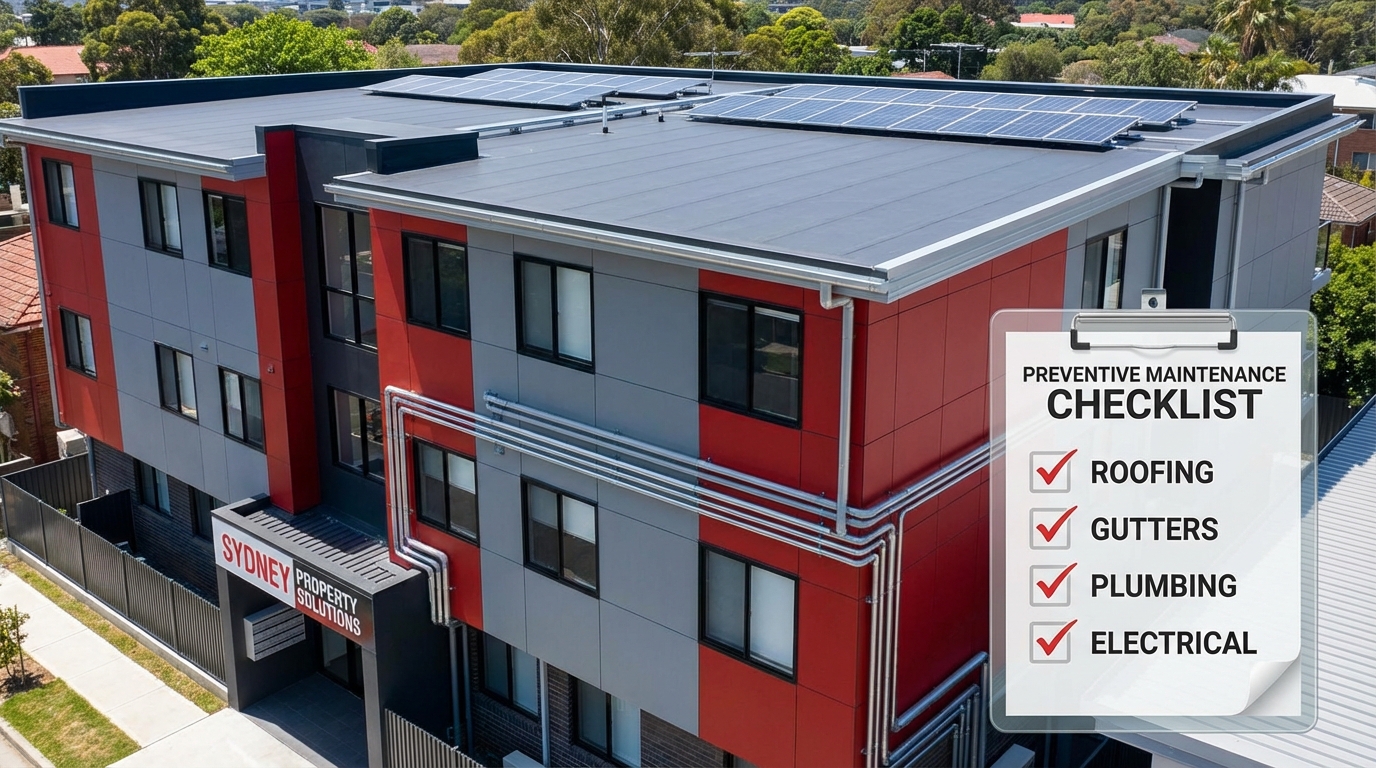
As we step into 2026, property managers and landlords across Sydney and the Central Coast face mounting pressure to maintain investment properties to increasingly strict standards. With new NSW compliance requirements, rising tenant expectations, and the financial stakes of deferred maintenance higher than ever, having a robust property maintenance Sydney strategy isn’t just good practice—it’s essential for protecting your investment.
Whether you’re managing a portfolio of residential units or overseeing commercial properties, the difference between a profitable investment and a costly liability often comes down to one factor: preventive maintenance. Recent data shows that proactive property maintenance can reduce emergency repair costs by up to 40% while significantly extending the lifespan of critical systems like plumbing, electrical infrastructure, and roofing.
At WSG Group, we’ve been supporting property managers and landlords since 1947, delivering expert plumbing, electrical, and roofing services across Sydney and the Central Coast. This comprehensive guide leverages our 70+ years of industry experience to help you develop a maintenance strategy that protects property value, ensures tenant satisfaction, and keeps you compliant with all NSW regulations.
Why Preventive Property Maintenance Matters More Than Ever in 2026
The landscape of property management in Sydney has evolved dramatically. Gone are the days when reactive maintenance—fixing things only when they break—was acceptable. Today’s property managers must embrace preventive maintenance to stay competitive and compliant.
The True Cost of Deferred Maintenance
When property managers delay routine maintenance to save short-term costs, they inadvertently create a cascade of expensive problems. A simple blocked drain left unattended can escalate into extensive water damage affecting walls, flooring, and even structural elements. An electrical fault ignored during routine inspections might result in complete system failure, leaving tenants without power and exposing you to liability claims.
Research from Australian property management associations indicates that every dollar invested in preventive maintenance saves approximately $3-5 in emergency repairs. For a typical investment property in Sydney, this translates to thousands of dollars in annual savings.
Compliance and Legal Obligations
NSW legislation places clear responsibilities on property owners and managers. Under the Residential Tenancies Act 2010, landlords must ensure rental properties meet minimum habitability standards, including functional plumbing, safe electrical systems, and weather-tight roofing. Failure to maintain these systems can result in:
- Tribunal orders compelling immediate repairs
- Rent reduction claims from tenants
- Compensation payments for tenant inconvenience
- Potential fines for non-compliance with safety regulations
- Increased insurance premiums or policy cancellations
Preventive maintenance isn’t just about avoiding breakdowns—it’s about fulfilling your legal duty of care to tenants while protecting your financial interests.
Essential Plumbing Maintenance for Investment Properties
Quarterly Plumbing Inspections
Professional plumbing inspections should occur at minimum every three months, particularly for older properties or high-occupancy buildings. During these inspections, licensed plumbers examine:
- All visible pipes for leaks, corrosion, or damage
- Water pressure levels throughout the property
- Hot water systems for proper function and safety
- Toilet flush mechanisms and seals
- Tap washers and fixtures
- External drainage points and stormwater systems
Early detection of issues like minor leaks or slow drains allows for simple, affordable repairs rather than emergency callouts that disrupt tenants and drain maintenance budgets.
Annual Drain Cleaning and CCTV Inspections
Blocked drains represent one of the most common emergency plumbing calls property managers receive. Tree root intrusion, accumulated debris, and structural issues can develop gradually before causing complete blockages.
Annual preventive drain maintenance should include:
- High-pressure water jetting to clear buildup
- CCTV drain camera inspections to identify developing issues
- Root barrier treatments for properties with problematic trees
- Repair or replacement of damaged pipe sections before they fail
For properties in Sydney’s older suburbs with established trees, more frequent drain inspections (every 6 months) may be warranted to prevent costly emergency blockages.
Hot Water System Servicing
Hot water system failures cause significant tenant dissatisfaction and often occur at the most inconvenient times. Different systems require different maintenance schedules:
- Electric Hot Water Systems: Annual inspection of heating elements, thermostat function, and pressure relief valves. Expected lifespan: 10-15 years.
- Gas Hot Water Systems: Annual inspection by licensed gas fitters, checking burner operation, pilot light, gas connections, and ventilation. Expected lifespan: 10-12 years.
- Solar Hot Water Systems: Bi-annual inspections of panels, pumps, controllers, and backup heating elements. Expected lifespan: 15-20 years with proper maintenance.
Regular servicing not only prevents failures but ensures energy efficiency, reducing utility costs and supporting your property’s environmental credentials.
Electrical Safety and Compliance Requirements
Electrical safety in rental properties is non-negotiable. Faulty electrical systems pose serious risks including fire, electrocution, and property damage. NSW legislation mandates specific electrical safety requirements for rental properties, and property managers bear responsibility for ensuring compliance.
Mandatory Electrical Safety Checks
Every rental property in NSW must have:
- Working smoke alarms on each level (interconnected in properties built after 2006)
- Safety switches (RCDs) on all power and lighting circuits
- Compliant switchboards meeting current Australian Standards
- Proper earthing and circuit protection
- Safe, accessible electrical outlets and fixtures
Electrical Inspections
Licensed electricians should conduct thorough inspections every two years, examining:
- Switchboard condition and circuit breaker function
- Safety switch operation and response times
- Electrical outlet security and damage
- Light fixture safety and bulb types
- Appliance testing for provided electrical items
- External wiring and weather head integrity
- Overall system load capacity
These inspections identify deteriorating components before they fail, ensuring tenant safety and your compliance with insurance requirements.
Common Electrical Issues in Investment Properties
Older investment properties often present electrical challenges requiring proactive management:
- Outdated wiring: Pre-1990s properties may have wiring that doesn’t meet current standards
- Insufficient power capacity: Modern appliances demand more electricity than older systems can safely provide
- Worn outlets and switches: High-use items deteriorate and create fire risks
- Inadequate outdoor lighting: Security and safety concerns in common areas
- Missing or non-functional safety switches: Critical safety compliance gaps
Addressing these issues through planned upgrades prevents emergency situations and demonstrates duty of care to tenants.
Roofing and Gutter Maintenance Essentials
Sydney’s weather patterns—from summer storms to winter rain—place constant demands on property roofing systems. Water ingress from roof failures can cause catastrophic damage to investment properties, affecting multiple tenants and creating extensive repair costs.
Bi-Annual Roof Inspections
Professional roof inspections should occur twice yearly, ideally in early spring (before storm season) and late autumn (after summer heat). Licensed roofers examine:
- Tile or sheet condition, identifying cracks, breaks, or displacement
- Flashing around chimneys, vents, and roof penetrations
- Valley integrity where roof planes intersect
- Ridge capping security and seal integrity
- Gutter and downpipe attachment and condition
- Evidence of water pooling or inadequate drainage
Quarterly Gutter Cleaning
Blocked gutters represent one of the most preventable causes of water damage in investment properties. Leaves, debris, and bird nests accumulate rapidly, particularly in areas with mature trees.
Professional gutter cleaning every three months (or more frequently for heavily tree-affected properties) prevents:
- Water overflow damaging fascias, walls, and foundations
- Pest infestations in accumulated organic material
- Additional weight stress potentially damaging gutter attachments
- Ice formation in gutters during cold snaps (for elevated properties)
WSG Group’s gutter vacuuming services safely remove all debris while inspecting for corrosion, leaks, or structural issues that require attention.
Storm Damage Response
After severe weather events, immediate roof inspections are essential. Even minor storm damage—a few displaced tiles or damaged flashing—can quickly escalate into major leaks during subsequent rain. Prompt professional assessment and repairs protect your property and demonstrate responsible property management to tenants and insurers.
Creating Your Annual Property Maintenance Schedule
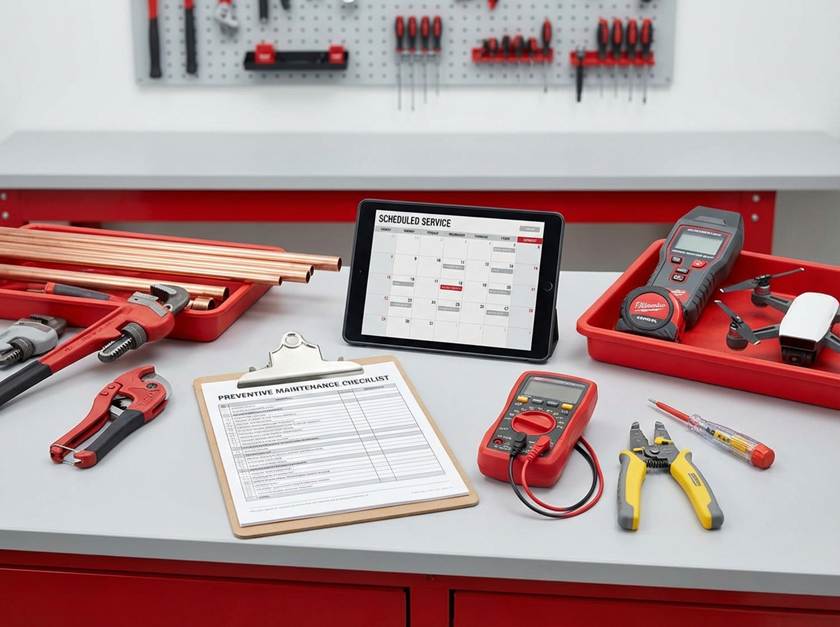
Successful property managers don’t react to maintenance issues—they prevent them through systematic scheduling. A comprehensive annual maintenance calendar ensures nothing falls through the cracks while distributing costs predictably across the year.
January-March: Post-Holiday Assessment
- Comprehensive property inspections following holiday tenant usage
- Hot water system checks before autumn/winter demand increases
- Garden and external area tidying after summer growth
- Storm season preparation for approaching autumn weather
April-June: Pre-Winter Preparation
- Heating system testing and servicing
- Roof and gutter inspection and cleaning before winter rains
- Plumbing checks for winter pressure changes
- Electrical safety verification including safety switches
July-September: Mid-Year Deep Maintenance
- Drainage system assessment during wet weather
- Internal plumbing fixture inspections
- Hot water system performance verification during high-demand season
- External lighting and security system checks (earlier darkness)
October-December: Pre-Summer Preparation
- Air conditioning servicing before summer heat
- Electrical system capacity checks (summer cooling loads)
- Roof inspection and repair completion before storm season
- Final gutter cleaning before summer leaf fall
This systematic approach transforms maintenance from reactive crisis management into proactive property protection. Property managers using comprehensive scheduling report:
- 60% reduction in emergency callouts
- Higher tenant retention rates
- Better relationships with service providers
- More predictable maintenance budgets
- Improved property condition reports
Choosing Licensed, Reliable Service Providers
The quality of your maintenance outcomes depends entirely on the service providers you engage. For property managers overseeing multiple properties, establishing relationships with reliable, licensed contractors is fundamental to operational success.
Essential Contractor Qualifications
Never compromise on licensing and insurance. Every contractor performing work on your investment properties must hold:
- Current trade licenses specific to their work type
- Comprehensive public liability insurance (minimum $10 million coverage)
- Workers compensation insurance for their employees
- Professional indemnity insurance for design work or advice
- Compliance with Australian Standards and NSW regulations
WSG Group maintains all required licenses and insurances, providing property managers with documentation for compliance records.
The Value of 24/7 Emergency Service
Plumbing, electrical, and roofing emergencies don’t respect business hours. Burst pipes at 2 AM, power failures on weekends, and storm damage on public holidays require immediate professional response.
Property managers partnering with service providers offering genuine 24/7 emergency coverage benefit from:
- Rapid response minimizing property damage
- Reduced tenant distress and satisfaction complaints
- Protection against legal claims for delayed emergency responses
- Single point of contact for all after-hours issues
- Consistent service quality regardless of timing
Building Long-Term Service Relationships
The most successful property managers establish ongoing relationships with trusted contractors rather than seeking the cheapest quote for each job. Benefits of consistent service providers include:
- Familiarity with your specific properties and their systems
- Priority scheduling for routine and emergency work
- Streamlined invoicing and reporting for multiple properties
- Better pricing through volume relationships
- Consistent quality and accountability
Since 1947, WSG Group has built our reputation on being the reliable partner property managers trust for all plumbing, electrical, and roofing needs across Sydney and the Central Coast.
Documentation and Record-Keeping Best Practices
Comprehensive maintenance documentation protects property managers legally, supports insurance claims, demonstrates compliance, and provides valuable data for property performance analysis.
Essential Maintenance Records
Maintain detailed records of all maintenance activities including:
- Service dates and contractor details
- Detailed work descriptions and materials used
- Compliance certificates and safety documentation
- Before and after photographs for significant work
- Invoices and payment records
- Warranty documentation for repairs and installations
- Tenant communication regarding maintenance
- Emergency response timelines and outcomes
Digital Documentation Systems
Modern property management software enables efficient record-keeping with:
- Cloud storage accessible from anywhere
- Automatic maintenance scheduling reminders
- Contractor performance tracking
- Budget monitoring and reporting
- Tenant portal communication records
- Compliance certificate expiry alerts
Legal Protection Through Documentation
In disputes regarding property condition, maintenance timing, or compliance obligations, comprehensive records provide essential protection. Documentation demonstrates:
- Fulfillment of landlord maintenance obligations
- Reasonable timeframes for addressing reported issues
- Professional standards maintained throughout tenancies
- Compliance with building and safety regulations
- Appropriate response to emergency situations
Property managers who maintain excellent records spend less time dealing with tribunal proceedings and more time managing profitable properties.
Cost Management and Maintenance Budgeting
Effective property maintenance requires realistic budgeting that balances necessary investment with financial returns. Property managers must help owners understand that maintenance isn’t an expense—it’s an investment in asset protection and value retention.
Annual Maintenance Budget Guidelines
Industry recommendations suggest allocating 1-2% of property value annually for maintenance and repairs. For a $1 million Sydney investment property, this represents $10,000-$20,000 per year. Older properties or those in harsh coastal environments may require budgets toward the higher end.
Budget allocation by category typically follows:
- Plumbing: 30-35% (includes hot water, drainage, and fixtures)
- Electrical: 20-25% (includes safety compliance and upgrades)
- Roofing and gutters: 15-20% (includes cleaning and repairs)
- HVAC and appliances: 15-20% (heating, cooling, ventilation)
- General repairs and painting: 10-15% (cosmetic maintenance)
Emergency Reserve Funds
Beyond regular maintenance budgets, property managers should establish emergency reserve funds covering 3-6 months of potential major repairs. These reserves provide financial security for unexpected situations like:
- Complete hot water system replacement
- Emergency roof repairs after storm damage
- Electrical switchboard upgrades required by authorities
- Extensive plumbing repairs from blocked drains
- Appliance replacements in furnished properties
Return on Maintenance Investment
Well-maintained properties deliver measurable financial benefits:
- Higher rental yields: Tenants pay premium rents for well-maintained properties
- Lower vacancy rates: Quality properties attract and retain tenants
- Reduced emergency costs: Preventive maintenance costs less than reactive repairs
- Better capital growth: Maintained properties appreciate more reliably
- Lower insurance premiums: Proactive maintenance reduces claims and demonstrates risk management
Property managers who articulate these benefits help owners understand that comprehensive maintenance strategies directly enhance investment returns.
Protecting Your Investment Starts with Professional Maintenance
As we navigate 2026, the property management landscape continues evolving toward higher standards, greater compliance requirements, and elevated tenant expectations. Property managers and landlords who embrace comprehensive, preventive maintenance strategies position their investment properties for long-term success.
The difference between a thriving investment property and a financial liability often comes down to maintenance philosophy. Reactive approaches that defer maintenance to cut costs inevitably result in emergency repairs, tenant dissatisfaction, and diminished property values. Proactive strategies built on regular inspections, scheduled servicing, and immediate attention to developing issues protect property values while ensuring compliance and tenant satisfaction.
At WSG Group, our 70+ years serving Sydney and Central Coast property managers have taught us that successful property maintenance requires three elements: expert professional service, systematic scheduling, and responsive emergency support. We provide all three, offering property managers a single trusted partner for all plumbing, electrical, and roofing needs.
Ready to Protect Your Investment Properties?
Whether you manage a single investment property or oversee an extensive portfolio, WSG Group delivers the professional maintenance services you need to succeed. Our licensed, insured team provides:
- Comprehensive plumbing services from routine maintenance to emergency repairs
- Complete electrical services ensuring safety and compliance
- Expert roofing and gutter services protecting properties from weather damage
- 24/7 emergency response when urgent issues arise
- Upfront pricing and transparent communication
- Detailed documentation supporting your compliance requirements
Contact WSG Group today at 1800 186 597 to schedule a comprehensive property assessment. Let us help you develop a maintenance strategy that protects your investment, satisfies your tenants, and delivers lasting peace of mind throughout 2026 and beyond.