

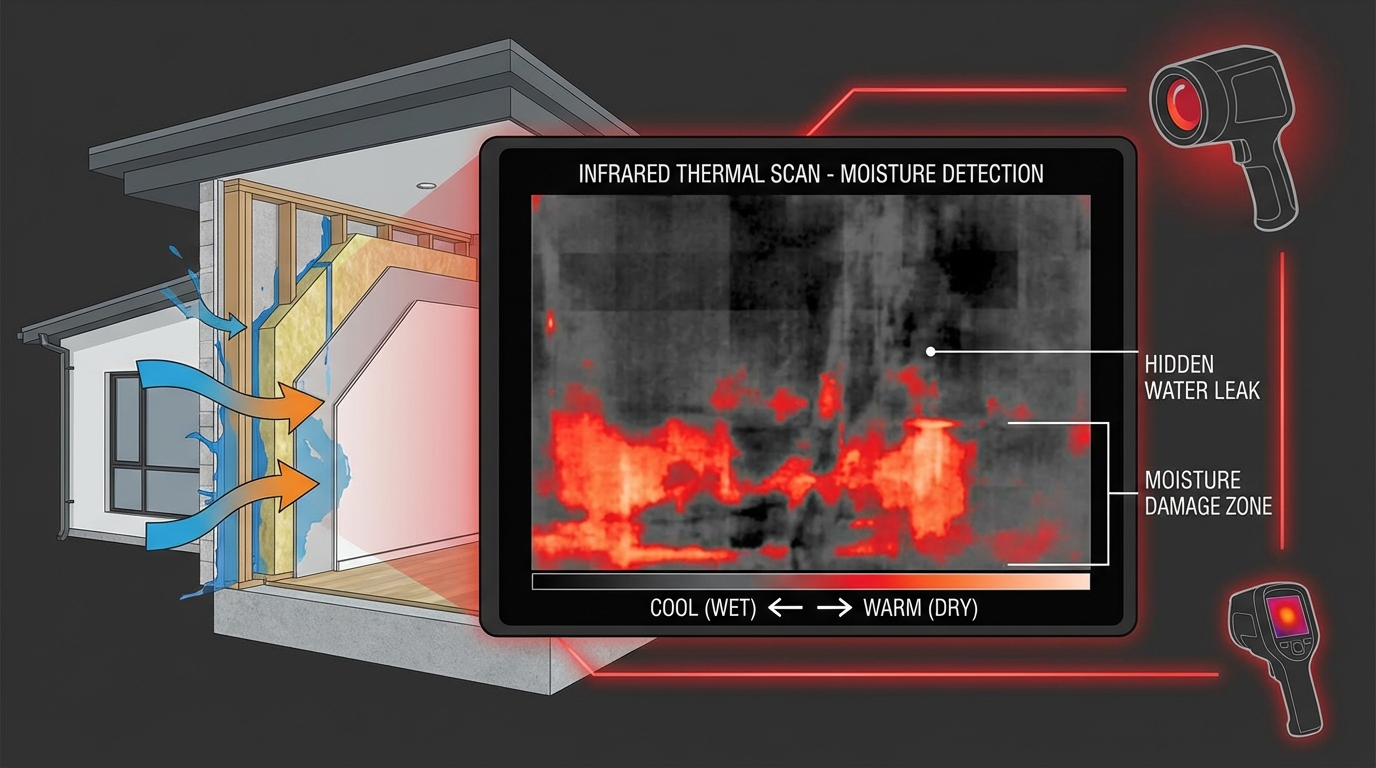
Every year, thousands of Sydney homeowners face an invisible threat that silently destroys property value, triggers insurance complications, and drains bank accounts: hidden water damage. As autumn 2026 settles across Sydney and the Central Coast, the seasonal transition from summer’s extreme heat to cooler, wetter months creates the perfect storm for undetected moisture intrusion.
Unlike dramatic burst pipes or obvious ceiling leaks, silent water leaks operate in the shadows—behind walls, beneath concrete slabs, within roof cavities, and under bathroom tiles. By the time visible signs appear, the damage has often reached catastrophic levels, with repair costs escalating from hundreds to tens of thousands of dollars.
Recent industry data reveals that hidden water damage accounts for over 37% of all home insurance claims in NSW, with the average claim exceeding $30,000 in 2026. More alarmingly, Sydney Water reports that undetected leaks waste approximately 180 litres per household per day—enough to fill a bathtub twice over—translating to annual water bill increases of $800-$1,400 for affected homes.
This comprehensive guide provides Sydney homeowners, property managers, and commercial building operators with expert-validated hidden water damage detection methods, cost-saving prevention strategies, and clear guidance on when DIY monitoring transitions to professional intervention. Whether you’re conducting routine autumn maintenance or investigating suspicious moisture patterns, this article equips you with the knowledge to protect your most valuable investment.
Why Autumn 2026 Is Critical for Hidden Leak Detection in Sydney
Autumn represents a pivotal maintenance window for Sydney properties. After months of summer heat causing thermal expansion and contraction in plumbing systems, followed by increased water usage for irrigation and cooling, your home’s infrastructure has been stressed. The seasonal transition brings:
- Temperature Fluctuations: Daily temperature swings between 12°C nights and 24°C days cause pipe materials to expand and contract, potentially compromising aging joints and connections.
- Increased Rainfall: Sydney’s autumn months (March-May) deliver 30-40% more precipitation than summer, saturating soil around foundations and exposing compromised roofing and gutter systems.
- Pre-Winter Preparation: Addressing leaks now prevents compound damage during winter, when moisture combined with lower temperatures accelerates mould growth and structural deterioration.
- Insurance Compliance: Many home insurance policies require evidence of “reasonable preventative maintenance.” Documented autumn inspections demonstrate due diligence, potentially affecting claim outcomes.
Sydney Water’s hidden leak allowance program—which can credit back up to 100% of excess water charges for verified hidden leaks—operates on a financial year calendar. Identifying leaks before June 30, 2026 maximizes potential rebates and positions homeowners advantageously for the new financial year.
The True Cost of Hidden Water Damage: Beyond the Water Bill
Understanding the financial impact of undetected leaks extends far beyond elevated water bills:
Direct Water Costs: A pinhole leak (1mm diameter) running continuously wastes approximately 50 litres per day—$180-$250 annually at Sydney Water rates. A concealed toilet leak can waste 200-400 litres daily, costing $700-$1,500 per year.
Structural Repair Costs:
- Ceiling water damage repair: $1,800-$4,500
- Wall cavity moisture remediation: $2,500-$6,000
- Slab leak repair (excavation method): $4,000-$12,000
- Slab leak repair (epoxy lining method): $3,000-$8,000
- Foundation water damage: $8,000-$25,000+
Mould Remediation: Professional mould removal ranges from $500-$6,000 depending on contamination extent, with severe cases requiring complete room strip-outs.
Property Value Impact: Undisclosed water damage discovered during pre-sale building inspections typically reduces property values by 3-7%, equating to $30,000-$70,000 on Sydney’s median house price of $1.1 million.
Insurance Implications: Claims denied due to “gradual damage” or “lack of maintenance” leave homeowners personally liable for all repair costs. Insurance premiums may increase 15-30% following water damage claims.
Health Costs: Prolonged moisture exposure creates ideal conditions for toxic mould species. Health impacts include respiratory complications, allergic reactions, and exacerbated asthma—with associated medical expenses and potential workplace absenteeism.
The cumulative cost of a single undetected leak over 12-18 months can easily exceed $15,000-$40,000 when accounting for all factors.
12 Warning Signs of Hidden Water Leaks Every Sydney Homeowner Must Know
Early detection is your most powerful defense against catastrophic water damage. Familiarise yourself with these critical warning signs:
Visual Indicators
- Unexplained Water Stains: Yellow, brown, or copper-colored ceiling or wall discoloration, particularly after dry weather periods
- Peeling or Bubbling Paint: Moisture beneath paint surfaces causes adhesion failure and bubbling texture
- Warped Flooring: Timber floors cupping, laminate lifting at seams, or tiles becoming loose without impact damage
- Efflorescence: White, chalky mineral deposits on concrete or brick surfaces indicating moisture migration
- Mould Growth: Black, green, or white patches in unusual locations (not typical bathroom/kitchen condensation areas)
Auditory & Olfactory Signs
- Running Water Sounds: Hissing, dripping, or flowing water noises when all fixtures are off, particularly audible at night
- Musty Odours: Persistent damp, earthy, or mildew smells that don’t resolve with ventilation or cleaning
Performance & Utility Anomalies
- Water Bill Spikes: Increases of 20%+ without corresponding usage changes (Sydney Water average: $180-$250/quarter for 3-person household)
- Water Meter Movement: Meter continues registering flow with all taps, appliances, and irrigation systems completely off
- Reduced Water Pressure: Gradual pressure decline suggesting water escaping before reaching fixtures
- Warm Floor Spots: Isolated warm areas on concrete slabs indicating hot water line leaks beneath
- Foundation Cracks: New or expanding cracks in foundation walls or basement floors, potentially caused by water-induced soil movement
DIY Hidden Leak Detection Methods: Step-by-Step Homeowner Guide
Before engaging professional services, homeowners can conduct preliminary assessments using these proven detection techniques:
Method 1: The Water Meter Isolation Test (Accuracy: 95%)
Equipment Needed: None (basic observation)
Step-by-Step Process:
1. Locate Your Water Meter: Typically found in a concrete box near the front boundary of Sydney properties, marked “Sydney Water” or “Water Meter”
2. Document Starting Position: Note the exact meter reading, including the flow indicator (small triangular dial or rotating wheel)
3. Complete System Shutdown: Turn off ALL water-using appliances:
- Close all taps (interior and exterior)
- Turn off dishwashers, washing machines, hot water systems
- Disable irrigation/sprinkler systems
- Ensure toilets aren’t running (add food colouring to tanks; if color appears in bowl without flushing, valve is faulty)
4. Conduct 2-Hour Test: Do not use ANY water for minimum 2 hours (overnight testing 8-10pm to 6-8am provides most reliable results)
5. Inspect Meter Results:
- LEAK PRESENT: If meter reading has changed or flow indicator moved, water is escaping somewhere on your property
- NO LEAK: Meter reading unchanged and flow indicator stationary indicates no continuous leaks (note: intermittent leaks may still exist)
6. Quantify Leak Rate: Calculate litres lost per hour by dividing meter change by hours elapsed. Losses exceeding 5 litres/hour warrant immediate professional investigation.
Interpretation: This test identifies leaks between the meter and all interior fixtures, covering approximately 80% of common leak locations in Sydney homes.
Method 2: Comprehensive Visual Inspection Protocol
Equipment Needed: Torch/flashlight, camera/smartphone for documentation
Inspection Zones:
Bathrooms & Laundry (40% of household leaks originate here):
- Check beneath sinks for moisture, corrosion, or mineral deposits
- Inspect toilet base seals for water pooling or discoloration
- Examine shower screen tracks and grout lines for compromised sealing
- Feel walls adjacent to showers for unexpected moisture or temperature differences
Kitchen:
- Inspect under-sink cabinetry for water stains or mould
- Check dishwasher connections and floor beneath appliance
- Examine refrigerator water line connections (if applicable)
Roof Space/Ceiling Cavity:
- Look for water staining on roof timber, insulation, or ceiling plasterboard
- Identify daylight penetration indicating compromised roof integrity
- Check around vent pipes and plumbing penetrations
External Perimeter:
- Inspect foundation walls for moisture staining or efflorescence
- Check soil moisture levels near foundation (unusually wet patches)
- Examine garden areas for inexplicably lush vegetation (may indicate underground leak)
- Verify downpipes discharge away from building foundations
Hot Water System:
- Check pressure relief valve for continuous dripping (normal to drip during heating cycles; continuous flow indicates fault)
- Inspect tank base for corrosion or moisture
- Check all visible pipe connections for dampness
Method 3: Toilet Flush Valve Leak Test
Toilet leaks are among the most common and wasteful hidden leaks, often wasting 200-400 litres daily.
The Food Colouring Test:
1. Remove toilet tank lid
2. Add 10-15 drops of food colouring (any dark color) to tank water
3. Do NOT flush for 30 minutes
4. After 30 minutes, inspect toilet bowl water:
• Color present in bowl = LEAK: Flush valve is compromised, allowing tank water to continuously seep into bowl
• Clear bowl water = NO LEAK: Flush valve is sealing properly
Cost Impact: A leaking toilet costs $700-$1,500 annually in wasted water. Replacement flush valves cost $15-$40 and take 20 minutes to install, offering 3,000%-7,500% return on investment.
Professional Leak Detection Technologies: When DIY Is Not Enough
When DIY methods confirm a leak exists but cannot pinpoint location, or when high-stakes situations demand certainty before invasive repairs, professional leak detection services employ advanced technologies:
Acoustic Leak Detection (Ground Microphones & Listening Devices)
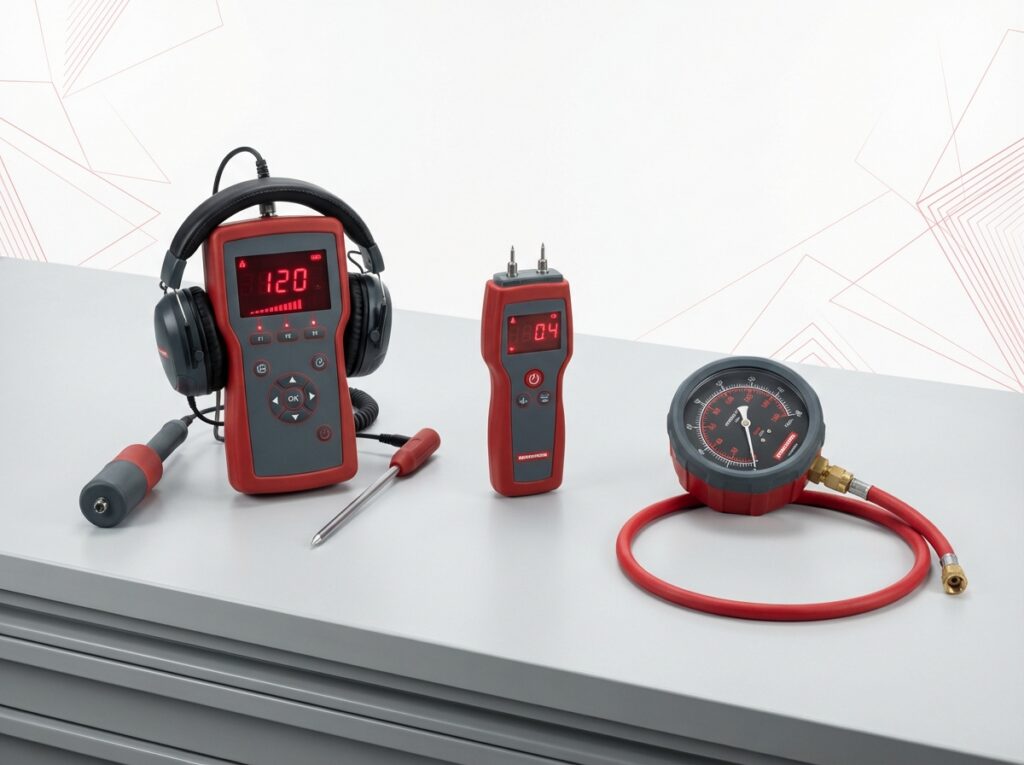
How It Works: Pressurized water escaping from pipes creates distinctive high-frequency sounds (vibrations) that travel through pipe materials and surrounding structures. Professional-grade acoustic equipment amplifies and filters these sounds, allowing technicians to pinpoint leak locations with accuracy to within 30-60cm.
Best Applications:
- Underground water main leaks
- Concrete slab leaks (beneath foundations)
- Leaks within wall cavities
- Pool and spa plumbing leaks
Accuracy Rate: 85-95% for metallic pipes; 70-85% for plastic pipes (PVC, PEX) which conduct sound less efficiently
Cost: $168-$440 for initial detection service in Sydney (2026 rates)
Advantages: Non-invasive, no property damage, highly effective for pressurized water systems
Limitations: Requires water pressure in system; less effective in noisy environments or with very slow leak rates below detection threshold
Thermal Imaging (Infrared Camera Detection)
How It Works: Thermal imaging cameras detect infrared radiation (heat) emitted by objects, visualizing temperature differences as color gradients. Water leaks create thermal anomalies—cooler zones where evaporation occurs, or warmer zones in hot water system leaks—making leak locations visible on thermal images.
Best Applications:
- Roof leaks and moisture intrusion
- Hot water system leaks
- Radiant floor heating leaks
- Wall cavity moisture detection
- Identifying moisture extent for remediation planning
Accuracy Rate: 80-90% for active leaks; requires temperature differential between wet and dry areas
Cost: $300-$600 as part of comprehensive leak detection service
Advantages: Non-destructive, provides visual documentation for insurance claims, identifies moisture extent beyond leak source
Limitations: Cannot detect leaks at same temperature as surrounding materials; requires temperature differential of typically 2-3°C; surface scanning only (cannot see deep within structures)
Hydrostatic Pressure Testing
How It Works: Plumbing systems are isolated and pressurized beyond normal operating pressure (typically 150-200 kPa). Pressure gauges monitor system pressure over 30-60 minutes. Pressure drops indicate leaks; stable pressure confirms system integrity.
Best Applications:
- New construction pre-handover verification
- Pre-purchase building inspections
- Verifying repair completeness
- Isolating leak zones in complex systems
Accuracy Rate: 98-100% for confirming leak presence (though doesn’t identify exact location)
Cost: $250-$500 as standalone service; often included in comprehensive assessments
Advantages: Definitively confirms or rules out leaks; identifies weak points before failure occurs
Limitations: Requires system isolation (temporary water shutdown); doesn’t pinpoint specific leak location
Moisture Meters & Hygroscopic Sensors
How It Works: Electronic moisture meters use electrical conductivity or radio frequency to measure moisture content in building materials (wood, drywall, concrete, masonry). Readings above baseline indicate moisture presence.
Best Applications:
- Confirming moisture in walls, floors, ceilings
- Mapping moisture spread patterns
- Monitoring drying effectiveness during remediation
- Post-repair verification
Accuracy Rate: 90-95% for moisture presence; cannot determine moisture source
Cost: Often included in leak detection service; standalone moisture surveys $180-$350
Advantages: Immediate results, portable, non-destructive
Limitations: Detects moisture presence, not leak source; requires skilled interpretation to distinguish leak moisture from condensation or external weather-related dampness
When to Call Professional Leak Detection Services Decision Framework
Navigate the DIY-versus-professional decision with this clear framework:
CALL PROFESSIONALS IMMEDIATELY When:
- Water meter test confirms leak but visual inspection reveals no obvious source
- Water bill increases by 30%+ without explanation
- Multiple warning signs present simultaneously (moisture + sounds + bill spike)
- Mould appears in unusual locations or spreads rapidly
- Foundation cracks appear or worsen, especially with moisture presence
- Pre-purchase building inspection before property purchase
- Insurance claim documentation requires professional verification
- Suspected slab leak (beneath concrete foundation)
- Commercial property compliance audits
- Post-renovation leak verification before closing walls/ceilings
ATTEMPT DIY FIRST When:
- Single, minor symptom without financial impact
- Periodic toilet running sounds (likely simple flush valve replacement)
- Small, localized ceiling stain after recent heavy rain (roof inspection)
- Minor tap dripping (washer replacement)
- Routine preventative maintenance inspection
Autumn Water Damage Prevention Strategies for Sydney Properties
Proactive maintenance dramatically reduces hidden leak probability and associated costs:
Seasonal Maintenance Tasks (Autumn-Specific)
- Gutter & Downpipe Cleaning: Remove summer debris accumulation before autumn rainfall overwhelms blocked systems ($150-$300 professional service)
- Roof Inspection: Identify and repair damaged tiles, compromised flashing, or penetration seals before winter rains ($250-$450 for comprehensive inspection)
- Hot Water System Service: Annual professional inspection catches minor issues before catastrophic failures ($180-$280)
- Plumbing System Pressure Check: Verify system operates within safe pressure ranges (excessive pressure accelerates wear)
- Garden Irrigation Audit: Repair or replace damaged sprinkler heads, check zone valves, verify proper drainage away from foundations
- Sealant Inspection: Check and refresh silicone seals around showers, baths, sinks (DIY: $15-$30; professional: $150-$350)
Long-Term Preventative Investments
- Smart Water Monitoring Systems: Devices like Flume, Flo by Moen, or Phyn Plus monitor water usage patterns, detect anomalies, and send smartphone alerts ($400-$800 installed)
- Automatic Shut-Off Valves: Install whole-house or zone-specific automatic shut-off valves that activate when leak detection systems identify problems ($600-$1,500 installed)
- Water Pressure Regulation: Install or replace pressure-limiting valves to maintain safe system pressure of 280-500 kPa ($250-$450 installed)
- Pipe Insulation: Protect exposed pipes from temperature fluctuations that cause expansion/contraction stress ($5-$12 per meter DIY)
- Professional Plumbing Audits: Comprehensive 3-5 year system assessments identify aging components before failure ($300-$600)
Insurance Coverage & Financial Assistance for Hidden Water Damage
Understanding insurance coverage and available financial assistance programs maximizes recovery options:
Sydney Water Hidden Leak Allowance
Sydney Water offers rebates for verified hidden leaks on private property:
Eligibility Requirements:
- Leak must have been concealed (not visible or detectable through normal daily activities)
- Leak must be repaired by licensed plumber within 30 days of discovery
- Repair invoice must be submitted as proof
Rebate Amount: Up to 100% of excess water charges (amount above your typical usage baseline)
Application Process:
1. Engage licensed plumber to locate and repair leak
2. Retain detailed invoice documenting leak location and repair
3. Submit allowance application via Sydney Water website within 6 months
4. Sydney Water reviews and applies credit to account (typically within 4-6 weeks)
2026 Note: This program operates on calendar year basis. Identifying leaks before June 30 optimizes rebate potential for financial year reporting.
Learn More: sydneywater.com.au/leak-detection
Home Insurance Coverage Considerations
Typically Covered (Subject to Policy Terms):
- Sudden, accidental pipe bursts
- Storm-related roof damage causing water entry
- Burst hot water systems
- Resultant damage from covered leak events (flooring, walls, contents)
Typically NOT Covered:
- Gradual deterioration or long-term seepage
- Damage deemed “lack of maintenance”
- Leaks existing before policy commencement
- Damage from known, unrepaired leaks
Critical Action Steps:
- Document Immediately: Photograph all damage before any cleanup or repairs
- Engage Licensed Professionals: Insurance companies require licensed plumber/electrician documentation
- Notify Insurer Within 48 Hours: Late notification may jeopardize claims
- Preserve Evidence: Retain damaged materials, repair invoices, professional reports
- Understand “Gradual Damage” Clauses: Many policies exclude damage occurring over extended periods
Pro Tip: Annual plumbing inspection reports demonstrate proactive maintenance, strengthening your position if claims arise.
Hidden Leak Detection for Commercial & Strata Properties
Commercial buildings, strata complexes, and multi-unit developments face unique hidden leak challenges:
Commercial-Specific Leak Risks
- HVAC Condensate Drains: Blocked drains cause ceiling water damage in commercial spaces
- Roof Membrane Failures: Large flat roofs common in commercial buildings prone to ponding and membrane degradation
- Fire Sprinkler System Leaks: Pressurized systems may develop pinhole leaks in aging pipe networks
- Underground Service Lines: Commercial properties often have extensive underground plumbing vulnerable to ground movement
- Tenant Fit-Out Damage: Renovation work may compromise plumbing/waterproofing in adjacent units
Compliance & Liability Considerations
NSW Building Code Compliance: Commercial properties must maintain plumbing systems per AS/NZS 3500 standards. Non-compliance may result in:
- Occupation certificate withdrawal
- Insurance policy voidance
- Personal liability for company directors/strata committee members
Strata Scheme Responsibilities:
- Owners Corporation: Responsible for common property plumbing (shared pipes, risers, external infrastructure)
- Lot Owners: Responsible for internal plumbing within individual units
Liability Risk: Leaks originating from one unit causing damage to others create complex liability situations. Professional leak detection documentation is critical for resolving disputes and insurance claims.
Recommended Practice: Annual professional plumbing audits for commercial buildings and strata complexes, with comprehensive documentation maintained for compliance evidence.
Why Choose WSG Group for Hidden Leak Detection in Sydney
Since 1947, WSG Group has served Sydney and Central Coast properties with integrated plumbing, electrical, and roofing expertise—the comprehensive skill set required for effective water damage investigation. Hidden leaks rarely exist in isolation; moisture often creates electrical hazards, while leak sources may involve roof, plumbing, or drainage failures.
WSG Group’s Unique Advantages:
- Integrated Multi-Disciplinary Expertise: Our licensed plumbers, electricians, and roofing specialists collaborate on complex leak investigations, identifying root causes competitors miss. A ceiling leak may originate from roof damage, plumbing failure, OR air conditioning condensate issues—our comprehensive approach identifies the actual source, not just symptoms.
- Advanced Detection Technology: We deploy professional-grade thermal imaging cameras, acoustic leak detection equipment, moisture mapping systems, and hydrostatic pressure testing—providing definitive answers without unnecessary invasive exploration.
- Transparent Pricing: Free onsite inspections provide accurate, itemized quotes before work commences. No hidden fees, no surprise charges. Our pricing reflects 75+ years of refined processes, delivering efficiency and value.
- 24/7 Emergency Response: Hidden leaks escalate rapidly. Our round-the-clock emergency service across Sydney and Central Coast ensures prompt intervention, minimizing damage and reducing total repair costs.
- Insurance Documentation Expertise: We provide comprehensive written reports, photographic evidence, and technical documentation insurance companies require for claims processing. Our licensed professional status adds credibility to your claim.
- Sydney Water Compliance: Our repairs meet all Sydney Water requirements for hidden leak allowance eligibility, with proper documentation and notification to support your rebate application.
- Family-Owned Reliability: As a family-run business spanning three generations, we take personal pride in every job. Our reputation is built on customer satisfaction, evidenced by hundreds of five-star reviews and decades-long client relationships.
- Comprehensive Solution Delivery: Once we identify leak sources, our multi-skilled teams complete all necessary repairs—plumbing fixes, electrical safety checks, and roof/gutter work—under one coordinated service, saving you time and contractor coordination headaches.
Conclusion: Protecting Your Property Investment This Autumn
Hidden water damage represents one of the most preventable—yet financially devastating—threats to Sydney property owners. With autumn 2026’s seasonal transitions creating ideal conditions for leak detection, NOW is the optimal time to conduct thorough assessments, implement preventative strategies, and address any identified issues before winter’s arrival compounds damage.
The statistics are compelling: homeowners who invest $200-$400 in professional leak detection services potentially avoid $15,000-$40,000 in repair costs, insurance complications, and property value losses. More importantly, early detection preserves the structural integrity of your home, protects your family’s health from mould exposure, and provides peace of mind knowing your most significant financial investment is secure.
Whether you’re conducting DIY preliminary checks using the water meter isolation test, scheduling routine autumn maintenance, or investigating suspicious symptoms, taking action TODAY prevents tomorrow’s catastrophes.
Don’t wait for visible damage to force emergency interventions when proactive detection offers dramatically better outcomes at a fraction of the cost.
Take Action Now: Free Leak Detection Consultation
Contact WSG Group today for your free, no-obligation property assessment:
📞 Call 24/7: 1800 WSG GROUP (1800 974 476)
📧 Email: info@wsggroup.com.au
Servicing: Sydney Metropolitan, Central Coast, Northern Beaches, Eastern Suburbs, Inner West, Western Sydney, Hills District, North Shore, South Sydney
Emergency Response: Available 24 hours, 7 days per week for urgent leak detection and water damage emergencies
What to Expect:
- Rapid response (within 2 hours for emergencies, same/next-day for scheduled appointments)
- Comprehensive onsite inspection using professional detection equipment
- Transparent, itemized written quote before any work commences
- Expert recommendations tailored to your property’s specific needs
- Coordinated repair solutions across plumbing, electrical, and roofing disciplines
Special Autumn 2026 Offer: Mention this article when booking to receive priority scheduling and complimentary thermal imaging scan (valued at $150) with any leak detection service.
Protect your property. Preserve your investment. Partner with Sydney’s trusted home services experts since 1947.