

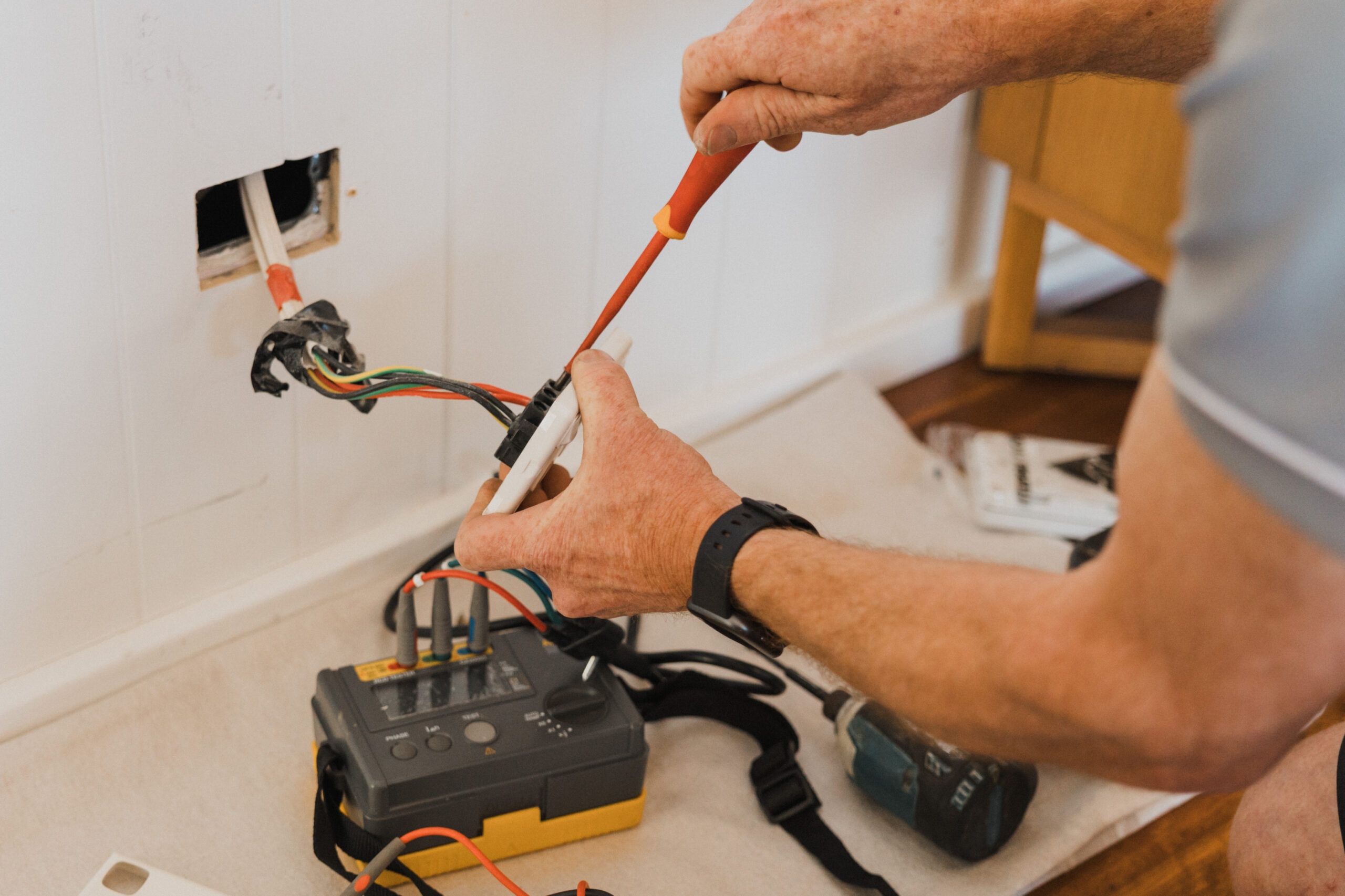
As we step into 2026, there’s no better time to prioritize the electrical safety of your Sydney home. With storm season approaching, new NSW legislation coming into effect, and electrical systems working harder than ever during our scorching Australian summers, ensuring your home’s electrical infrastructure is safe isn’t just smart—it’s essential.
Every year, faulty electrical systems cause hundreds of house fires across NSW, many of which could have been prevented with routine safety checks. Whether you’re a long-time homeowner in Sydney’s suburbs or recently purchased a property on the Central Coast, understanding what electrical safety checks you need—and when—can protect your family, preserve your property value, and give you genuine peace of mind.
In this comprehensive guide, WSG Group’s licensed electricians share everything you need to know about electrical safety checks in 2026, from mandatory compliance requirements to storm preparation tips that could save your home.
Why Electrical Safety Checks Matter More Than Ever in 2026
The electrical demands on modern Sydney homes have changed dramatically. Between home offices, EV chargers, air conditioning running constantly through summer, and smart home systems, our electrical infrastructure is under more pressure than ever before.
Add to this Sydney’s increasingly severe storm seasons—with more frequent lightning strikes and power surges—and you have a perfect storm (pun intended) of factors that make regular electrical safety checks absolutely critical.
NSW Legislation for 2026
From February 13, 2025, new NSW legislation mandates that all buildings where people sleep must have working smoke alarms on every level, installed and maintained according to Australian Standard AS 1851. Building owners who fail to comply face penalties of up to $33,000 (300 penalty units).
Additionally, the NSW Government has strengthened requirements around RCD (Residual Current Device) safety switches. All final subcircuits in residential properties must now have RCD protection, not just power circuits. This represents a significant upgrade to electrical safety standards across the state.
The Real Cost of Neglecting Electrical Safety
Beyond the obvious fire risk, outdated or faulty electrical systems carry hidden costs:
- Insurance complications: Many home insurance policies require electrical systems to meet current standards. A claim could be denied if your wiring doesn’t comply.
- Property value impact: Buyers increasingly request electrical safety inspections before purchase. An outdated switchboard or non-compliant wiring can knock tens of thousands off your sale price.
- Energy waste: Faulty electrical systems are inefficient. Old wiring and outdated switchboards can add hundreds to your annual electricity bills.
- Emergency call-out costs: A preventative $200-300 safety check is far cheaper than a $500+ emergency electrician visit at 2 AM when your switchboard fails during a storm.
Essential Electrical Safety Checks Every Sydney Home Needs
A comprehensive electrical safety inspection should cover all major components of your home’s electrical system. Here’s what licensed electricians check:
Switchboard Inspection and Upgrade Assessment
Your switchboard (or fuse box) is the heart of your home’s electrical system. During a safety check, electricians examine:
Age and condition: If your switchboard is over 25 years old, it likely needs replacement. Older boards with ceramic fuses instead of modern circuit breakers are not only outdated but potentially dangerous.
Capacity assessment: Modern homes need switchboards that can handle increased electrical loads. If you’ve added air conditioning, solar panels, or an EV charger since your last inspection, your switchboard may be overloaded.
Safety switch (RCD) compliance: Current NSW regulations require RCD protection on all circuits. Electricians verify you have adequate RCDs installed and that they’re functioning correctly.
Visual damage indicators: Scorch marks, rust, moisture damage, or a burning smell near your switchboard are red flags requiring immediate attention.
Proper labelling: All circuits should be clearly labelled for safety and convenience during emergencies.
RCD (Safety Switch) Testing
Residual Current Devices (RCDs), commonly called safety switches, are lifesavers—literally. They detect electrical faults and cut power within 300 milliseconds, preventing electrocution.
What electricians test: Your RCD’s response time, trip sensitivity, and whether it protects all required circuits (lighting, power points, and hardwired appliances).
Testing frequency: RCDs should be professionally tested every 2 years, with homeowners conducting the simple push-button test every 6 months.
Common issues found: RCDs that trip too frequently (indicating electrical faults elsewhere) or, more dangerously, RCDs that don’t trip when they should.
According to NSW Government guidelines, all rental properties must have RCD protection on power circuits, and best practice extends this to all circuits in every home.
Power Outlet and Socket Inspection
Faulty power outlets are among the most common electrical hazards in Australian homes, yet they’re often overlooked until something goes wrong.
Visual inspection: Electricians check for cracks, discoloration (indicating overheating), loose fixtures, or outlets that spark when plugs are inserted.
Functionality testing: Every outlet should be tested to ensure it’s delivering the correct voltage and that the earthing connection is sound.
Outdoor outlet safety: External power points need special attention, as exposure to moisture significantly increases shock risk. They must have waterproof covers and appropriate RCD protection.
USB outlet assessment: If you’ve installed USB outlets, electricians verify they’re correctly wired and not overheating under load.
Signs you need outlet attention include: warm or hot outlets when in use, buzzing or crackling sounds, outlets that grip plugs loosely, or any visible damage to the outlet face.
Electrical Wiring Condition Assessment
The wiring hidden in your walls is the circulatory system of your home’s electrical network. Problems with wiring are harder to detect but potentially catastrophic.
Insulation integrity: Electricians use specialised testing equipment to check insulation resistance. Degraded insulation is a major fire risk.
Wiring material check: Older homes may have aluminum wiring or cloth-insulated wiring, both of which pose safety concerns and should be replaced.
Load capacity: As homes add more electrical devices, wiring installed decades ago may be inadequate. Electricians assess whether your wiring can safely handle current demands.
Junction box inspection: All wire connections should be in proper junction boxes, not loosely connected in wall cavities.
Vermin damage detection: Rodents chewing through wire insulation is more common than you’d think, especially in roof spaces and subfloors.
Homes over 40 years old should have complete electrical wiring audits, even if everything seems to be working fine.
Smoke Alarm Electrical Testing
Under the new 2025 NSW legislation, smoke alarm compliance is no longer optional—it’s the law, with serious penalties for non-compliance.
What’s required: Photoelectric smoke alarms complying with AS 3786:2014 must be installed on every level of your home where people sleep, ideally in bedrooms and hallways.
Hard-wired vs. battery: While battery-operated alarms are legal, hard-wired (mains-powered) smoke alarms with battery backup are the gold standard for reliability.
Interconnection requirements: Best practice involves interconnected alarms, so if one detects smoke, all alarms sound throughout the home.
10-year replacement rule: From February 13, 2025, all smoke alarms older than 10 years must be replaced—no exceptions.
Testing protocol: Licensed electricians test alarm functionality, verify battery backup, check interconnection (if applicable), and ensure alarm placement meets Australian Standards.
Don’t wait for the test button to fail—have your smoke alarms professionally tested as part of your electrical safety check.
Earthing and Bonding Verification
Proper earthing (grounding) is your home’s fundamental electrical safety system, directing fault currents safely into the ground rather than through people or causing fires.
Earth stake inspection: Electricians verify your main earth stake is correctly installed, properly connected, and achieving adequate ground resistance.
Bonding checks: All metallic services entering your home (water pipes, gas lines, air conditioning units) should be bonded to the earthing system to prevent potential shock hazards.
Earth continuity testing: Using specialized equipment, electricians verify that earthing connections throughout your home maintain continuity without excessive resistance.
Lightning protection assessment: Homes in storm-prone areas may benefit from enhanced earthing systems and surge protection devices.
Faulty earthing is invisible until something goes wrong—then it can be deadly. This is why professional testing with calibrated equipment is essential.
How Often Should You Get Electrical Safety Checks in Sydney?
The recommended frequency for electrical safety inspections depends on your home’s age, condition, and usage patterns.
| Property Type | Inspection Frequency | Why |
|---|---|---|
| Homes under 20 years old | Every 5-10 years | Modern wiring and switchboards, lower risk |
| Homes 20-40 years old | Every 3-5 years | Components reaching end of service life |
| Homes over 40 years old | Every 2-3 years | Higher risk of deterioration and outdated systems |
| Rental properties | Every tenancy change or annually | NSW rental compliance requirements |
| Before major events | As needed | Pre-purchase, pre-storm season, after major storms |
Additional triggers for immediate electrical inspections:
- Flickering lights or frequent circuit breaker trips
- Burning smells near outlets or switchboard
- Warm or discolored power points
- After lightning strikes near your property
- Following electrical work by previous owners (especially unlicensed work)
- Before installing major appliances (pool equipment, air conditioning, EV chargers)
- After purchasing a property (even with a building inspection report)
Remember: electrical safety checks are preventative maintenance. The goal is to identify and fix problems before they become emergencies.
Storm Season Electrical Safety for Sydney Homes
Sydney’s summer storm season (December through March) brings intense electrical storms, with lightning strikes, power surges, and weather-related electrical hazards. Preparing your home’s electrical system before storm season can prevent costly damage and dangerous situations.
Pre-Storm Electrical Preparation Checklist
Before storm season arrives:
- Surge protection audit: Install surge protectors on valuable electronics. Consider whole-house surge protection at your switchboard.
- Outdoor electrical securing: Ensure all outdoor electrical fixtures, lights, and power outlets are properly sealed and weatherproof.
- Tree trimming around power lines: Trim branches that could fall onto overhead service lines during storms.
- Generator preparation: If you have a backup generator, have it professionally serviced and ensure transfer switches are correctly installed.
- Emergency equipment readiness: Test battery-powered lights and torches; know your switchboard location for quick access if needed.
- RCD testing: Test all safety switches before storm season—they’re your primary defense against electrical faults caused by lightning and moisture.
During storms:
- Never touch electrical equipment if you’re wet or standing in water
- Unplug valuable electronics during severe electrical storms (surge protectors aren’t foolproof)
- If lightning strikes cause a power surge that trips your switchboard, call a licensed electrician before resetting—there may be hidden damage
- Stay at least 8 meters away from fallen power lines; always assume they’re live
Post-Storm Electrical Inspections
After severe storms, even if your power is working, consider scheduling an electrical safety inspection if you experienced:
- Direct or nearby lightning strikes
- Flooding that reached electrical outlets or your switchboard
- Power surges that damaged electronics
- Smoke or burning smells from electrical equipment
- Visible damage to your meter box or service connection
Sydney’s coastal location creates unique challenges. Salt air and humidity combined with storm damage accelerate electrical component deterioration. What seems minor after a storm can develop into serious hazards weeks later.
What Does an Electrical Safety Check Cost in Sydney?
Understanding the investment required for electrical safety helps you budget appropriately and recognize fair pricing.
| Service Type | Typical Cost Range (Sydney) | What’s Included |
|---|---|---|
| Basic safety inspection | $150 – $300 | Switchboard check, RCD testing, visual inspection of outlets |
| Comprehensive safety audit | $300 – $600 | Full system testing, detailed report, compliance certification |
| Pre-purchase electrical inspection | $400 – $800 | Complete property assessment with written report for buyers |
| Switchboard upgrade | $1,500 – $3,500 | Replace old switchboard with modern unit including RCDs |
| Smoke alarm compliance upgrade | $300 – $600 | Install hardwired photoelectric alarms to meet 2025 standards |
Factors affecting cost:
- Property size: Larger homes with more circuits take longer to inspect thoroughly
- Property age: Older homes require more detailed inspection and often uncover more issues
- Accessibility: Hard-to-reach switchboards or wiring may increase inspection time
- Time of service: Emergency call-outs cost significantly more than scheduled appointments
- Repair needs: The inspection itself is relatively affordable; any necessary repairs are additional
Is it worth it? Absolutely. Consider that:
- House fire damage averages $50,000+
- Insurance may not cover electrical fires from non-compliant systems
- A failed switchboard during a heat wave could cost $500+ for emergency repair
- Non-compliance can reduce property sale value by $10,000-$20,000
A $200-300 preventative safety check is the best insurance you can buy for your home.
DIY Electrical Safety Checks vs. Professional Inspections
While some basic electrical awareness is valuable for homeowners, there’s a clear line between what you can safely check yourself and what requires a licensed electrician.
Safe DIY Electrical Checks Homeowners Can Do
These checks are safe for homeowners:
- Test smoke alarms monthly: Press the test button on each alarm to verify it sounds
- Test RCD safety switches every 6 months: Press the test button on your switchboard’s RCDs; they should trip immediately
- Visual outlet inspection: Look for discolored, warm, or damaged outlets (without touching internal components)
- Check for flickering lights: Note patterns of flickering, which lights are affected, and when it occurs
- Listen for unusual sounds: Buzzing from switches, crackling from outlets, or humming from the switchboard all warrant professional attention
- Monitor circuit breaker trips: If breakers trip frequently, this signals a problem requiring electrician diagnosis
- Verify GFCI outlets: Press test and reset buttons on bathroom and outdoor outlets to ensure they function
Document what you find: Take photos and notes to share with your electrician.
Why You Need a Licensed Electrician for Comprehensive Checks
What only licensed electricians can safely do:
- Open switchboards for internal inspection
- Use specialized testing equipment (insulation resistance testers, earth loop impedance testers, RCD testers)
- Inspect hidden wiring in walls and ceilings
- Test earth continuity and bonding
- Measure voltage and current accurately
- Identify code compliance issues
- Provide electrical safety certificates required for insurance and property sales
More importantly, the legal and safety reasons:
Under NSW law, only licensed electricians can perform electrical work. Attempting electrical repairs or inspections beyond basic safety checks is:
- Illegal: You could be fined
- Dangerous: Electricity kills, even in small residential systems
- Insurance-voiding: DIY electrical work can invalidate your home insurance
- Liability-creating: If your DIY work causes a fire or injury, you’re personally liable
The few hundred dollars saved by attempting electrical work yourself isn’t worth the risk to your life, your family’s safety, or your financial security.
Choosing the Right Electrician for Your Safety Inspection
Not all electricians are created equal. Here’s how to ensure you’re hiring qualified professionals for your electrical safety inspection.
What to verify before hiring:
- Valid NSW electrical license: Ask for license numbers and verify them through NSW Fair Trading
- Comprehensive insurance: Reputable electricians carry public liability insurance (minimum $10 million) and professional indemnity insurance
- Specialization in safety inspections: Not all electricians focus on safety audits—choose ones with experience in detailed inspections
- Clear pricing: Get written quotes before work begins, with no hidden fees or surprise charges
- Certification provided: Your electrician should provide a Certificate of Electrical Safety (if applicable) and detailed inspection reports
- Local reputation: Check Google reviews, testimonials, and how long they’ve served the Sydney/Central Coast area
- 24/7 emergency availability: Electrical emergencies don’t keep business hours—choose electricians available when you need them
- Transparent communication: Good electricians explain what they find, why it matters, and your options in plain English
Red flags to avoid:
- No license or unwilling to provide license details
- Cash-only payments with no receipts
- Pressure to authorize expensive work immediately
- Vague explanations of problems found
- Quotes significantly lower than others (if it seems too good to be true, it probably is)
At WSG Group, we’ve been serving Sydney and the Central Coast since 1947. Our licensed electricians provide thorough, honest electrical safety inspections with transparent pricing and detailed reports you can understand. We’re available 24/7 for emergencies and offer free onsite quotes for any necessary upgrades or repairs.
Frequently Asked Questions About Electrical Safety Checks
Q: How often should I get an electrical safety check in Sydney?
A: For homes under 20 years old, every 5-10 years is sufficient. Homes 20-40 years old should be inspected every 3-5 years, while older homes benefit from checks every 2-3 years. Additional inspections are recommended after major storms, before purchasing a property, or if you notice flickering lights, frequent circuit breaker trips, or burning smells.
Q: What does an electrical safety inspection cost in Sydney?
A: Basic electrical safety inspections typically range from $150-$300, covering switchboard checks, RCD testing, and visual outlet inspections. Comprehensive safety audits with detailed reports cost $300-$600. Pre-purchase inspections run $400-$800. These costs are minimal compared to the potential expense of electrical fires, emergency repairs, or property value loss from non-compliant systems.
Q: Are electrical safety checks required by law in NSW?
A: While routine safety checks aren’t legally mandated for owner-occupied homes, certain electrical components must meet compliance standards. From February 2025, smoke alarms on every level are mandatory with penalties up to $33,000 for non-compliance. RCD safety switches are required on all final subcircuits. Rental properties have stricter requirements, with inspections needed at tenancy changes.
Q: What are signs I need an electrical inspection immediately?
A: Contact a licensed electrician immediately if you notice: flickering or dimming lights, burning smells near outlets or switchboards, warm or discolored power points, sparking from switches or outlets, frequent circuit breaker trips, buzzing or humming from electrical components, or visible damage to your switchboard. These indicate serious electrical hazards requiring urgent professional attention.
Q: Can I do my own electrical safety checks?
A: Homeowners can safely perform basic checks like testing smoke alarms monthly, testing RCD safety switches every 6 months using the test button, and visually inspecting outlets for damage. However, opening switchboards, testing with electrical equipment, or any work beyond these basic checks requires a licensed electrician. DIY electrical work is illegal in NSW, dangerous, and can void your insurance.
Q: Do I need a new switchboard?
A: You likely need a switchboard upgrade if yours is over 25 years old, has ceramic fuses instead of circuit breakers, lacks adequate RCD protection, shows physical damage or corrosion, or can’t handle your home’s electrical load (frequent tripping). Switchboard upgrades cost $1,500-$3,500 but improve safety, increase property value, and prevent emergency failures during heat waves or storms.
Start Your New Year with Electrical Safety Peace of Mind
As we navigated 2025’s new electrical safety regulations, increasingly severe storm seasons, and higher electrical demands on our homes, there’s never been a more important time to prioritize electrical safety. A comprehensive electrical safety inspection isn’t an expense—it’s an investment in your family’s safety, your property’s value, and your peace of mind.
Whether your home is brand new or decades old, whether you’re in Sydney’s inner suburbs or along the Central Coast, professional electrical safety checks identify hidden hazards before they become emergencies. From switchboard upgrades and RCD installation to smoke alarm compliance and storm preparation, taking action now prevents costly and dangerous problems later.
Don’t wait for flickering lights to become electrical fires, or for that old switchboard to fail during the next heat wave. Start 2026 right with a thorough electrical safety inspection from licensed professionals who’ve been trusted across Sydney and the Central Coast for over 75 years.
Ready to ensure your home’s electrical safety? Contact WSG Group today for a free onsite inspection quote. Our licensed electricians are available 24/7 for emergencies, and we provide transparent pricing with no hidden fees. Call us now or book online—your family’s safety is worth the call.