

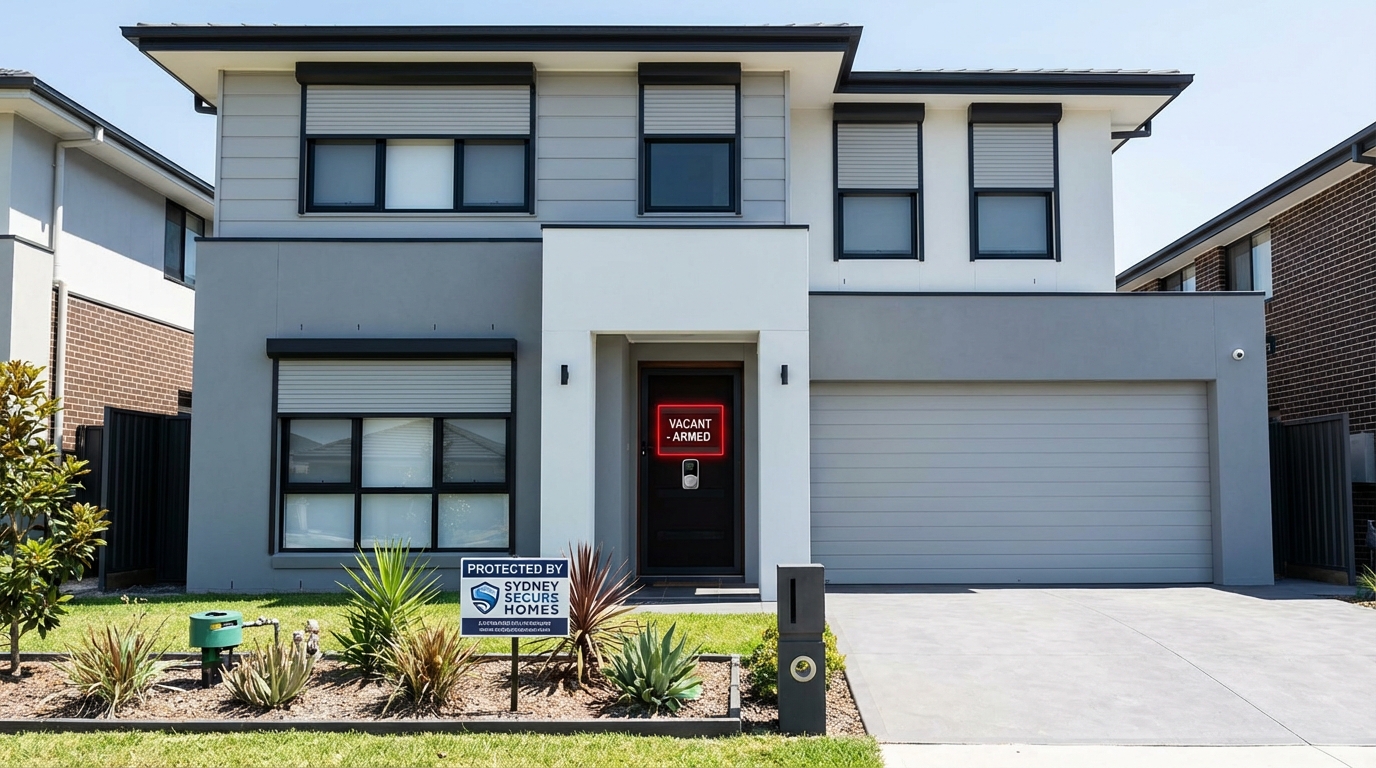
Easter 2026 falls on April 18-21, marking one of the year’s most popular travel periods for Sydney families. Whether you’re heading to the coast for a long weekend getaway, visiting family interstate, or taking advantage of school holidays for an extended overseas trip, proper holiday home preparation is essential to protect your property during your absence.
Every year, Australian homeowners return from holidays to discover preventable disasters: burst pipes that have flooded rooms, electrical faults that triggered insurance claims, storm damage that went unaddressed for days, or worse—security breaches that could have been avoided with simple precautions. Insurance data shows that vacant home claims spike during school holiday periods, with water damage, electrical faults, and storm-related issues accounting for the majority of preventable incidents.
This comprehensive guide provides Sydney homeowners with a strategic, practical approach to holiday home preparation across three critical systems: plumbing, electrical, and roofing. WSG Group has protected Sydney properties through 77 holiday seasons since 1947, and we’ve seen firsthand the difference between homeowners who prepare properly and those who hope for the best. The steps outlined below take just a few hours to complete but can save you tens of thousands of dollars in emergency repairs and insurance deductibles—not to mention the peace of mind to actually enjoy your Easter break.
Understanding the Risks: Why Holiday Home Preparation Matters for Sydney Properties
Sydney’s autumn climate (March-May) presents unique challenges for vacant properties. While temperatures moderate from summer’s extreme heat, April still brings unpredictable weather patterns that stress unattended homes.
Easter weekend can experience anything from 28°C sunny days to sudden cold snaps with overnight lows around 12-15°C. These temperature fluctuations, combined with Sydney’s autumn storm season, create conditions that test your property’s resilience. Sudden cold snaps can cause issues with uninsulated pipes, while unseasonable warm days followed by cool nights create condensation problems in poorly ventilated areas.
April sits within Sydney’s secondary storm season. While not as severe as summer’s violent storms, autumn brings sustained rainfall events that test drainage systems, reveal minor roof leaks, and can cause significant water damage when properties sit unattended for extended periods. Average April rainfall in Sydney reaches 110-130mm, often concentrated in multi-day weather events.
Easter holidays frequently extend beyond the traditional long weekend. With school holidays running two weeks and many workers taking annual leave, properties may sit vacant for 7-14 days or longer. This extended timeframe transforms minor issues into major problems: a small roof leak discovered after 2 days causes minor ceiling staining; the same leak after 10 days causes structural water damage and mold growth. A hot water system failure noticed within 24 hours means calling a plumber; unnoticed for a week means catastrophic water damage to multiple rooms.
Essential Plumbing Preparations Before Leaving for Easter Holidays
Your plumbing system poses the greatest financial risk during extended absences. Water damage is the leading cause of vacant home insurance claims, and the severity escalates dramatically with each passing day. Strategic plumbing preparation prevents these costly disasters.
Water Shut-Off Decision: When to Turn Off Your Main Water Supply
For absences of 7+ days, turning off your main water supply eliminates the risk of catastrophic water damage from burst pipes, failed hot water systems, or leaking fixtures. This single action can prevent claims ranging from $10,000 to $100,000+.
How to safely shut off your water:
- Locate your main water shut-off valve (typically at the front of your property near the water meter, or where the water line enters your home)
- Turn the valve clockwise until fully closed
- Open several taps throughout your home to release pressure and drain remaining water from pipes
- Leave taps in the open position to prevent pressure buildup
- If you have a hot water system, turn off its power supply (electrical system at switchboard, or gas at the meter)
- Flush toilets once to empty cisterns
- Consider adding a small amount of cooking oil to toilet bowls to prevent water in the trap from evaporating (maintains sewer gas seal)
Important considerations:
- Irrigation systems will not function with water turned off. Set timers to off or ensure someone can manually water critical plants.
- If you have fish tanks or water features, arrange for someone to maintain them or provide alternative water supply.
- In cold climates (elevated areas or Blue Mountains properties), shutting off water and draining lines prevents freeze damage.
For shorter absences (2-6 days), shutting off water may not be necessary if your plumbing is in good condition. However, consider shutting off individual fixtures or appliances by turning off isolation valves to washing machines, dishwashers, and outdoor taps.
Hot Water System Maintenance
Your hot water system works constantly, even when you’re not using water. A failure during your absence can release hundreds of liters of water throughout your home.
Pre-holiday hot water system inspection:
- Check for moisture or rust around the base of the tank
- Test the temperature and pressure relief (tempest) valve
- Look for any existing leaks from pipes or fittings
- If your hot water system is 8+ years old, consider having WSG Group perform a service inspection before your holiday
For extended absences (10+ days), turn off power to electric hot water systems at the switchboard and turn off gas supply to gas hot water systems at the meter. This eliminates energy waste and removes a potential failure point.
Blocked Drain Prevention
A blocked drain discovered during your absence can cause sewage backup, flooding, and extensive damage.
Pre-holiday drain maintenance:
- Pour enzyme-based drain cleaner down all drains 24 hours before departure
- Run hot water through all drains for 2-3 minutes
- Clean shower and sink drain traps
- Ensure all external gully traps are clear of debris
- Confirm downpipes and stormwater drains are flowing freely
If you’ve experienced slow drains or recurring blockages, schedule a professional CCTV drain inspection before your holiday. WSG Group’s camera inspection identifies tree roots, cracks, or developing blockages before they become holiday disasters.
Outdoor Plumbing Considerations
External taps and irrigation systems deserve attention:
- Turn off all outdoor taps completely
- Disconnect and store garden hoses (prevents pressure buildup and potential bursts)
- Set irrigation timers to off, or adjust for minimal operation
- If using irrigation, test the system one final time before departure
- Ensure pool equipment timers are set correctly (pools require ongoing filtration even when unused)
- Check that pool water levels are appropriate (not too high, which causes overflow during rain)
Critical Electrical Safety Preparations for Vacant Sydney Homes
Electrical faults cause approximately 30% of Australian house fires, and vacant homes face elevated risk because faults go undetected until catastrophic failure occurs. Strategic electrical preparation protects your property and ensures your home insurance remains valid.
Reduce Electrical Load and Eliminate Fire Risks
Unplug Non-Essential Appliances
Every powered appliance represents a potential failure point. Before departing:
- Unplug all kitchen appliances (toaster, kettle, microwave, coffee machine)
- Disconnect entertainment systems (TVs, gaming consoles, stereos)
- Unplug phone and device chargers
- Disconnect computer equipment
- Turn off and unplug washing machines and dryers
- Unplug small heaters or cooling devices
Leave Essential Systems Operating
Some appliances should remain powered for security and property maintenance:
Keep connected:
- Refrigerator (after removing perishables)
- Freezer (if stocked)
- Security system components
- Timer switches for lights
- Smart home monitoring systems
- Smoke alarm power (hardwired systems)
- Pool equipment (if applicable)
Safety Switch Testing and Switchboard Inspection
Before leaving, test all safety switches (RCDs) by pressing the test button. These life-saving devices must function properly. If any safety switch fails to trip when tested, contact WSG Group for immediate inspection—this represents a serious safety hazard.
Inspect your switchboard for:
- Any signs of burning, discoloration, or unusual odors
- Loose connections or damaged components
- Circuit breakers that frequently trip
- Old ceramic fuses (indicating outdated wiring)
If your switchboard shows any of these warning signs, schedule an electrical safety inspection before your holiday.
Timer Switches and Security Lighting
Timer switches create the appearance of occupation, deterring potential break-ins. Set timers for:
- Living room lamps (6:00 PM – 10:30 PM pattern)
- Bedroom lights (different times to simulate movement)
- Outdoor security lights (dusk-to-dawn operation)
- Radio or television (occasional operation)
Modern smart home systems allow you to control lights remotely via smartphone apps, providing even more realistic occupation patterns and allowing you to respond to changing conditions during your absence.
Appliance-Specific Considerations
Refrigerator and Freezer Management
For short absences (1-7 days): Leave refrigerator running but remove perishables that will spoil. For extended absences (7+ days): Consider emptying and unplugging the refrigerator to save energy, or leave it running if you have valuable frozen goods.
Before departure:
- Remove all perishable food items
- Wipe down interior surfaces
- Ensure door seals properly
- Set temperature to appropriate level for contents
Air Conditioning and Heating
Turn off air conditioning units completely unless you’re concerned about extreme temperatures affecting the property. For homes in particularly hot or humid areas, you might set air conditioning to maintain 26-28°C to prevent mold growth, though this significantly increases energy costs.
Visual Checklist: Easter Holiday Home Preparation
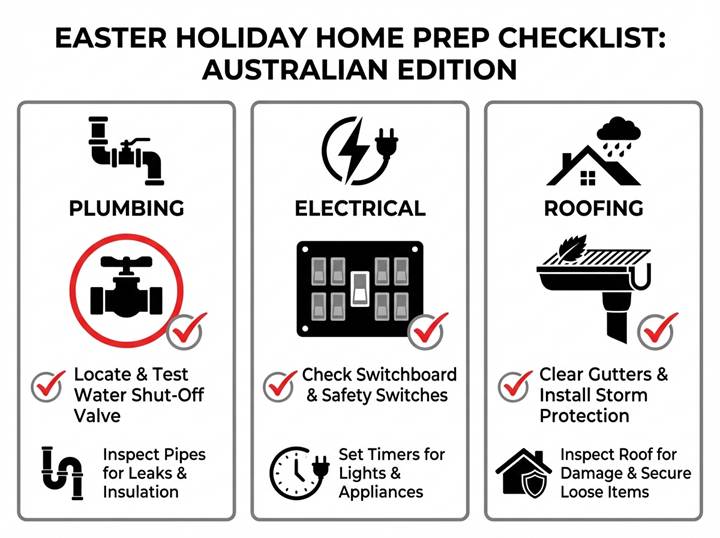
Roofing and Storm Protection Before Extended Absences
Your roof is your home’s first line of defense against Sydney’s autumn storms. Undetected roof damage during extended absences can cause catastrophic interior water damage.
Pre-Holiday Roof Inspection
Schedule a professional roof inspection with WSG Group before your Easter departure if:
- Your roof is 15+ years old
- You’ve noticed any interior water stains or dampness
- Recent storms have affected your area
- You’ve had previous roof leaks
- You see damaged, missing, or displaced roof tiles from ground level
Professional inspection identifies:
- Cracked, broken, or loose roof tiles
- Damaged or deteriorated roof flashing
- Compromised ridge capping
- Potential leak points around chimneys, skylights, and vents
- Weakened roof structure that could fail during storms
Gutter and Downpipe Clearing
Blocked gutters cause water to overflow and pool against your home’s foundations or enter through roof spaces. This is particularly problematic during extended absences when overflow goes unnoticed.
Pre-holiday gutter maintenance:
- Remove all leaves, debris, and accumulated sediment from gutters
- Flush downpipes with water to ensure clear flow
- Check gutter brackets are secure and gutters slope correctly toward downpipes
- Inspect for rust, holes, or deterioration
- Ensure downpipes direct water away from foundations
- Clear any debris from roof valleys where water concentrates
Consider installing gutter guards after your holiday to reduce future maintenance requirements.
Storm Preparation Checklist
Sydney’s autumn storms can be severe. Prepare your property:
- Secure or store outdoor furniture, trampolines, and loose items that could become projectiles
- Trim overhanging tree branches near your roof
- Check that all roof ventilation whirlybirds spin freely
- Ensure TV antennas and satellite dishes are securely mounted
- Inspect and repair any loose roof tiles or roofing sheets
- Clean solar panels if installed (improves storm water runoff)
- Check that outdoor structures (sheds, pergolas) are secure
Home Security Essentials for Extended Absences
Vacant homes are attractive targets for burglars. Multi-layered security measures significantly reduce break-in risk.
Physical Security Measures
Before departure, ensure:
- All doors are locked with deadbolts engaged
- All windows are closed and locked (including second-story windows)
- Garage doors are locked and disconnected from automatic openers
- Sliding doors have security bars or pins in place
- External gates are locked
- Alarm systems are armed and tested
- Security cameras are functioning and recording
- Spare keys are removed from obvious hiding places
- Mail and newspaper delivery is stopped or collected by a trusted person
Creating the Appearance of Occupation
Burglars look for signs of vacant properties:
- Arrange for lawn mowing if your absence extends beyond 10-14 days
- Have a trusted neighbor park in your driveway occasionally
- Ask someone to move wheelie bins in and out on collection days
- Use timer switches to create realistic lighting patterns
- Avoid social media posts announcing your absence or location
- Don’t leave obvious vacation indicators like accumulated mail or packages
Trusted Neighbor or House-Sitter Arrangements
Provide a trusted neighbor or house-sitter with:
- Your contact information and itinerary
- Emergency contact numbers (plumber, electrician, security company)
- Alarm codes and instructions
- Permission to enter the property if needed
- Instructions for any ongoing maintenance (plant watering, pet care)
- Details about expected deliveries or service visits
In return, brief them on:
- Signs of problems to watch for (water leaks, security breaches, storm damage)
- Your expectations for frequency of visits
- What to do if they discover issues
Insurance and Emergency Contact Preparation
Many homeowners don’t realize their insurance policies have specific requirements for extended absences.
Notify Your Insurance Company
Contact your home and contents insurance provider before leaving if:
- Your absence will exceed 30 consecutive days (most policies have notification requirements)
- Your property will be completely unoccupied (no house-sitter)
- You’re traveling internationally
- Your property has had previous claims
Failure to notify your insurer when required can void your coverage. Ask your insurer:
- What are the notification requirements for extended absences?
- Are there any additional security measures required?
- Does coverage change during vacancy periods?
- Should you increase coverage for certain risks?
- What emergency procedures should you follow if issues arise while away?
Create a Comprehensive Emergency Contact List
Compile a document with critical contact information for the person monitoring your property:
Essential Contacts:
- Your mobile number and alternate contact methods
- Family emergency contact
- WSG Group 24/7 emergency line: 1800 186 597
- Your regular plumber, electrician, and roofing contractor
- Home insurance company and policy number
- Security alarm company
- Local police (non-emergency)
- Property manager (if applicable)
- Trusted neighbors’ contact information
- Utility companies (water, electricity, gas)
Leave this list in an easily accessible location and email a copy to your trusted contact.
Your Final 48-Hour Pre-Departure Checklist
The final days before departure require systematic preparation. Use this checklist to ensure nothing is overlooked.
48 Hours Before Departure
- Complete all plumbing, electrical, and roofing inspections or repairs
- Schedule any necessary professional services
- Test all security systems and timer switches
- Confirm arrangements with neighbor or house-sitter
- Stop mail and newspaper delivery
- Pay any bills that will come due during your absence
- Photograph valuable items and secure important documents
- Set refrigerator to appropriate temperature
- Begin removing perishable food items
24 Hours Before Departure
- Empty all bins and take rubbish to curb if collection day falls during your absence
- Clean out refrigerator completely
- Run all taps and flush drains
- Water indoor plants thoroughly (or arrange for ongoing care)
- Adjust heating/cooling to appropriate settings
- Close all curtains and blinds to deter observation
- Set timer switches to operational schedules
- Double-check all windows and doors are locked
- Turn off individual appliance power points
- Ensure hot water system is set appropriately
Departure Day – Final Walkthrough
- Turn off main water supply (for 7+ day absences)
- Confirm hot water system is off
- Unplug all non-essential appliances
- Test security alarm one final time
- Arm security system when leaving
- Lock all doors and windows
- Engage deadbolts on all external doors
- Take a final photo of your property exterior (documents condition)
- Inform your monitoring contact that you’ve departed
Safe Return Home Protocol: Re-Entry and System Reactivation
Returning home after extended absence requires careful system reactivation and inspection to identify any issues that occurred during your absence.
Immediate Upon Arrival
- Disarm security system
- Do a visual inspection of exterior for obvious damage
- Check for forced entry signs before entering
- If you discover a break-in, do not enter—call police immediately
- Check mailbox and collect any accumulated mail
- Look for signs of water damage, leaks, or flooding
System Reactivation Sequence
Turn systems back on in this order:
1. Main water supply (if turned off)
• Check for leaks at taps once pressure returns
• Listen for unusual sounds indicating pipe damage
2. Hot water system
• Turn on power (electric) or gas supply
• Check for leaks around the unit
• Allow 30-60 minutes for water to heat
3. Run all taps for 2-3 minutes
• Flush out stagnant water
• Check for discoloration or unusual odors
• Confirm proper water pressure
4. Test toilets
• Flush and confirm proper operation
• Check for leaks around base
5. Reconnect major appliances
• Washing machine
• Dishwasher
• Other appliances unplugged before departure
Comprehensive Property Inspection
Within 24 hours of return, inspect:
Interior:
- All ceilings for water stains or damage
- All walls for dampness or mold
- Floors for water damage
- Under all sinks for leaks
- Around hot water system for moisture
- Refrigerator and freezer operation
- All electrical outlets and switches
- Smoke alarms (test operation)
Exterior:
- • Roof for visible damage or displaced tiles
- • Gutters for overflow signs or damage
- • Downpipes for proper drainage
- • External walls for storm damage
- Outdoor taps for leaks
- Garden irrigation system
- Fences and gates for storm damage
If you discover any issues, document with photos immediately and contact WSG Group for assessment and repairs. This documentation is critical if you need to make an insurance claim.
Frequently Asked Questions About Easter Holiday Home Preparation
Sydney homeowners consistently ask these questions about preparing for extended absences:
Q1: Should I turn off my water supply for a 4-day Easter long weekend?
For a standard 4-day Easter long weekend, turning off your main water supply is generally unnecessary if your plumbing system is in good condition. However, if your property has:
• A hot water system older than 8 years
• Known plumbing issues or slow leaks
• Recently experienced plumbing problems
• No one checking on the property during your absence
Then turning off the water supply provides peace of mind. For standard 4-day absences with newer plumbing, turning off individual fixture isolation valves (washing machine, dishwasher) provides adequate protection without the inconvenience of full water shut-off.
Q2: Will my home insurance cover me if something goes wrong while I am away?
Home insurance typically covers sudden and unforeseen events during your absence, but coverage depends on:
• Whether you notified your insurer (required for absences over 30 days for most policies)
• Whether you took reasonable precautions to protect your property
• The specific cause of damage
Insurance generally WILL NOT cover damage from:
• Pre-existing conditions you failed to repair
• Gradual deterioration or lack of maintenance
• Failure to take reasonable security measures
• Issues that could have been prevented with proper preparation
Always review your policy’s specific requirements for vacant property and notify your insurer when required.
Q3: How often should someone check on my property during extended absence?
For absences of 7-14 days (typical Easter holidays), arrange for someone to visit:
• Every 2-3 days minimum
• Ideally every second day for optimal security and early issue detection
• Daily visits if severe weather is forecast
During check visits, they should:
• Walk through the entire property looking for leaks, damage, or security breaches
• Check for any unusual odors
• Ensure timer switches are functioning
• Collect mail and packages
• Take photos if any issues are discovered
For absences longer than 14 days, consider hiring a professional house-sitter or property management service for more comprehensive monitoring.
Q4: What should I do with my swimming pool while on holiday?
Swimming pools require ongoing maintenance even during absences:
Keep running:
• Pool filtration system (minimum 4-6 hours daily)
• Automatic chlorinator or salt chlorine generator
Before departure:
• Test and balance water chemistry
• Clean filter system
• Check pump operation
• Remove large debris from pool surface and skimmer baskets
• Backwash filter if needed
• Set timer for appropriate filtration hours
Arrange for someone to:
• Check pool equipment is running properly
• Skim debris from surface weekly
• Check water level (especially if rain is forecast)
• Test water chemistry if absence exceeds 10-14 days
Never fully shut down pool systems during short absences—algae can bloom within days in Sydney’s autumn temperatures.
Q5: Should I adjust my heating or air conditioning settings while away?
For Easter absences in Sydney (April), temperatures are generally moderate, so climate control considerations are minimal:
Air Conditioning:
• Turn off completely for short absences (4-7 days)
• For extended absences in humid conditions, consider setting to 26-28°C to prevent mold growth (expensive but may be worthwhile for valuable contents)
Heating:
• Generally unnecessary in Sydney’s April climate
• For elevated or Blue Mountains properties, set heating to minimum 10-12°C if overnight temperatures may approach freezing
Energy costs for running climate control during absences typically outweigh benefits unless you’re protecting specific temperature-sensitive items or preventing mold in particularly humid properties.
Q6: What are the most common problems homeowners discover after returning from Easter holidays?
Based on WSG Group’s 77 years of experience, the most common post-holiday issues include:
1. Water damage from:
• Burst pipes (especially after cold snaps)
• Failed hot water systems
• Leaking taps left dripping
• Storm-driven roof leaks
2. Electrical issues:
• Tripped safety switches
• Failed appliances left running
• Storm-damaged outdoor electrical fixtures
3. Security breaches:
• Break-ins (more common during known holiday periods)
• Property vandalism
4. Storm damage:
• Roof tile displacement
• Gutter overflow damage
• Fallen branches on roofs
5. Pest issues:
• Rodents entering through gaps
• Possums in roof spaces
Most of these issues can be prevented through proper pre-departure preparation and having someone check your property every 2-3 days.
Q7: When should I schedule a professional pre-holiday inspection?
Schedule professional inspections:
Timing: 2-3 weeks before your departure
This timeframe allows:
• Sufficient time to complete any necessary repairs
• Flexibility to schedule tradespeople
• Opportunity to order any required parts
• Avoiding last-minute stress
Book WSG Group’s comprehensive pre-holiday inspection if:
• Your property has existing maintenance issues
• Your plumbing or electrical systems are 15+ years old
• You’ve recently experienced any system failures
• Your property will be vacant for 10+ days
• You haven’t had professional inspections in the past 12 months
• You have specific concerns about your property’s condition
Our multi-trade capability means one visit covers plumbing, electrical, and roofing assessment, saving you time and ensuring comprehensive preparation.
Q8: Can WSG Group help with emergency repairs if something goes wrong while I am away?
Yes. WSG Group provides 24/7 emergency response across Sydney and the Central Coast for:
• Burst pipes and water emergencies
• Electrical faults and safety issues
• Emergency roof repairs
• Blocked drains and sewage issues
If your trusted contact discovers an issue during your absence, they can contact our emergency line immediately. We respond to genuine emergencies typically within 2-4 hours.
Before your departure, provide your property monitor with:
• WSG Group emergency number: 1800 186 597
• Your property address
• Authorization for us to enter and complete emergency repairs
• Your payment authorization limits
Our emergency technicians carry comprehensive equipment and can complete most repairs on the spot, preventing minor issues from becoming catastrophic damage.
Protect Your Property This Easter: Take Action Before You Travel
Easter 2026 offers Sydney families the perfect opportunity for rest and relaxation, but peace of mind starts with knowing your property is protected during your absence. The comprehensive steps outlined in this guide—from strategic plumbing shut-offs and electrical safety measures to roofing inspections and security preparations—represent just a few hours of preparation that prevent thousands of dollars in emergency repairs and insurance deductibles.
The difference between a worry-free holiday and a disaster-filled return often comes down to simple preparation: turning off a water supply, testing a safety switch, clearing a gutter, or arranging proper property monitoring. These aren’t complex tasks requiring specialized skills—they’re straightforward actions any homeowner can complete with proper guidance.
However, if your property has existing maintenance needs, aging systems, or specific concerns, professional pre-holiday assessment provides invaluable peace of mind. WSG Group’s multi-trade expertise means comprehensive plumbing, electrical, and roofing evaluation in a single visit, identifying potential problems before they become holiday disasters.
Don’t wait until the week before Easter to begin preparation. With just six weeks until Easter 2026, now is the perfect time to:
- Schedule professional inspections for any systems of concern
- Complete necessary repairs before the Easter rush
- Arrange property monitoring with trusted contacts
- Review and update your emergency contact information
- Notify your insurance company if required
- Create your pre-departure checklist
WSG Group has protected Sydney properties through 77 holiday seasons. We understand the unique challenges Easter absences present and provide comprehensive preparation, emergency response, and return home inspection services tailored to your property’s specific needs.
Contact WSG Group today to schedule your pre-Easter property assessment. Our licensed plumbers, electricians, and roofing specialists will ensure your home is thoroughly prepared for your absence. Call 1800 186 597 to book your appointment.
Your Easter holiday should be about family, relaxation, and creating memories—not worrying about what might be happening at home. Let WSG Group’s expertise give you the peace of mind to truly enjoy your break.