

Ever turned on the shower and thought, “Why is the water pressure so weak today?” Or noticed the kitchen tap feels slower than usual when you are trying to rinse dishes? It is a common worry, especially when it pops up out of nowhere. Here is the good news. In many cases, what feels like low water pressure is not a supply problem. A blocked drain can make water use feel sluggish, messy, and frustrating, even when the incoming pressure is excellent. Let’s break down how drains and water pressure relate, how to spot the difference, and what to do next if the issue recurs.
Water Pressure vs Water Flow: The Quick Difference
Water pressure is the force that pushes clean water through your pipes and out of your taps. Water flow is the amount of water you get over a set time. They sound similar, but they are not the same thing.
A simple way to think about it is this. Pressure is the push. Flow is the result. You can have adequate pressure but poor flow if something is restricting the outlet, such as a clogged aerator or a blocked showerhead. You can also have a regular tap stream, but the whole experience still feels “weak” if water is not draining away properly.
It helps to remember that your home has two separate systems operating simultaneously. One system brings clean water in. The other carries wastewater away. When the drainage side struggles, it can cause symptoms that people often attribute to water pressure.
How a Blocked Drain Can Look Like Low Pressure
A blocked drain usually does not reduce the pressure in your water supply pipes. It can cause water to accumulate where you do not want it, which affects how the water behaves at the fixture and how it feels to use.
For example, in the shower, a partially blocked waste pipe prevents water from draining from the base quickly enough. You end up standing in a shallow pool, and the shower feels less effective because the water isn’t clearing away. In the kitchen, a slow-draining sink can make rinsing feel harder, even if the tap is running normally. You might also notice that when you run the tap, the sink fills faster than it empties, making the process feel awkward and slow.
Toilets and drains can also “talk” to each other. If you hear gurgling, bubbling, or a glugging sound from a nearby drain while water is running, it may indicate a blockage in a shared line. Drain pipes rely on airflow to help wastewater move smoothly. When a blockage disrupts that, drainage becomes sluggish and noisy.
Common culprits include hair and soap build-up in bathroom wastes, grease and food scraps in kitchen lines, wipes and sanitary items in toilets, and tree roots in older outdoor pipes.
When a Drain Issue Can Indirectly Affect Pressure
While a drain blockage itself rarely changes your actual water pressure, related issues can. Ongoing blockages can increase stress on pipe joints, cause overflows, or expose weak points in the system. Over time, that can contribute to leaks or pipe damage. If you have a leak on the supply side, pressure and flow can drop at multiple fixtures.
Another scenario occurs when drainage and supply problems occur in the same area. For instance, ground movement from a damaged underground drain can sometimes affect nearby plumbing services, depending on how your property is laid out. It is not the most common cause, but it is a reason not to ignore repeated blockages.
If the “low pressure” feeling is happening across several rooms and you are also seeing slow drains, that is a strong sign the drainage system needs attention.
Common Causes of Low Water Pressure That Are Not Drain-Related
If you are trying to work out what is going on, it helps to know the usual suspects for genuine low pressure.
Here are some common causes that are not related to drains:
- A partially closed main shut-off valve or an isolation valve under the sink
- A clogged tap aerator, showerhead, or filter screen
- A failing pressure-limiting valve (standard in many homes)
- Scale build-up or corrosion in older plumbing
- A hidden leak in the water supply line
- Hot water only issues, which can point to the tempering valve or the hot water system itself
A quick clue is the outside tap. If your garden tap is also weak, it is less likely to be a drain problem and more likely to be a supply issue.
Simple At-Home Checks to Pinpoint the Cause
You do not need to be a plumber to do a few basic checks.
Start by testing more than one fixture. Is it only the shower, or are the kitchen and laundry taps doing the same thing? Then check hot and cold separately. If cold is fine but hot is weak, the issue is usually linked to the hot water side.
Next, look at the drainage. Does the sink empty quickly? Does the shower water pool? Do you hear gurgling when another tap runs? Those are classic drainage clues.
It is also worth cleaning the tap aerator or showerhead if you can do it safely. A surprising number of “pressure issues” are just blocked screens.
Try to avoid harsh drain chemicals if blockages keep returning. They can damage pipes and do not solve bigger issues like roots or collapsed sections.
When to Call a Plumber and What Pros Do
If multiple drains are slow, you have sewage smells, water is backing up, or the same blockage returns again and again, it is time to get it checked properly. A licensed plumber can pinpoint the cause and fix it without guesswork.
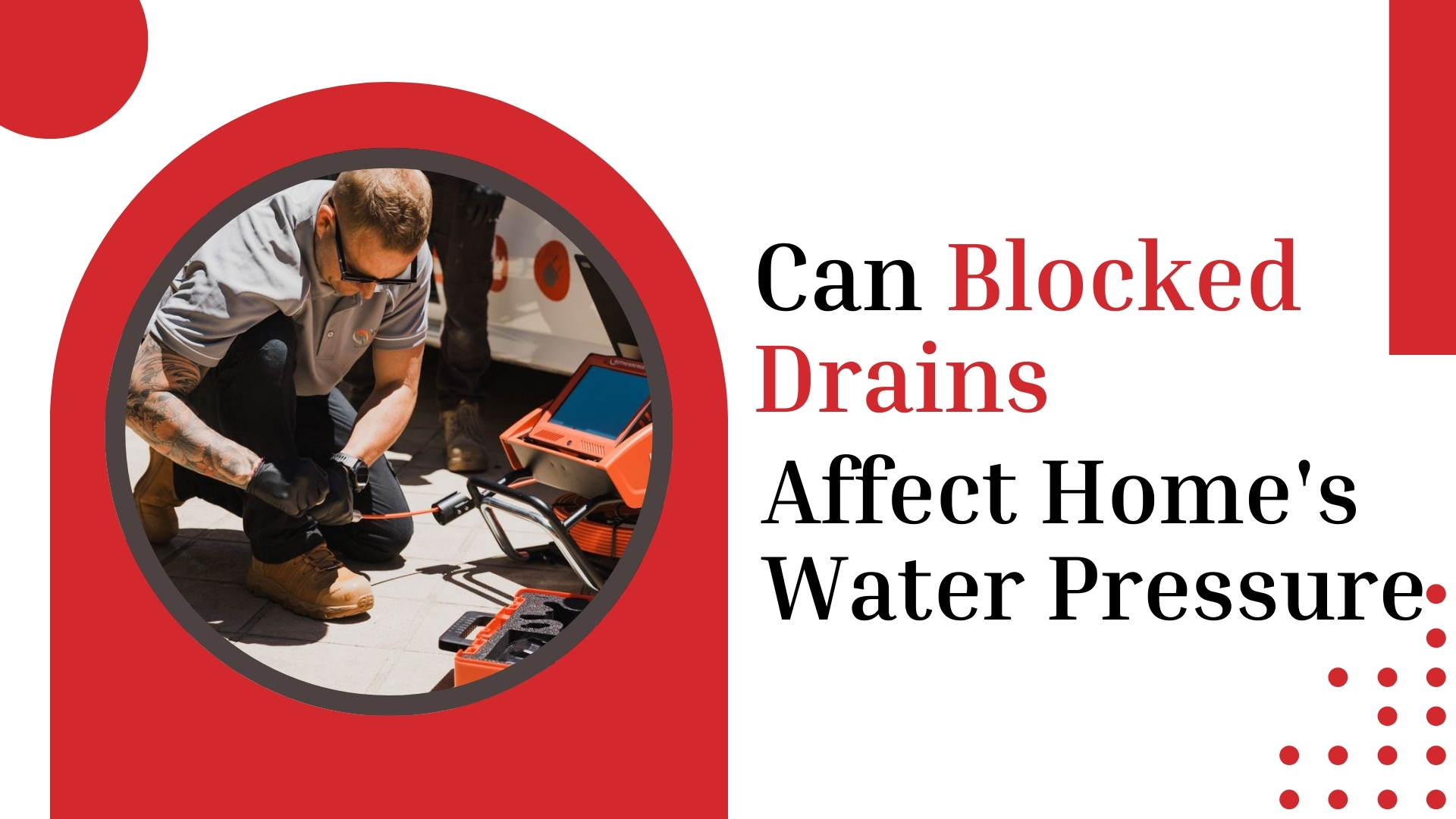
This is where Professional drain clearing makes a big difference. Instead of pushing the problem further down the line, a plumber can use the right tools to clear the blockage, assess pipe condition, and confirm whether there is a deeper issue like roots, broken joints, or a belly in the pipe. Many teams also use CCTV inspections to identify the exact location and cause, which is especially useful for recurring problems.
Related Drain Issues Around the Property
Drain health is not only about what happens inside. Outdoor drainage matters too, particularly after heavy rain. If you notice pooling water, slow-draining yard grates, or water spilling from stormwater points, your home’s drainage system may be under strain.
In those cases, Stormwater drain repair can be the missing piece. When stormwater lines are blocked or damaged, water can overflow in the wrong places and add pressure to already struggling drainage paths around the home. Fixing outdoor drainage issues can help prevent repeat indoor problems, especially in wet seasons.
Conclusion
Yes, blocked drains can affect how your home’s water pressure feels, but the real issue is usually poor drainage and restricted flow, not the supply pressure itself. If water is not clearing away properly, everyday tasks like showering and washing up can feel slower and less effective. A few quick checks can help you tell if it is a drain problem or a true pressure issue. If symptoms keep returning or several fixtures are affected, getting expert help early can save a lot of hassle. For ongoing issues, Blocked drain repair Sydney is the smartest next step to protect your plumbing and get things running smoothly again.