

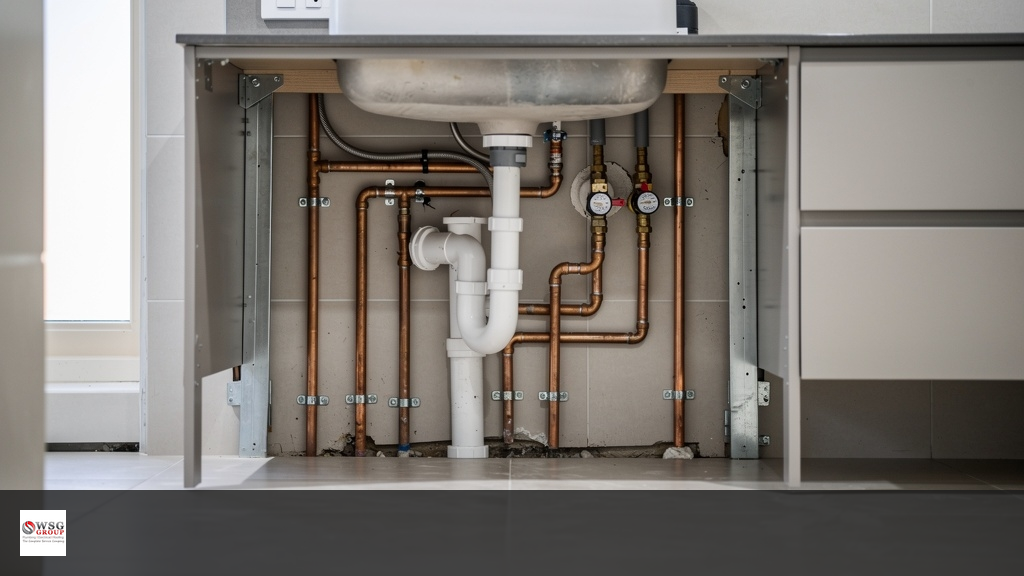
A bathroom renovation is one of the most rewarding home improvements you can make in Sydney, but it’s also one of the most complex when it comes to plumbing. Unlike painting a wall or tiling a floor, plumbing work in NSW must be carried out by a licensed plumber and meet strict regulatory requirements. Get the plumbing scope wrong and you’ll face failed inspections, insurance complications, and potentially significant rework costs.
This guide covers everything Sydney homeowners need to know about bathroom renovation plumbing: what work is required, what it costs, the compliance rules that apply in NSW, and how to plan your scope before engaging a tradesperson.
What Plumbing Work Is Required for a Bathroom Renovation in Sydney?
The plumbing scope of a bathroom renovation depends on how extensive the reno is. A cosmetic refresh (swapping tapware, replacing a vanity without moving it) is very different from a full gut renovation that repositions fixtures and reconfigures drainage.
Drainage (Waste Plumbing)
Every shower, bath, toilet, and basin has a waste connection. If you’re keeping all fixtures in their existing locations, the drainage work is minimal. But if you want to move a toilet, shift a shower recess, or relocate a bath, the drainage must be reconfigured. In Sydney homes built on concrete slabs, this typically means breaking up the slab to reposition drains, which adds significant cost and time to the project.
Drainage work must comply with AS/NZS 3500.2 (the Plumbing and Drainage standard) and requires a licensed plumber to carry out and certify the work.
Water Supply (Hot and Cold)
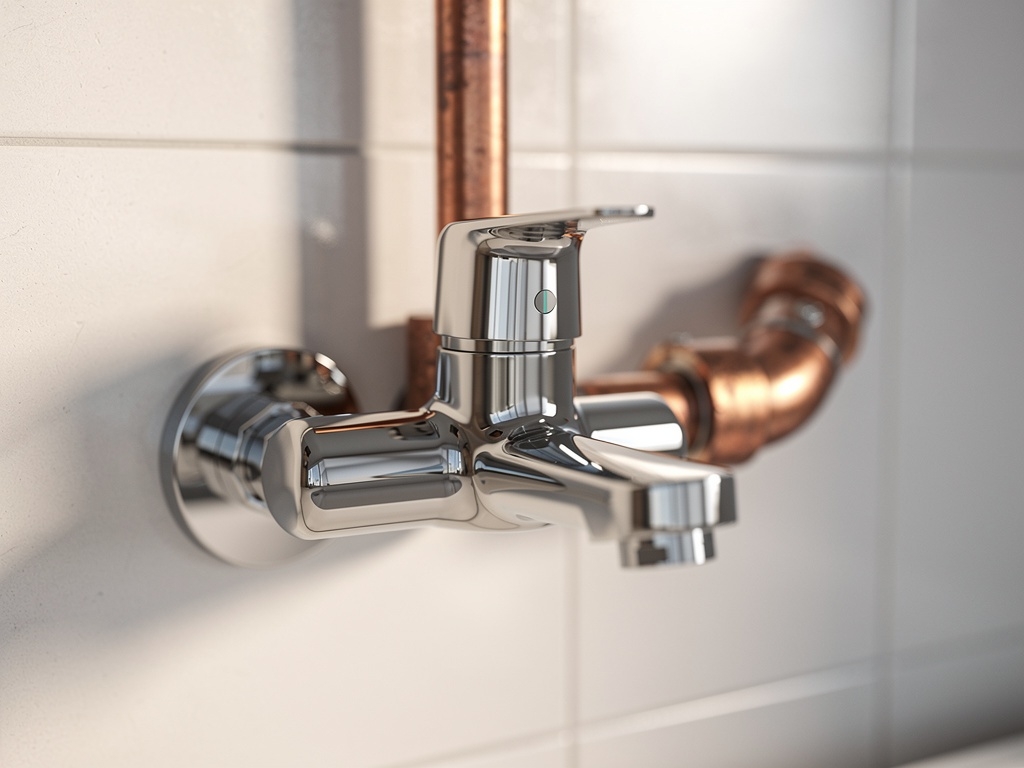
Connecting new tapware, a shower mixer, or a toilet cistern all involves water supply plumbing. Most tapware replacement (swapping a mixer on an existing rough-in) is relatively straightforward. Relocating supply points or installing new connections in the wall requires cutting into pipework and completing new rough-in work.
If your renovation includes a new shower with body jets or a freestanding bath with floor-mounted tapware, new supply rough-in is almost always required.
Toilet Cistern and Pan Connection
Replacing a toilet in the same position is a relatively minor plumbing task. Moving a toilet to a different position involves repositioning the pan connector and waste outlet, which in a slab construction requires concrete cutting. For homes built on a suspended timber floor, repositioning is simpler as drainage runs below the floor and doesn’t require concrete work.
Shower and Bath Drainage
All shower and bath waste must connect to the drainage system with the correct fall to ensure proper drainage and prevent water pooling. Shower waste grates must comply with WaterMark certification requirements. Larger format tiles require careful planning around drainage grate position and tile layout.
Hot Water Connections
If your renovation includes a new hot water system, or if the existing system is being relocated, this is a separate plumbing scope item. If you’re adding a second bathroom to the house, the existing hot water system may need to be assessed for capacity. Hot water work is regulated under NSW plumbing regulations and WaterMark certification requirements.
Ventilation and Exhaust
Bathroom exhaust fans must vent directly to the outside, not into the roof cavity. This is a requirement under the National Construction Code and is commonly done incorrectly in older homes. If your renovation includes a new exhaust fan or relocation of an existing one, the ductwork must terminate externally.
How Much Does Bathroom Renovation Plumbing Cost in Sydney?
Plumbing costs for a bathroom renovation vary considerably based on scope. Here’s a general market benchmark guide for Sydney:
| Scope | Typical Price Range (AUD) | Notes |
|---|---|---|
| Tapware replacement only (same position) | $200 – $600 | Swap mixer/taps on existing rough-in |
| Toilet replacement (same position) | $300 – $700 | Remove old, install new pan and cistern |
| Full cosmetic reno (no fixture moves) | $1,500 – $3,500 | New tapware, shower head, basin, toilet — same rough-in positions |
| Partial reconfiguration (move 1-2 fixtures) | $3,000 – $7,000 | Reposition shower or basin, includes rough-in work |
| Full gut renovation with repositioning | $6,000 – $15,000+ | Full reconfiguration, slab penetration, new rough-in, all connections |
| Slab break-up and repositioning | $2,000 – $5,000 | Additional cost for concrete-slab homes needing drain relocation |
These are market benchmark ranges for plumbing labour and materials only. They don’t include tiles, waterproofing, cabinetry, or other trades. Always obtain a detailed quote from a licensed plumber before committing to a scope.
Bathroom renovations also involve other trades in addition to plumbing: tiling, waterproofing (which must meet AS 3740 in wet areas), electrical (exhaust fan, heat lamp, lighting), and potentially a builder if structural work is involved. For a comprehensive overview of total bathroom renovation budgeting, see our guide to bathroom renovation costs in Sydney.
Do You Need a Licensed Plumber for a Bathroom Reno in NSW?
Yes. In NSW, any plumbing work that involves connection to or disconnection from the water supply or drainage system must be carried out by a plumber licensed by NSW Fair Trading. This is not optional, and penalties apply for unlicensed plumbing work.
Specifically, you cannot legally carry out these tasks yourself or engage an unlicensed person to do them:
- Connecting or disconnecting water supply pipework
- Any drainage work (waste pipes, floor waste connections)
- Installing a hot water system
- Connecting any appliance to the water supply (dishwasher, washing machine, toilet cistern)
You can verify a plumber’s licence on the NSW Fair Trading licence check before engaging them. Licensed plumbers must hold a plumbing contractor licence or work under a licensed supervisor’s direct supervision.
When work is complete, your plumber must provide you with a Certificate of Compliance (CoC), which certifies that the work complies with the Plumbing Code of Australia and relevant Australian Standards. This document is important for insurance purposes and when you eventually sell the property.
What NSW Compliance Rules Apply to Bathroom Plumbing?
NSW bathroom plumbing is subject to several overlapping compliance frameworks:
WaterMark Certification
Any plumbing product used in a regulated installation must hold WaterMark certification. This includes tapware, showers, waste grates, pipe fittings, and valves. WaterMark-certified products have been independently tested to ensure they meet Australian quality and safety standards and won’t contaminate the water supply or fail prematurely.
When your plumber specifies fixtures and fittings, they should only be using WaterMark-certified products. Be cautious of very cheap imported tapware that lacks WaterMark certification, as it cannot legally be installed by a licensed plumber.
Water Efficiency (WELS)
The Water Efficiency Labelling and Standards (WELS) scheme requires that certain plumbing products meet minimum water efficiency ratings. In NSW, new installations must use products that meet the applicable WELS minimum rating. Tapware, showerheads, toilets, and urinals are all covered by WELS requirements. Your plumber can advise on which products meet the current requirements for your renovation scope.
Waterproofing Requirements (AS 3740)
The Australian Standard AS 3740 governs waterproofing in wet areas. While waterproofing is technically carried out by a waterproofer (not a plumber), the plumbing rough-in must be completed before waterproofing can begin, and the two trades must coordinate closely. All shower recesses and bath surrounds must be waterproofed to comply with AS 3740 before tiling begins.
Certificate of Compliance
For plumbing work valued over $500 in NSW, a licensed plumber must lodge a Certificate of Compliance with Sydney Water (or the relevant local water authority) within 5 days of completing the work. This certificate is the official record that the plumbing installation has been inspected and complies with the relevant standards.
Development Approval
Most internal bathroom renovations that don’t involve structural changes are considered exempt development in NSW and don’t require a Development Application (DA). However, if your renovation involves adding a bathroom to a home where there wasn’t one previously, or if structural changes are required, you may need council approval. Check with your local council or a certifier before commencing work if you’re unsure.
How to Plan Your Bathroom Plumbing Scope
Getting your plumbing scope right from the beginning saves significant time, cost, and frustration. Here’s how to approach the planning process:
1. Decide on Fixture Positions Early
Moving fixtures (toilet, shower, bath) is the biggest cost driver in bathroom renovations. Before finalising your design, understand the cost implications of any position changes. If the bathroom layout allows, keeping fixtures in their existing positions can save thousands of dollars in plumbing costs while still achieving a completely transformed result through new tiles, tapware, and fittings.
2. Know Your Floor Construction
Concrete slab construction (common in post-1960s Sydney homes and units) makes drain relocation expensive because it requires concrete cutting. Suspended timber floor construction (common in older homes and some townhouses) makes relocation more straightforward as access is available from below the floor. Understanding your floor type before budgeting is essential.
3. Assess Your Hot Water System
If you’re adding a second bathroom or significantly upgrading your primary bathroom (adding a freestanding bath, multiple showers, etc.), your existing hot water system may struggle to keep up. Have a licensed plumber assess the system’s capacity as part of the planning process. This is also an opportunity to consider upgrading to a heat pump or solar hot water system if your existing unit is ageing. For details on what replacement typically costs, see our guide on hot water system replacement costs in Sydney.
4. Get a Plumber Involved Early
Engage your licensed plumber at the design stage, not after you’ve finalised your plans. A plumber can advise on which design features are cost-effective to achieve, where supply and drainage run within the existing walls and floor, and what the realistic cost implications of your preferred layout are before you commit to a direction. This early involvement often saves money in the long run.
5. Coordinate the Trade Sequence
A bathroom renovation involves multiple trades working in sequence, and the order matters. Typically: demolition, then plumber (rough-in), then waterproofer, then tiler, then plumber again (fit-off), then electrician (fit-off). Getting this sequence right and ensuring each trade is available when needed is critical to keeping the project on time. An experienced licensed plumber who works regularly with other trades can often help coordinate this sequence.
For complex drainage issues that may be uncovered during renovation, see our guide on blocked drains in Sydney, which covers what to expect if you discover drainage problems during a bathroom reno.
Frequently Asked Questions
What plumbing work is required for a bathroom renovation in Sydney?
Typical scope includes drainage connections, water supply rough-in, toilet and cistern connections, and hot water system connections. The extent depends on whether fixtures are staying in their current positions or being relocated.
Do I need a licensed plumber for a bathroom renovation in NSW?
Yes. All plumbing work involving water supply or drainage connections must be performed by a licensed plumber in NSW. You can verify licence status through NSW Fair Trading.
How much does bathroom renovation plumbing cost in Sydney?
Market benchmark costs range from $200 to $600 for simple tapware replacement to $6,000 to $15,000+ for a full reconfiguration with slab work. A cosmetic reno with existing rough-in typically costs $1,500 to $3,500.
What is WaterMark certification and why does it matter?
WaterMark is Australia’s mandatory certification scheme for plumbing products. All tapware, valves, waste grates, and fittings used by licensed plumbers in NSW must be WaterMark certified.
How long does bathroom renovation plumbing take?
A plumber typically attends twice: for rough-in (4 to 8 hours) and fit-off (4 to 8 hours). Slab work for drain relocation may extend rough-in to 1 to 2 days. Total plumbing time across a full renovation is typically 1 to 3 days.
Does my bathroom renovation need council approval in NSW?
Most internal renovations without structural changes qualify as exempt development and don’t need a DA. Adding a new bathroom or any structural work may require council approval – check with your local council before starting.
What certificate do I get after plumbing work in NSW?
Your licensed plumber must provide a Certificate of Compliance (CoC) and lodge it with Sydney Water within 5 business days. Keep this document for insurance purposes and property sale.
Planning a Bathroom Renovation in Sydney?
WSG Group’s licensed plumbers work across Sydney and the Central Coast. We handle everything from simple tapware upgrades to full bathroom reconfiguration – with proper certification and no shortcuts on compliance.
Get Your Free Quote