

How Much Does a Colorbond Roof Replacement Cost in Sydney?
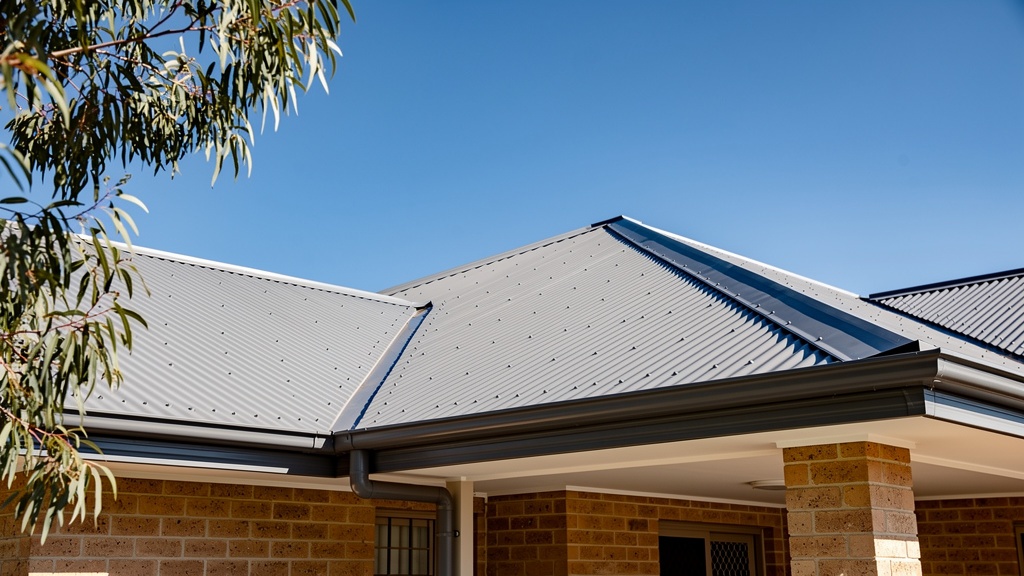
Colorbond roof replacement cost in Sydney typically ranges from $12,000 to $35,000 for a standard residential home, with the final figure shaped by roof size, pitch, existing roof type, and the specific Colorbond profile selected. This guide covers the full picture — what drives the price, what is included in a quality job, and what red flags to watch for when getting quotes.
What Affects the Cost of a Colorbond Roof Replacement in Sydney?
No two roof replacements are identical. The variables below are what separate a $12,000 job from a $30,000+ one on roofs of similar overall size.
Roof area
Roofing is typically priced by the square metre of actual roof surface area, not floor area. A standard three-bedroom brick veneer home in Sydney typically has a roof area of 150-250 square metres of actual surface. The steeper the pitch, the larger the roof surface relative to the floor area below. Most Colorbond replacement quotes work on a rate of $60-$120 per square metre of roof area, with labour and materials included.
Roof pitch
A low-pitch roof (under 15 degrees) is faster and safer to work on. Steep roofs (25 degrees and above) require additional safety equipment, more careful access rigging, and take longer to complete. Expect a pitch premium of $5-$20 per square metre for roofs above 25 degrees, and more for very steep or complex shapes.
Existing roof type being replaced
The type of roof currently on your home has a significant impact on replacement cost:
- Replacing existing Colorbond or corrugated iron — the fastest removal; old sheets come off in large sections and disposal is straightforward. Typically adds $3-$8 per square metre to stripping cost.
- Replacing concrete or terracotta tiles — tiles are heavy and fragile; removal takes longer, and disposal costs are higher due to weight and waste charges. This adds $8-$18 per square metre over sheet removal.
- Re-roofing over existing sheeting (overlay) — some roofers offer overlay without removing the existing roof. This is generally not recommended for Sydney homes due to additional weight load on the structure and the inability to inspect and treat the battens and sarking underneath.
Sarking and insulation
During a full roof replacement, the existing roof sarking (the reflective foil underlay beneath the roof sheeting) is typically replaced. New sarking improves energy efficiency, reduces condensation, and is required under current Australian Standards for new roof installations. Budget $2,000-$5,000 for sarking on a typical Sydney home, depending on roof area and product specification.
Fascia, gutters and downpipes
A roof replacement is the ideal time to replace or upgrade gutters, fascia boards and downpipes. Many Sydney homeowners combine these works to avoid paying for scaffolding and access twice. Gutter replacement in Colorbond typically costs $55-$95 per linear metre including installation. A full gutter replacement on a 4-bedroom home might add $3,000-$6,000 to the total project. See our gutter replacement cost guide for a full breakdown.
Structural repairs to battens and rafters
Once the old roof is stripped, the battens (the horizontal timber strips to which the metal sheets attach) are inspected and replaced where needed. In Sydney’s coastal suburbs, salt air and moisture cause faster deterioration. Batten replacement typically costs $4-$10 per linear metre. Full rafter repairs for structural damage (from termites, rot, or storm impact) are priced separately and can add considerably to the total.
Skylights, ridge vents and flashings
Every penetration through a Colorbond roof — skylights, whirlybirds, ridge vents, solar panels — requires custom flashing work. Poorly executed flashings are the primary cause of roof leaks. Expect to pay $200-$600 per penetration for quality flashing installation. If you are adding a skylight during the replacement, budget an additional $800-$2,000 per unit.
Colorbond Roof Replacement Price Breakdown by Home Type
These estimates include stripping the existing roof, new Colorbond sheeting (standard profile), sarking, batten replacement, ridge capping and flashings, and waste disposal. They do not include gutters or structural repairs unless noted.
| Home type | Approx. roof area | Typical price range (Sydney) |
|---|---|---|
| 2-bedroom cottage (low pitch) | 80-120 sqm | $8,000-$15,000 |
| 3-bedroom brick veneer (standard pitch) | 150-200 sqm | $14,000-$22,000 |
| 4-bedroom home (standard pitch) | 200-280 sqm | $18,000-$28,000 |
| 4-bedroom home (steep or complex) | 200-280 sqm | $24,000-$35,000 |
| Large home or complex hip roof | 280 sqm+ | $28,000-$45,000+ |
| Tile-to-Colorbond conversion add-on | Per sqm | +$8-$18/sqm over standard |
If your existing roof is concrete or terracotta tiles, add the tile removal premium to these figures. For a 200 sqm tile roof, tile removal and disposal might add $3,000-$5,000 to the base cost.
Colorbond Profiles and Their Cost Differences
Colorbond is a brand name (BlueScope Steel’s painted steel product) rather than a single profile. The profile — the shape of the sheeting — affects both aesthetics and pricing:
Corrugated (R-Clad / traditional)
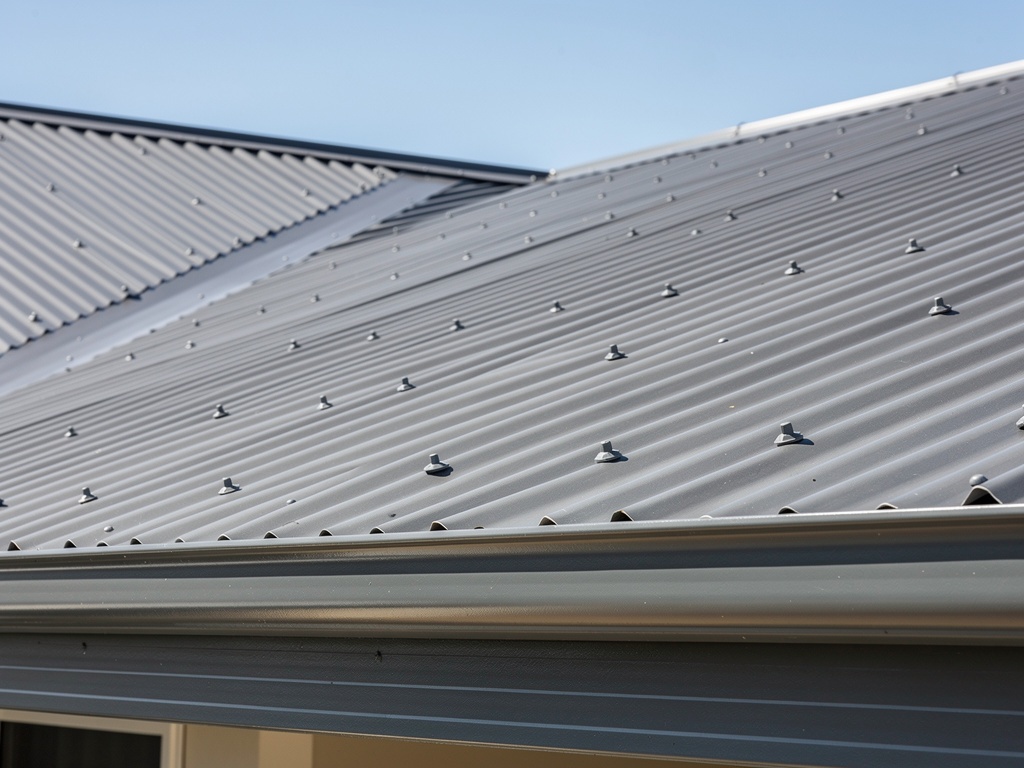
The classic corrugated profile is the most economical and one of the most widely used for residential reroofing in Sydney. It suits cottage-style and Federation-era homes, and is straightforward to work with. Material cost is typically $8-$14 per square metre of sheet.
Trimdek and Spandek
Low-rib profiles with a flatter, more contemporary appearance. Widely used on new builds and modern renovations across Sydney. Slightly higher material cost than corrugated ($10-$16 per sqm), but faster to install on large flat sections.
Longline profiles (Stramit Hi-Ten, Lysaght Klip-Lok)
Standing seam profiles typically used on low-pitch roofs where standard corrugated or Trimdek cannot achieve adequate water shedding. More expensive ($18-$30 per sqm for materials) and require specialist installation. Commonly used on skillion and flat-adjacent roofs on contemporary Sydney homes.
Heritage profiles
For Federation and inter-war homes in heritage overlay areas of Sydney (inner west, north shore, eastern suburbs), council planning rules may specify that the replacement roof must match the heritage profile of the original. Heritage Colorbond profiles are available but carry a premium of $5-$12 per sqm over standard corrugated.
Colorbond Ultra and Coolmax
Colorbond Ultra is a premium coating with enhanced corrosion resistance, specifically recommended for properties within 500 metres of the coast or in areas with high industrial pollution. Given Sydney’s extensive coastline, this product is worth the 10-15% premium for beachside and lower north shore homes. Coolmax colours have enhanced heat-reflecting pigments and can reduce summer heat gain through the roof.
Colorbond vs Tile Roof: Which Is Better Value in Sydney?
The choice between Colorbond and tiles is one of the most common questions Sydney homeowners face when replacing a roof. Here is an honest comparison:
Upfront cost
Colorbond is generally 15-25% cheaper than a like-for-like concrete tile replacement on the same roof. The material is lighter, faster to install, and easier to handle. For a 200 sqm roof, Colorbond might come in at $16,000-$22,000 versus $20,000-$28,000 for concrete tiles. Terracotta tiles carry a further premium due to cost and installation complexity.
Weight and structural load
Concrete tiles weigh roughly 45-55 kg per square metre. Colorbond sheeting weighs 4-5 kg per square metre. For older Sydney homes where the timber roof structure has not been inspected recently, switching from tiles to Colorbond substantially reduces structural load. Some older homes cannot safely re-tile without structural upgrades; Colorbond removes that concern.
Maintenance
Colorbond roofs require very little maintenance beyond gutter cleaning and occasional inspection of flashings. Concrete tiles can lift, crack and grow moss or lichen, requiring periodic repointing, pressure washing, and individual tile replacement. Over a 25-30 year lifespan, Colorbond typically has lower maintenance costs. Learn more about keeping your roof in good condition in our roof leak repair costs Sydney guide.
Appearance and planning constraints
Some Sydney councils and heritage areas require tiles on certain streetscapes or heritage-listed properties. Check with your local council before deciding. In areas without restrictions, Colorbond’s clean lines suit contemporary, Hamptons, and modern Australian architectural styles. The wide range of Colorbond colours (over 20 standard and over 40 total) makes it adaptable to most homes.
Lifespan
BlueScope warrants Colorbond roofing for 25-36 years depending on the product and distance from the coast. Concrete tiles can last 40-50 years if maintained, but cracking and pointing issues typically require attention every 15-20 years. In practice, the total cost of ownership over 30 years is similar between good Colorbond and good concrete tiles on a well-maintained Sydney home.
What Should a Quality Colorbond Roof Quote Include?
A complete, professional roof replacement quote should explicitly cover:
- Strip and dispose of existing roof material (including waste levies)
- Inspection and replacement of damaged battens and sarking
- Supply and installation of specified Colorbond profile and colour
- Ridge capping, hip capping, and all flashing points
- Re-establishment of all roof penetrations (skylights, whirlybirds, vents)
- Site clean-up and waste removal
- Structural assessment report (for tile-to-Colorbond conversions)
- Written warranty covering both materials and workmanship
If a quote does not include sarking or batten inspection, ask specifically whether these are included and at what cost. Quotes that appear cheap often exclude sarking, batten replacement, and ridge capping — which are not optional items on a quality installation.
Insurance and licensing
Always confirm that any roofer you engage holds:
- NSW contractor licence for roof plumbing or building work (check via Service NSW Fair Trading)
- Public liability insurance (minimum $5 million recommended)
- Workers compensation insurance for employees
Uninsured roofers leave you exposed if a worker is injured on your property or if storm damage occurs before the work is fully completed. This is non-negotiable for any reputable trade business. Our roofing services page outlines the credentials all our roofers hold.
How Long Does a Colorbond Roof Replacement Take?
Most residential Colorbond roof replacements in Sydney take 2-5 days for a straightforward job on a standard home. Complex roofs, tile-to-metal conversions, or work combined with structural repairs may take 5-10 days. Factors that extend the timeline include:
- Discovery of significant structural damage after stripping
- Council heritage approval requirements (can add weeks for approval, not the work itself)
- Scaffold access for high or complex roofs
- Weather delays (roofers cannot work safely in rain or high winds)
Your home remains habitable throughout most roof replacements. The roofers will strip and re-sheet in sections, ensuring the structure is never left exposed overnight without temporary weatherproofing if rain is forecast.
If you have noticed signs of roof deterioration — cracked tiles, visible rust spots on existing Colorbond, water marks on ceilings after rain — it is worth getting an inspection now rather than waiting for full failure. Our team provides free roof inspections across Sydney, the Central Coast and Northern NSW. We also cover emergency roof repairs for urgent situations — see our emergency roof repair services page.
Get an Accurate Colorbond Roof Replacement Quote
WSG Group provides free on-site roof assessments and detailed written quotes across Sydney, Central Coast and Northern NSW. Licensed, insured, 1800 186 597.
Get Your Free QuoteFrequently Asked Questions
How much does a Colorbond roof replacement cost in Sydney?
For a standard 3-4 bedroom Sydney home, a Colorbond roof replacement typically costs $14,000-$28,000 including labour, materials, sarking, battens, ridge capping and disposal. Complex roofs, steep pitches, or tile-to-Colorbond conversions push costs higher. Always get a written quote that itemises what is included.
Is it cheaper to replace a tile roof with Colorbond than with new tiles?
Generally yes. Colorbond is typically 15-25% less expensive than a like-for-like concrete tile replacement because the material is lighter and faster to install. The tile removal and disposal cost is the same either way. For older homes, the structural load benefit of Colorbond can also avoid the cost of structural upgrades that heavy tile replacements would require.
Does a Colorbond roof replacement require council approval in Sydney?
In most cases, a like-for-like roof replacement with Colorbond is considered exempt development and does not require council approval. However, homes in heritage conservation areas, or heritage-listed properties, may require approval if the replacement changes the roof profile or colour. Check with your local council before proceeding.
How long does a Colorbond roof last?
BlueScope provides a 25-36 year product warranty on Colorbond roofing, depending on the product and coastal proximity classification. In practice, well-installed Colorbond roofs in Sydney can last 30-40 years with appropriate maintenance of flashings and gutters.
What is the best Colorbond colour for Sydney’s climate?
Lighter colours (Surfmist, Shale Grey, Dune) reflect more summer heat and reduce cooling loads. Darker colours (Monument, Ironstone, Night Sky) absorb more heat and may increase summer cooling costs. Colorbond’s Coolmax technology applies heat-reflective pigments to darker shades, partially mitigating this. For coastal Sydney, Colorbond Ultra in any colour provides enhanced corrosion resistance.
Can I install solar panels on a Colorbond roof?
Yes. Colorbond is compatible with solar panel installations. The type of mounting system used (clamp-based versus penetrating brackets) varies by panel brand and roof profile. Any roof penetrations must be properly flashed to prevent leaks. It is advisable to discuss solar panel plans with your roofer before or during the roof replacement so flashings and mounting points are integrated correctly.
What is the difference between Colorbond and Zincalume?
Zincalume is the bare steel substrate used in Colorbond — the unpainted metallic silver-grey roofing sometimes used in industrial and agricultural buildings. Colorbond has a painted finish baked onto the Zincalume base. For residential use, Colorbond is the correct product choice: it provides colour, additional corrosion protection, and a warranty that Zincalume alone does not include.