

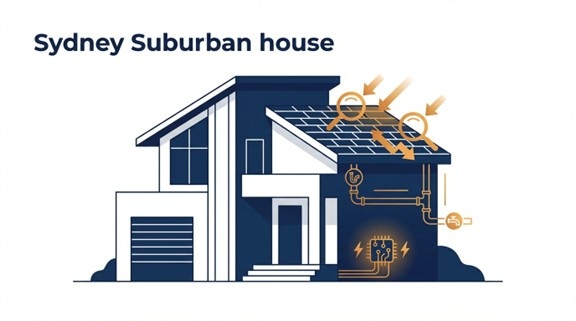
The New Year is here, and for Sydney homeowners, there is no better time to take stock of your property’s essential systems. As we step into 2026, a comprehensive home maintenance checklist can save you thousands of dollars in emergency repairs, protect your family’s safety, and maintain your property’s value in a competitive real estate market.
Sydney’s unique climate presents distinct challenges throughout the year. The intense summer heat puts strain on electrical systems and hot water units, while sudden storms can wreak havoc on roofs and drainage systems. The salty coastal air along the Central Coast accelerates corrosion, and aging infrastructure in many Sydney suburbs requires vigilant monitoring.
This guide provides a room-by-room, system-by-system approach to home maintenance that every Sydney and Central Coast homeowner should follow in 2026. With over 70 years of experience serving local communities, WSG Group has compiled the most critical inspection points that our licensed plumbers, electricians, and roof specialists recommend for keeping your home safe, efficient, and problem-free all year long.
Why a New Year Home Maintenance Checklist Matters for Sydney Properties
Starting the year with a thorough home inspection is not just about ticking boxes. It is about taking a proactive approach that prevents small issues from becoming expensive emergencies. According to the Insurance Council of Australia, water damage from burst pipes and blocked drains remains one of the top insurance claims for Australian homeowners, with average claim costs exceeding $10,000.
Sydney properties face unique pressures that make annual inspections essential. The combination of summer heat, humidity, and occasional severe storms creates a perfect environment for plumbing leaks, electrical faults, and roof damage to develop quickly. Properties in older suburbs like Balmain, Newtown, and Parramatta often have aging infrastructure that requires more frequent attention.
A structured maintenance checklist helps you identify warning signs before they escalate. Catching a minor roof leak early might cost a few hundred dollars to repair, while ignoring it could result in structural damage, mould growth, and repairs running into tens of thousands. The same principle applies to electrical systems, where a small fault today could become a fire hazard tomorrow.
Beyond safety, regular maintenance protects your property’s value. Buyers and inspectors look favourably upon homes with documented maintenance histories, and well-maintained systems operate more efficiently, reducing your energy bills throughout the year.
Essential Plumbing Inspection Points for 2026
Your plumbing system works tirelessly behind the scenes, and the New Year is the perfect time to ensure everything is functioning correctly. Here is what every Sydney homeowner should inspect:
Check All Visible Pipes for Leaks and Corrosion
Inspect under sinks, around toilets, and in the laundry for any signs of moisture, discolouration, or mineral deposits. These often indicate slow leaks that waste water and can cause significant damage over time. Pay particular attention to pipe joints and connections, as these are common failure points.
In older Sydney homes, galvanised steel pipes may show signs of rust or corrosion. If you notice orange or brown staining around pipe connections, it is time to call a professional plumber for a thorough assessment. Modern copper or PEX piping replacements can prevent future problems and improve water quality.
Test Water Pressure Throughout Your Home
Low water pressure can indicate several issues, from partially blocked pipes to problems with the main water supply. Turn on taps in different areas of your home and compare the flow. If you notice significant variations or a general decrease in pressure, there may be a blockage developing in your pipes.
High water pressure, while less noticeable, can actually be more damaging. Pressure exceeding 500 kPa can stress pipe joints, cause premature appliance failure, and increase water consumption. A licensed plumber can install or adjust a pressure limiting valve to protect your system.
Inspect Drains for Slow Drainage
Run water through all your drains and observe how quickly it flows away. Slow drainage is often the first sign of a developing blockage. In Sydney, tree root intrusion is a major cause of blocked drains, particularly in suburbs with established gardens and older sewer lines.
Kitchen drains commonly accumulate grease and food particles, while bathroom drains collect hair and soap residue. Annual professional drain cleaning using high-pressure water jetting can clear these buildups before they cause complete blockages. For persistent issues, a CCTV drain inspection can identify the exact location and cause of the problem.
Examine Your Hot Water System
Your hot water system works harder during winter, but summer is actually the ideal time to service it. Check the temperature and pressure relief valve by lifting the lever briefly. Water should flow freely and stop when you release it. If it continues dripping or fails to release water, the valve needs replacement.
Look for any rust, corrosion, or water pooling around the base of your tank. These signs indicate potential failure that could result in flooding. Most hot water systems last 10 to 15 years, so if yours is approaching this age, consider planning for a replacement. Modern heat pump or solar hot water systems can significantly reduce your energy bills and may qualify for government rebates.
Electrical Safety Checks Every Sydney Homeowner Needs
Electrical systems require careful attention, as faults can pose serious fire and safety risks. While some checks can be done visually, many electrical inspections should be performed by a licensed electrician.
Test Your Safety Switch (RCD)
Every home should have at least one safety switch installed, and NSW regulations require them for all power point circuits. Press the test button on your safety switch. It should trip immediately and cut power to protected circuits. If it fails to trip or takes more than 300 milliseconds, the switch needs replacement.
Safety switches should be tested every three months, but the New Year is an excellent reminder to establish this habit. If your home was built before 1991, you may not have adequate safety switch protection, and an upgrade should be a priority for 2026.
Inspect Your Switchboard
Open your switchboard and look for any signs of burning, discolouration, or unusual smells. These can indicate overloaded circuits or failing components. Check that all circuit breakers are properly labelled so you can quickly identify which areas they control during an emergency.
Older homes with ceramic fuses or rewirable fuses should consider upgrading to modern circuit breakers. These provide better protection, are easier to reset after a trip, and meet current Australian safety standards. A switchboard upgrade also provides an opportunity to add additional circuits if your home has expanded its electrical demands over the years.
Check Power Points and Light Switches
Walk through your home and inspect all power points and light switches. Look for cracks, discolouration, or signs of heat damage. Test each power point by plugging in a lamp or phone charger. If any outlets feel warm to the touch, emit sparks when inserting a plug, or fail to hold plugs securely, they need professional attention.
Flickering lights can indicate loose connections, failing light fittings, or problems in the circuit. Occasional flickering during storms is normal due to grid fluctuations, but persistent flickering warrants investigation by a qualified electrician.
Review Your Smoke Alarm System
NSW legislation requires working smoke alarms on every level of your home and in hallways connecting bedrooms. Press the test button on each alarm to ensure they sound loudly. Replace batteries in battery-powered alarms, even if they appear to be working.
Smoke alarms have a lifespan of approximately 10 years, after which they should be replaced entirely. Check the manufacture date printed on the alarm body. If any alarms are approaching or past this date, plan for replacement. Consider upgrading to interconnected photoelectric alarms, which provide the fastest response to smouldering fires and alert you throughout the entire house.
Roof and Gutter Inspection Essentials
Your roof is your home’s first line of defense against the elements, and Sydney’s weather can be particularly demanding. Regular inspection prevents minor issues from becoming major structural problems.
Visual Roof Inspection from Ground Level
Using binoculars, scan your roof for any obvious damage. Look for cracked, broken, or missing tiles, lifted metal sheeting, or areas where the roof line appears to sag. Check ridge capping for any gaps or lifting, as these are common entry points for water during storms.
Pay attention to the condition of your roof valleys, where two roof sections meet. These areas channel significant amounts of water and are prone to rust in metal roofs or debris accumulation in tiled roofs. Any visible rust staining running down from valleys indicates potential problems that need professional assessment.
Clean and Inspect Gutters and Downpipes
Clear all debris from gutters and downpipes. Leaves, twigs, and sediment accumulate throughout the year and can cause water to overflow during heavy rain. This overflow can damage fascia boards, soffit linings, and even the walls of your home.
Check gutter joints and corners for any signs of rust or separation. Ensure gutters maintain the correct fall toward downpipes. Sagging sections can pool water, accelerating corrosion and adding unnecessary weight to your roof structure. If gutters are more than 20 years old, consider replacement with modern aluminium or colorbond options that resist corrosion.
Check for Signs of Leaks from Inside
Inspect your ceiling and walls for any water stains, bubbling paint, or damp patches. These are tell-tale signs of roof leaks that may not be immediately visible from outside. Check your roof space if accessible, looking for daylight showing through the roof, water staining on rafters, or any signs of mould growth.
In Sydney’s humid climate, even small roof leaks can quickly lead to mould problems that affect air quality and require expensive remediation. Early detection and repair is always more cost-effective than dealing with extensive water damage.
Creating Your Annual Maintenance Schedule
A single New Year inspection is a great start, but the most effective approach is to establish a year-round maintenance schedule. Here is how to structure your inspections throughout 2026:
Summer, from December to February, is the ideal time for comprehensive plumbing checks, as increased water usage reveals hidden problems. Check outdoor taps, irrigation systems, and pool equipment. Have your air conditioning serviced before peak demand.
Autumn, from March to May, is the perfect time to prepare your home for the cooler months ahead. Clean gutters after leaves fall, inspect your roof before winter storms, and have your gas heating system serviced. Check weatherstripping around doors and windows.
Winter, from June to August, is when you should focus on monitoring systems under stress. Check hot water system performance, ensure drainage handles increased rainfall, and watch for any signs of dampness or condensation issues.
Spring, from September to November, is an excellent time to assess any damage from winter and prepare for summer. Have electrical systems checked before air conditioning season, inspect outdoor areas for any storm damage, and service your hot water system before it works hardest in winter.
Keeping a maintenance log helps track when services were performed and when they are due. This documentation is also valuable when selling your home, as it demonstrates responsible ownership to potential buyers.
When to Call a Professional
While some maintenance tasks are suitable for handy homeowners, many require licensed professionals for safety and compliance reasons. Here is when you should definitely call in the experts:
For plumbing, you should call a licensed plumber for any gas-related work, blocked main sewer lines, hot water system repairs or replacement, water leak detection requiring specialist equipment, and backflow prevention device testing.
For electrical work, always call a licensed electrician for any work inside the switchboard, installing new power points or circuits, safety switch installation or testing that reveals faults, and any repairs to fixed wiring.
For roofing, professional roof plumbers should handle any work at height, leak detection and repair, gutter replacement, and any work involving flashing or waterproofing.
Working with licensed professionals ensures the work meets Australian Standards, provides warranty protection, and maintains your insurance coverage. Unlicensed work can void insurance policies and create significant liability issues if problems occur later.
Frequently Asked Questions
Q: How often should I have my home professionally inspected?
A: We recommend a comprehensive professional inspection annually, with additional seasonal checks for specific systems. Properties over 30 years old or those in areas with known issues like tree roots may benefit from more frequent inspections.
Q: What is the most common issue found during home inspections?
A: In Sydney, blocked or slow drains are the most frequently identified issue, often caused by tree root intrusion or accumulated debris. Early detection through CCTV drain inspection can prevent costly emergency repairs.
Q: How much does a typical home maintenance inspection cost?
A: Costs vary depending on the scope of inspection. Many reputable companies, including WSG Group, offer free onsite inspections for specific concerns. Comprehensive multi-system inspections typically range from $200 to $500, but this investment often saves thousands in prevented emergency repairs.
Q: Can I perform electrical inspections myself?
A: Visual inspections such as checking for damaged outlets or testing smoke alarms are safe for homeowners. However, any work involving the switchboard, wiring, or electrical repairs must be performed by a licensed electrician to comply with NSW regulations and maintain safety.
Q: What should I do if I find a problem during my inspection?
A: Document the issue with photos and notes, then contact a licensed professional for assessment. For urgent issues like gas leaks, major water leaks, or electrical hazards, contact an emergency service immediately. WSG Group offers 24/7 emergency assistance for plumbing, electrical, and roofing emergencies.
Q: How can I prepare my home for Sydney’s storm season?
A: Clear gutters and downpipes, trim overhanging branches, check roof for loose tiles or sheets, ensure drainage systems are clear, and know where your main water shut-off valve is located. Consider having a professional inspection before storm season begins.
Start 2026 with Confidence in Your Home’s Systems
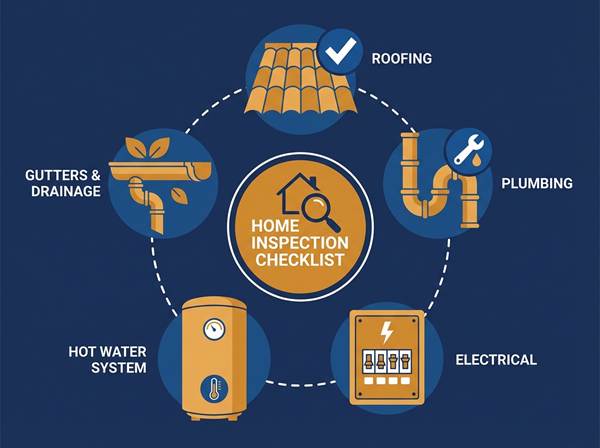
A comprehensive home maintenance checklist is your first step toward a worry-free 2026. By systematically inspecting your plumbing, electrical, roofing, and hot water systems at the start of the year, you position yourself to catch small problems before they become expensive emergencies.
Sydney and Central Coast homeowners face unique challenges from our climate and aging infrastructure, but proactive maintenance ensures your property remains safe, efficient, and valuable. Whether you tackle the visual inspections yourself or engage professionals for thorough assessments, the investment in preventive maintenance always pays dividends.
WSG Group has been helping Sydney families protect their homes since 1947. Our licensed plumbers, electricians, and roof specialists are available 24/7 for inspections, maintenance, and emergency repairs. Contact us today for a free onsite inspection and start your 2026 with complete peace of mind about your home’s essential systems.
Ready to schedule your 2026 home maintenance inspection? Call WSG Group on 1800 186 597 or request your free quote online. With over 70 years of trusted expertise, we are here to keep your home running smoothly all year long.